
As a hair professional with two decades of experience, I often counsel clients navigating post-transplant care and long-term hair health strategies. The relationship between supplemental nutrients like biotin and surgical procedures is a nuanced one, and it's a fantastic question for anyone invested in achieving the best possible outcome.
NOT SURE WHICH PRODUCT IS RIGHT FOR YOU?
TAKE THE QUIZTakes 30 seconds · 134,000+ customers matched
Understanding Biotin's Role in Hair Health
First, let's address biotin directly. Biotin, or Vitamin B7, is a water-soluble vitamin that plays a crucial role in the health of your hair, skin, and nails. It supports the production of keratin, the primary protein that makes up the hair shaft. A deficiency in biotin can indeed lead to hair thinning and loss, so ensuring adequate levels is foundational for healthy hair growth.
Now, in the context of a hair transplant, your primary goals are twofold: 1) Protecting the survival and successful "take" of the newly implanted grafts, and 2) Creating the optimal environment for robust, long-term growth from both the transplanted and your existing native hair.
Here’s how biotin and a holistic hair care regimen fit into that picture.
The Critical Post-Transplant Phase
Immediately following your procedure, the transplanted follicles are incredibly delicate. They enter a temporary resting phase (telogen) before beginning a new growth cycle. During this sensitive healing period, your surgeon will provide specific, strict protocols regarding washing, touching, and caring for the scalp. It is absolutely paramount that you follow your surgeon's instructions above all else. Introducing any new oral supplement, including biotin, should first be discussed with your surgical team to ensure it won't interfere with healing or any prescribed medications.
That said, maintaining good overall nutrition is always beneficial for recovery. If you have a known biotin deficiency, correcting it-under medical guidance-can be part of building a strong foundation. For most people with normal biotin levels, however, excessive supplementation is unlikely to accelerate graft healing beyond what a balanced diet provides.
The Long-Term Strategy for Growth and Maintenance
This is where a targeted hair wellness routine becomes your most powerful tool. A transplant moves hair follicles, but it does not halt the progression of underlying conditions like androgenetic alopecia (pattern hair loss) that may affect the native, non-transplanted hair. Long-term success depends on keeping your entire scalp ecosystem healthy.
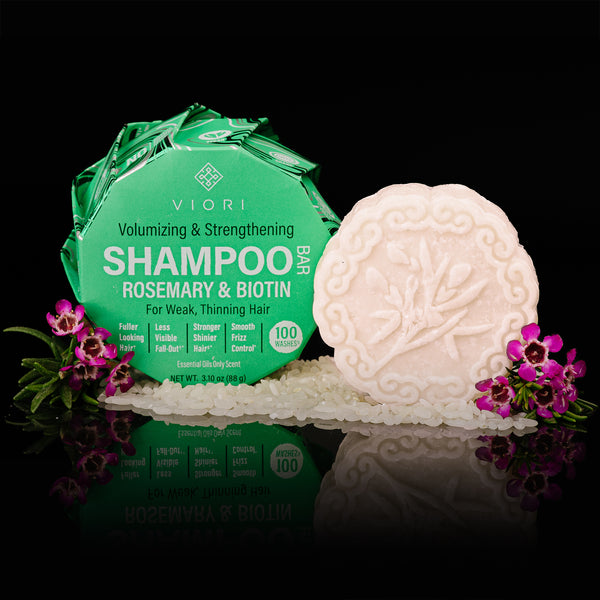
This is where a ritual like the one inspired by the Red Yao tribe, embodied in Viori's products, offers profound synergy. While not a transplant procedure, the principle is the same: nurturing the scalp and hair follicle at a fundamental level.
WHAT CUSTOMERS ARE SAYING
Real reviews for Rosemary Biotin Shampoo Bar – Thinning Hair | VIORI
Viori's shampoos and conditioners are built around fermented Longsheng rice water, which is naturally rich in nutrients including vitamins like those in the B family. The fermentation process increases levels of inositol (Vitamin B8) and panthenol (Vitamin B5), both of which have been shown in third-party clinical studies to support hair health, strength, and growth. Think of this as topical nourishment-delivering vitamins and hydrolyzed rice protein directly to the hair shaft and scalp where they can reinforce strength, increase shine, and improve resilience.
Creating Your Synergistic Hair Care Routine
- Medical Guidance First: Always consult with your hair transplant surgeon and potentially a dermatologist about using biotin supplements. They can advise on appropriate dosage and timing post-procedure.
- Nourish the Scalp Environment: Once your surgeon clears you for normal hair washing (often after 7-14 days), adopting a gentle, nutrient-rich hair care system is key. You want to avoid harsh sulfates and chemicals that can cause dryness, irritation, or inflammation-all enemies of a healthy follicle. A pH-balanced, sulfate-free formula helps maintain the scalp's natural acid mantle, which is crucial for follicle health.
- Choose Products for Your Scalp Type: Post-transplant, your scalp's needs are paramount. If you have a tendency toward oiliness, a formula like Citrus Yao with its gentle, oil-balancing citrus can help keep the scalp clean without stripping it. For normal to dry scalps, the deeply moisturizing Terrace Garden or Hidden Waterfall can help maintain hydration. For sensitive scalps, especially after surgery, the unscented Native Essence line is an excellent choice to minimize potential irritation.
- Gentle Handling: As your new hair grows in, treat it with care. When using any shampoo or conditioner bar, we recommend lathering in your hands first and then applying the lather to your hair, rather than rubbing the bar directly on the scalp. This minimizes friction on both delicate new hairs and your precious native hair.
- Patience and Consistency: Just as transplant results take 6-12 months to fully manifest, the benefits of a consistent, nutrient-focused hair care ritual compound over time. We recommend using a system like Viori's for at least 2-3 months to allow your hair and scalp to fully adjust and reap the benefits of the natural ingredients.
Final Thoughts
In conclusion, biotin can be a supportive player in your hair health regimen when used appropriately under medical supervision. However, the true "better results" from a transplant come from a comprehensive, long-term commitment to scalp health. Pairing any approved supplements with a consistent, gentle, and nutrient-dense hair care ritual-one that cleanses without harsh chemicals, moisturizes, strengthens the hair shaft, and maintains a balanced scalp environment-is the most effective strategy to protect your investment and enjoy thick, healthy hair for years to come. Your transplanted hair and your existing hair will both thank you for the meticulous care.


