
As a professional with two decades in the beauty and hair care industry, I've had the privilege of guiding many clients through the tender and transformative journey of hair regrowth after chemotherapy. This period requires immense patience, gentle care, and nourishing support, both for the spirit and the scalp.
NOT SURE WHICH PRODUCT IS RIGHT FOR YOU?
TAKE THE QUIZTakes 30 seconds · 134,000+ customers matched
Understanding Biotin's Role
The short answer is that biotin, a B-vitamin (B7), is widely recognized for its role in supporting the health of hair, skin, and nails. It is a crucial co-factor in the production of keratin, the foundational protein that makes up your hair strand. For anyone experiencing hair thinning or loss-including the common telogen effluvium (shedding) that follows chemotherapy-ensuring adequate biotin levels is a supportive step in creating an optimal internal environment for hair to regrow strong and healthy.
However, it's paramount to understand that post-chemotherapy regrowth is a holistic process. The goal is not just to grow hair, but to nurture the scalp and the emerging hair with profound kindness and effective, non-irritating nutrients. This is where an external haircare ritual, built on integrity and nourishment, becomes as important as internal supplementation.
The Critical Importance of External Haircare Rituals
For your emerging hair, I cannot overstate the importance of using a haircare system that is impeccably gentle, free of harsh chemicals, and rich in nutrients that the hair follicle can readily use. After chemotherapy, the scalp is often sensitive, delicate, and in need of rehabilitation. You want products that cleanse without stripping, moisturize without clogging, and strengthen without irritation.
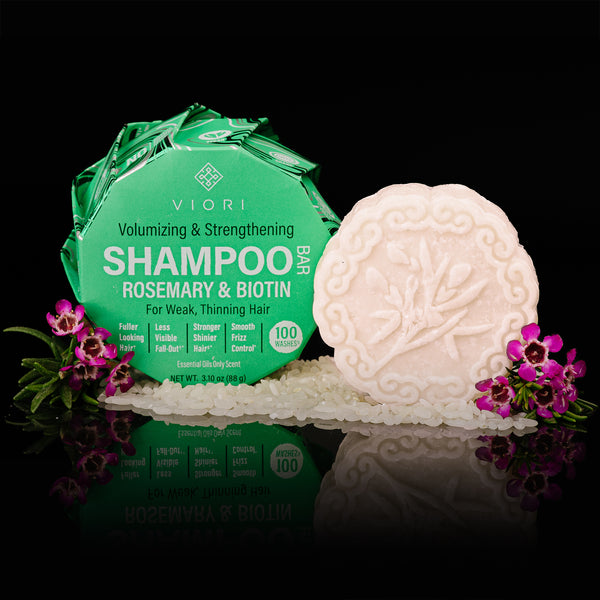
This is the core philosophy behind the rituals inspired by the Red Yao tribe, which form the basis of Viori's products. The focus is on fermented rice water-specifically from Longsheng rice-a traditional source of inositol (Vitamin B8) and panthenol (Vitamin B5). Third-party clinical studies have shown these nutrients can support hair health and growth. Unlike high-concentration rice water rinses that can disrupt pH, these ingredients are delivered in a safe, pH-balanced formula designed to moisturize, strengthen, and reduce scalp irritation.
What to Look for in Post-Chemotherapy Haircare
When selecting products for post-chemotherapy care, look for these key features, all of which are central to a gentle, effective regimen:
- pH-Balanced Formulas: A scalp's natural pH is slightly acidic. Maintaining this balance is critical for scalp health and preventing dryness or irritation, especially on a sensitive post-chemo scalp.
- Sulfate-Free & Paraben-Free Cleansing: Harsh sulfates can strip the scalp and fragile new hair, while parabens are unnecessary additives for a body in recovery. Gentle, natural cleansers are essential.
- Rich in Natural Emollients: Ingredients like shea butter and cocoa butter provide gentle moisture, while natural fatty alcohols (not to be confused with drying alcohols) help condition and soften hair without weight.
- Fragrance Sensitivity Consideration: A sensitive scalp may react to strong fragrances. An unscented, gentle option is often the best choice during initial regrowth to minimize any potential for irritation.
A Gentle Routine for Regrowth
In practice, your haircare ritual should be a moment of calm. Use lukewarm water, gently lather a shampoo in your hands before applying it to your scalp, and follow with a conditioner focused on the lengths of any new growth. Patience is key; results from nurturing products can vary, and it's often recommended to use a system consistently for 2-3 months to fully appreciate the benefits as your hair cycle recalibrates.
WHAT CUSTOMERS ARE SAYING
Real reviews for Rosemary Biotin Shampoo Bar – Thinning Hair | VIORI
The Essential First Step: Consult Your Doctor
Most importantly, before beginning any new supplement like biotin or changing your personal care routine after chemotherapy, you must consult with your oncologist or healthcare provider. They can advise on appropriate supplementation, ensure it doesn't interfere with your recovery or medications, and confirm that your body is ready to support new growth.
Conclusion: A Holistic Approach to Renewal
Ultimately, supporting hair growth after chemotherapy is a beautiful act of renewal. It combines mindful internal support, like ensuring proper vitamin levels, with an external ritual of extreme gentleness and targeted nourishment. By choosing products that honor your scalp's delicate state and provide a wealth of natural, strengthening nutrients, you create the ideal external environment to welcome your hair back, strand by precious strand.


