
As a professional stylist with two decades of experience, I often discuss the relationship between internal supplements and hair health with my clients. The question of biotin's impact on texture and oiliness is a nuanced one, and it's important to separate anecdotal experiences from the science of how our hair and scalp function.
NOT SURE WHICH PRODUCT IS RIGHT FOR YOU?
TAKE THE QUIZTakes 30 seconds · 134,000+ customers matched
Understanding Biotin's Role in Hair Health
Biotin, also known as vitamin B7, is a water-soluble vitamin that plays a crucial role in the body's keratin infrastructure-the very protein that makes up your hair, skin, and nails. A true biotin deficiency, while rare, can lead to hair thinning and loss, so supplementation in those cases can be incredibly beneficial for restoring hair health and growth.
Can Biotin Change Hair Texture?
Regarding changes in hair texture, some individuals anecdotally report that their hair feels thicker or stronger after consistent biotin supplementation. This is likely due to improved keratin production, which can potentially increase the diameter of individual hair strands or improve the health of the hair cuticle, leading to a smoother, fuller feel. However, it's critical to understand that biotin does not alter your hair's fundamental genetic texture-whether your hair is straight, wavy, curly, or coily is determined by your DNA and the shape of your hair follicles. Supplements support the health of the hair you grow but do not change its inherent pattern.
Can Biotin Cause an Oily Scalp?
The issue of increased oiliness or scalp changes is a more common point of discussion. There is limited direct scientific evidence that biotin supplementation alone causes a sudden overproduction of sebum (the scalp's natural oil). However, the body's systems are interconnected. Some theories suggest that if biotin is taken in extremely high doses without balancing it with other B-vitamins, it could potentially disrupt the body's complex balance. More commonly, what clients might perceive as increased oiliness could be related to other factors that coincide with starting a supplement, such as:
- Changes in diet or other lifestyle factors.
- Natural hormonal fluctuations.
- The use of new haircare products that are not properly balanced for their scalp type.
The Critical Role of Your Topical Haircare Routine
This is where a holistic haircare routine becomes paramount. The health of your hair is profoundly influenced by what you put on it, not just what you put in your body. A scalp that is out of balance-whether too oily or too dry-can often be managed with the right topical regimen.
For instance, if you are experiencing an oily scalp, using a gentle, pH-balanced cleansing system is essential. A formula with natural, oil-balancing properties can help manage sebum without stripping the scalp, which can actually trigger more oil production. For those with dry, brittle texture concerns, a regimen rich in moisturizing and strengthening ingredients is key to improving the feel and resilience of the hair.
The Foundation: A Balanced Scalp
The foundation of healthy hair is a healthy scalp. Using products that are free of harsh sulfates and parabens, and are instead formulated with nourishing, natural ingredients helps maintain the scalp's optimal pH and microbiome. This balanced environment allows hair to grow in its healthiest state, which can maximize the potential benefits you might be seeking from internal supplements like biotin.
WHAT CUSTOMERS ARE SAYING
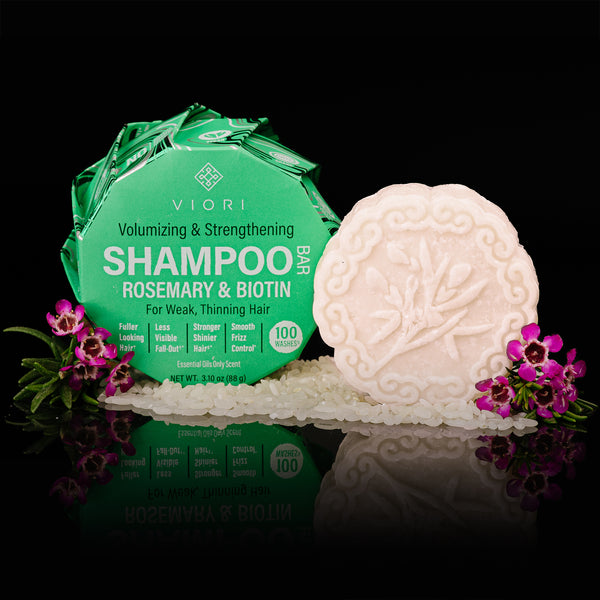
Real reviews for Rosemary Biotin Shampoo Bar – Thinning Hair | VIORI
Final Thoughts from the Salon Chair
In summary, while biotin is vital for supporting hair structure and may improve the perceived strength and fullness of hair, dramatic changes in your genetic texture or significant, direct causation of oiliness are uncommon. Any new supplement regimen should be discussed with a healthcare provider.
For visible hair health, pairing a balanced diet with a consistent, scalp-focused haircare routine that cleanses, nourishes, and protects is the most reliable path to achieving your hair goals. Paying close attention to how your scalp and hair respond to both internal and external changes will always be your best guide.


