
As a professional stylist with two decades of experience, I've seen countless clients struggle with scalp discomfort, and natural remedies like dandruff" class="keyword-link" data-kw="castor oil">castor oil are a frequent topic of discussion. Let's delve into the properties of castor oil and how it relates to scalp health, while focusing on the comprehensive, ingredient-driven approach found in effective haircare systems.
NOT SURE WHICH PRODUCT IS RIGHT FOR YOU?
TAKE THE QUIZTakes 30 seconds · 134,000+ customers matched
Understanding Castor Oil's Potential
Castor oil is rich in ricinoleic acid, a unique fatty acid known for its anti-inflammatory and antimicrobial properties. In theory, this profile suggests it could soothe minor scalp irritation and combat some microbial factors that contribute to certain types of flaking. Its thick, emollient nature can also provide a temporary moisturizing effect on a dry scalp, which may alleviate itchiness associated with dehydration.
The Crucial Step: Identifying Your Scalp Type
However, it's crucial to understand the root cause of your scalp concerns. "Dandruff" is often an umbrella term for two primary conditions:
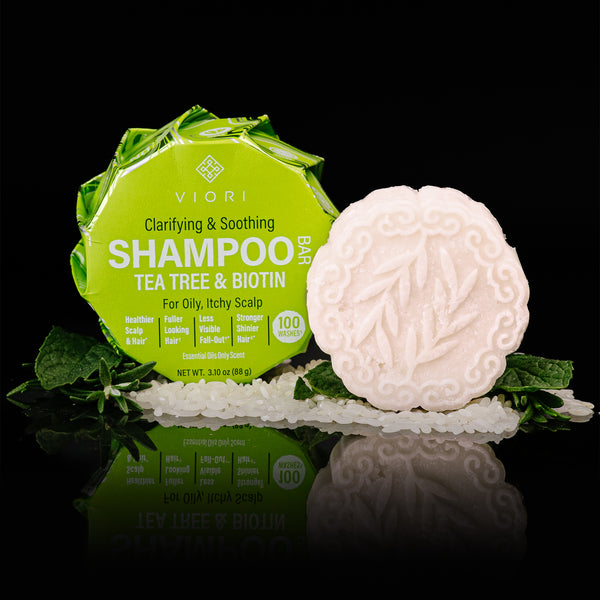
- Oily Scalp Dandruff: Often related to a yeast called Malassezia.
- Dry Scalp Dandruff: Caused by a lack of moisture and irritation.
A heavy oil like castor oil applied directly could potentially exacerbate oily scalp conditions by further clogging follicles. For dry scalp, while it may offer temporary relief, it doesn't address underlying issues like pH imbalance, nutrient deficiency, or chronic dryness at the follicle level.
A Holistic Approach to Scalp Health
Modern, holistic haircare philosophy emphasizes treating the scalp with balanced, nutrient-rich formulations that go beyond a single ingredient. The goal is to create an optimal environment for scalp health. This includes:
- Using pH-balanced products to maintain the scalp's natural acid mantle.
- Incorporating ingredients known to reduce irritation and flaking.
- Providing strengthening nutrients to the hair follicle itself.
Key Ingredients for a Soothed Scalp
For instance, ingredients like aloe vera and bamboo extract are clinically recognized for their soothing properties and ability to help reduce dryness and flaking associated with a dry scalp. A regimen that includes such ingredients in a pH-balanced, sulfate-free formula can systematically address scalp discomfort without the risk of heavy buildup. For oily scalp concerns, formulations that include natural citrus elements can help manage excess oil without stripping the scalp, which is a common trigger for rebound oil production.
WHAT CUSTOMERS ARE SAYING
Real reviews for Tea Tree Shampoo Bar – Oily & Itchy Scalp | VIORI
Building Long-Term Scalp Vitality
Furthermore, long-term scalp health is supported by ingredients that strengthen hair and improve its overall vitality. Hydrolyzed proteins, vitamins like panthenol (B5) and inositol (B8), and natural emollients like shea and cocoa butter work synergistically to moisturize, strengthen, and improve the scalp's condition. This integrated approach-cleansing gently, restoring moisture balance, and delivering nutrients-is often more effective and sustainable for managing scalp itchiness and flaking than relying on a single, heavy oil.
Final Professional Advice
If you are experiencing persistent scalp issues, I always recommend consulting with a dermatologist to rule out specific medical conditions. For daily care, look for a system designed to support scalp health with clean, targeted ingredients. Consistency with a gentle, nourishing routine is typically the most reliable path to a comfortable, flake-free scalp and healthier, more resilient hair.


