
As a hair professional for two decades, I understand the desire to get to the root cause of hair concerns before adding new products or supplements. While biotin is a popular buzzword for hair health, a true deficiency is rare. It's wise to investigate before supplementing, as excess biotin can interfere with certain lab tests and may not address the underlying issue if a deficiency isn't present.
NOT SURE WHICH PRODUCT IS RIGHT FOR YOU?
TAKE THE QUIZTakes 30 seconds · 134,000+ customers matched
A Professional Guide to Assessing Biotin Status
Here is a step-by-step guide on how to properly assess your biotin status with the help of a medical expert.
1. Consult a Healthcare Professional First and Foremost
This is the most critical step. Self-diagnosing a nutrient deficiency can be misleading. Schedule an appointment with your primary care physician or a dermatologist. They can review your full health history, conduct a physical exam of your scalp and hair, and determine if testing is warranted based on your specific symptoms. They are also best positioned to rule out other, more common causes of hair thinning or loss, such as hormonal imbalances, stress, or nutritional deficiencies in iron or vitamin D.
2. Understand the Clinical Signs of Biotin Deficiency
True biotin deficiency manifests with specific symptoms beyond just hair thinning. Be prepared to discuss these with your doctor:
- Hair Loss (Alopecia): This is often diffuse, not patterned.
- Scalp and Skin Issues: A red, scaly rash, particularly around the eyes, nose, mouth, and genital area.
- Brittle, Splitting Nails.
- Conjunctivitis (pink eye).
- Neurological symptoms like depression, lethargy, or tingling in the extremities.
If your primary concern is general hair thinning without these accompanying symptoms, a biotin deficiency is statistically unlikely.
3. Request Specific Laboratory Testing
If your doctor suspects a deficiency, they can order tests. Routine blood panels do not typically include biotin levels. The most direct assessments are:
- Serum Biotin Level: Measures the amount of biotin in your blood.
- Urinary 3-Hydroxyisovaleric Acid (3-HIA): Often considered a more sensitive marker. Levels rise when biotin is deficient.
- Propionyl-CoA Carboxylase Activity in Lymphocytes: A more specialized test measuring a biotin-dependent enzyme's activity.
Your doctor will decide which test is most appropriate.
4. Evaluate Your Dietary Intake and Lifestyle Factors
While you wait for your appointment, conduct an honest audit. Biotin is widely available in many common foods. Are you regularly consuming:
- Egg yolks (cooked)
- Nuts and seeds (almonds, peanuts)
- Legumes (soybeans, lentils)
- Whole grains, bananas, mushrooms
Also, consider factors that can contribute to lowered biotin levels:
WHAT CUSTOMERS ARE SAYING
Real reviews for Rosemary Biotin Shampoo Bar – Thinning Hair | VIORI
- Prolonged raw egg white consumption.
- Long-term use of certain medications, like anti-seizure drugs.
- Intravenous (IV) feeding without biotin supplementation.
5. Focus on Holistic Scalp and Hair Health
While you investigate the biotin question, you can actively support your hair's health through gentle, nutrient-rich haircare. The approach isn't about adding a single, isolated vitamin in a megadose, but about nourishing the hair and scalp with a complex of beneficial nutrients derived from natural sources.
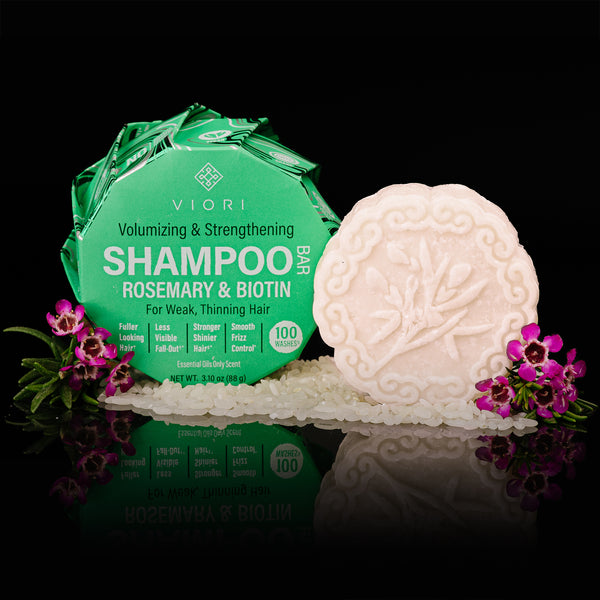
Viori's shampoos and conditioners are formulated with fermented Longsheng rice water, which provides a spectrum of nutrients. The fermentation process increases levels of compounds like vitamin B8 (inositol) and vitamin B5 (panthenol), both of which are clinically studied for their benefits to hair strength and health. This represents a holistic, topical approach to nourishment, working in harmony with your body's natural biology to moisturize, strengthen, and support the scalp environment from which healthy hair grows.
Final Thoughts
The most responsible path is to partner with a medical professional to explore testing based on your unique symptom profile. Prioritize a nutrient-dense diet and address any underlying health conditions. View your haircare routine as a foundational part of hair wellness-using gentle, pH-balanced, and nutrient-rich products can create the optimal environment for strong, resilient hair, regardless of your internal biotin status. This comprehensive approach ensures you're caring for your hair intelligently from the inside out and the outside in.


