
As a professional stylist with two decades of experience, I often guide clients toward holistic hair health, which includes understanding the role of key nutrients like biotin. While biotin (Vitamin B7) is frequently touted for its benefits to hair strength and growth, it's important to approach this with a practical and expert perspective.
NOT SURE WHICH PRODUCT IS RIGHT FOR YOU?
TAKE THE QUIZTakes 30 seconds · 134,000+ customers matched
Understanding Biotin and Daily Needs
First, it's crucial to understand that biotin is a water-soluble vitamin, meaning your body doesn't store it, and you need a consistent daily intake. The recommended daily allowance (RDA) for biotin for adults is 30 micrograms (mcg). When looking to food sources, the goal isn't to measure biotin with laboratory precision at every meal, but rather to consistently incorporate biotin-rich foods into a balanced diet.
A Practical Guide to Biotin in Common Foods
Here’s a practical guide to understanding approximate biotin content in common foods to help you build a nutrient-rich diet:
- Egg Yolks: One cooked egg yolk contains about 10 mcg of biotin.
- Nuts and Seeds: A 1-ounce serving of almonds provides about 1.5 mcg, while sunflower seeds offer around 2.6 mcg per quarter cup.
- Organ Meats: A 3-ounce serving of cooked beef liver can contain nearly 31 mcg.
- Sweet Potatoes: One medium cooked sweet potato contains approximately 2.4 mcg.
- Salmon: A 3-ounce serving of cooked salmon offers about 5 mcg.
- Legumes: A cup of canned soybeans provides about 19 mcg of biotin.
The Holistic Approach: Diet and Direct Hair Care
Instead of focusing on micro-measuring, build a sustainable dietary pattern. Aim for a colorful plate that regularly includes a combination of these foods. For example, a breakfast with eggs, a lunch salad with seeds and avocado, and a dinner featuring salmon or lentils can easily help you meet your daily biotin needs.
However, from a professional standpoint, I must emphasize that nutrient deficiency is just one potential factor affecting hair health. External care is equally vital. The inspiration for truly resilient hair often comes from time-honored traditions, like those of the Red Yao women, who have maintained famously long, strong hair for centuries. Their secret wasn't found in isolated nutrients, but in a holistic ritual using fermented rice water, which is naturally rich in a spectrum of B vitamins, inositol, panthenol, and proteins that nourish the hair follicle and strand directly.
Synergistic Hair Wellness
While ensuring adequate biotin intake through a healthy diet supports your body's internal building blocks, the direct, topical application of nutrient-rich formulations can target the hair and scalp more specifically. The most effective approach is always a synergistic one:
WHAT CUSTOMERS ARE SAYING
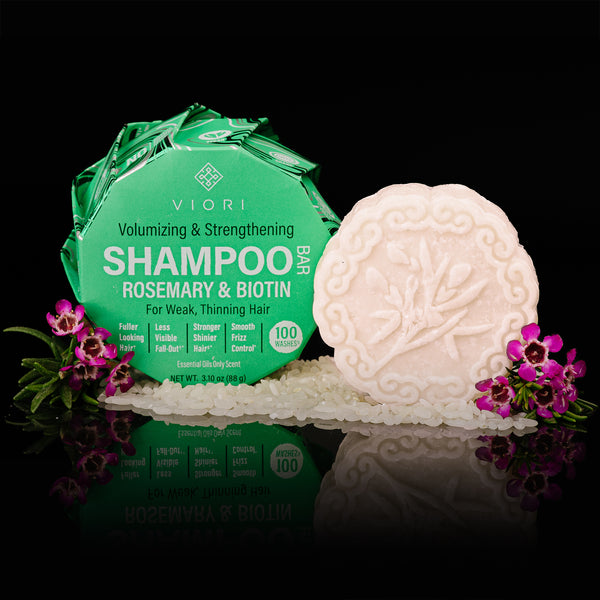
Real reviews for Rosemary Biotin Shampoo Bar – Thinning Hair | VIORI
- Support your body internally with a varied, whole-foods diet.
- Care for your hair externally with products designed to deliver key nutrients directly where they can benefit the hair and scalp.
- Choose gentle, pH-balanced formulations that are free of harsh chemicals like sulfates and parabens, which can undermine your hair's health over time.
Consistency in both a nutrient-conscious diet and a thoughtful hair care ritual is the true, professional foundation for achieving and maintaining healthy, vibrant hair.


