
Deciding to stop taking biotin supplements is a significant step in your hair care journey, and doing so safely is paramount to maintaining the health and balance you've worked to achieve. As a professional with two decades of experience, I advise that the process is less about the supplement itself and more about seamlessly transitioning your hair's nutritional support to a consistent, topical, and holistic regimen.
NOT SURE WHICH PRODUCT IS RIGHT FOR YOU?
TAKE THE QUIZTakes 30 seconds · 134,000+ customers matched
Step 1: Consult Your Healthcare Provider
This is your essential first step. Your doctor or a qualified nutritionist understands your personal health history and can provide tailored advice on tapering off any supplement. They can also check for any underlying nutritional deficiencies that need to be addressed through diet, ensuring your body's foundation for healthy hair growth remains solid.
Step 2: Establish a Nutrient-Dense Topical Routine First
The core strategy is to ensure your hair follicles do not experience a sudden drop in supportive nutrients. Begin implementing a powerful, topical hair care ritual before you start to reduce your biotin intake. This gives your hair and scalp time to adjust and absorb benefits directly from the source.
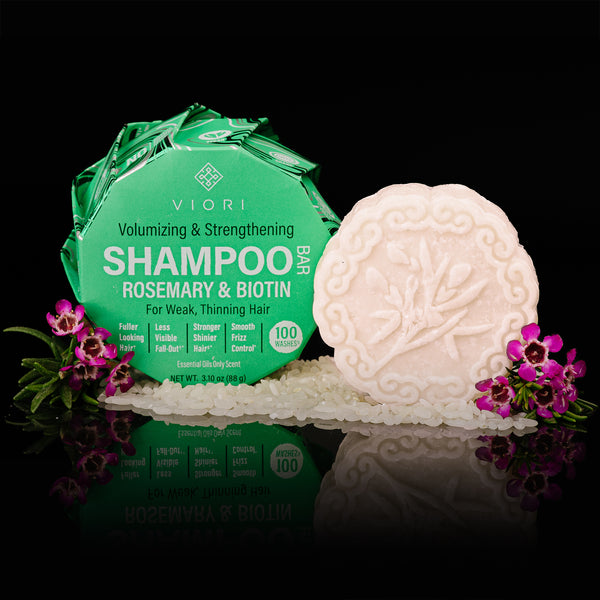
Look for a shampoo and conditioner system designed to deliver key vitamins, proteins, and moisture directly to the follicle and hair shaft. An effective regimen should include ingredients like:
- Hydrolyzed Rice Protein: Protein is the building block of hair (keratin). This topical protein can help fortify the hair shaft, improve elasticity, and reduce breakage, which is crucial for maintaining growth and thickness.
- Panthenol (Vitamin B5) & Inositol (Vitamin B8): Often derived from fermented ingredients, these vitamins can penetrate the hair and scalp. Panthenol attracts moisture to improve hydration and shine, while inositol helps support the follicle environment.
- Natural Emollients: Ingredients like shea butter, cocoa butter, and plant oils provide essential fatty acids, seal the hair cuticle, and protect from environmental stress that leads to breakage.
By adopting such a routine, you are effectively "feeding" your hair topically what it was receiving internally, creating a safety net during the transition.
Step 3: Support Hair Health from the Inside Out
As you transition, bolster your overall health, which is directly reflected in your hair.
WHAT CUSTOMERS ARE SAYING
Real reviews for Rosemary Biotin Shampoo Bar – Thinning Hair | VIORI
- Focus on Diet: Incorporate whole foods rich in biotin and other hair-supportive nutrients, such as eggs, nuts, seeds, salmon, sweet potatoes, and avocados.
- Practice Gentle Handling: Use a wide-tooth comb on wet hair, minimize heat styling, and protect hair at night with a silk or satin pillowcase to prevent mechanical breakage.
- Prioritize Scalp Care: A healthy scalp is the bedrock of healthy hair. Massage your scalp during washing to stimulate circulation, and ensure your cleanser is gentle and non-stripping.
Step 4: Manage Expectations with Patience
Hair growth cycles are slow, typically lasting 2-3 months. It will take time for your hair to fully respond to the new topical regimen. Consistency is your greatest ally. Avoid the temptation to switch products frequently. Some individuals may notice a temporary adjustment period, but a dedicated, nutrient-rich routine will help your hair maintain its strength, shine, and resilience.
Final Thoughts
Safely stopping biotin involves a strategic shift from internal supplementation to unwavering external nourishment and holistic self-care. By partnering with your doctor, preemptively establishing a consistent ritual with protein- and vitamin-rich hair products, and supporting your body's overall wellness, you can navigate this transition smoothly. This approach empowers you to continue cultivating strong, healthy, and beautiful hair with confidence.


