
As a professional stylist with two decades of experience, I often discuss how internal nutrients and external care work in tandem for hair health. Biotin, or vitamin B7, is a frequent topic of conversation. While it's widely celebrated for its role in supporting hair growth and strength, its direct, mechanical effect on hair porosity and moisture retention is more nuanced than often portrayed.
NOT SURE WHICH PRODUCT IS RIGHT FOR YOU?
TAKE THE QUIZTakes 30 seconds · 134,000+ customers matched
Understanding Hair Porosity
First, let's clarify what we mean by hair porosity. This refers to your hair's ability to absorb and retain moisture, determined by the condition of the hair's outer cuticle layer. Low-porosity hair has tightly bound cuticles that resist moisture absorption, while high-porosity hair has raised or damaged cuticles that absorb moisture quickly but lose it just as fast.
Biotin's Role: Internal Support for External Structure
Biotin's primary function is internal. It is a crucial coenzyme in the body that aids in the metabolism of amino acids, the building blocks of the keratin protein that makes up your hair, skin, and nails. By supporting the foundational health and structure of the keratin being produced at the follicle level, biotin can contribute to the formation of stronger, more resilient hair strands as they grow.
Here’s how this foundational support indirectly influences porosity and moisture over time:
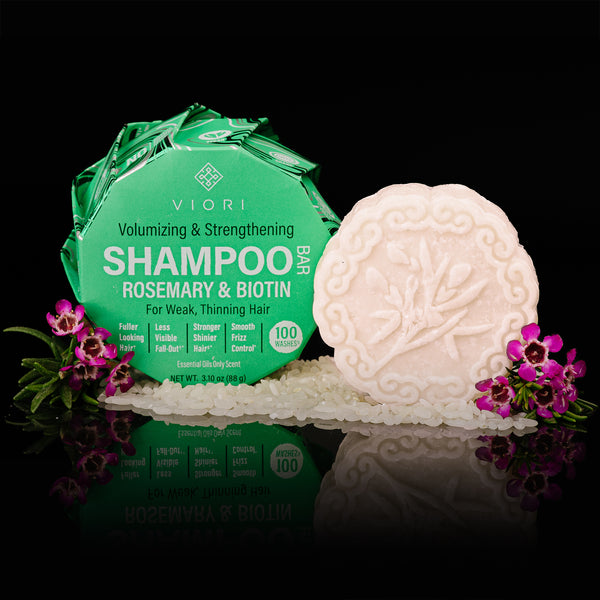
- Strengthening the Cuticle: Think of each hair strand as a shingled roof. Biotin supports the production of strong, well-formed "shingles" (cuticles). When new hair grows in with a more intact and smoother cuticle layer, it is inherently better at regulating moisture. This means it's less prone to the excessive swelling and rapid drying that characterizes high-porosity, damaged hair. It's not that biotin "lowers" porosity; it supports the growth of hair that may start with a healthier, more normal porosity profile.
- Improving Elasticity and Reducing Breakage: Weak, brittle hair is more susceptible to cuticle damage from brushing, styling, and environmental stress. This damage is what increases porosity. By contributing to overall hair strength and elasticity, biotin can help hair better withstand daily wear and tear, thereby preserving the cuticle's integrity and its ability to retain moisture over the hair's lifespan.
- Supporting Scalp Health: A healthy scalp environment is essential for growing healthy hair. Biotin plays a role in skin cell metabolism, and a deficiency can be linked to scalp issues. While topical biotin in haircare is debated for its efficacy, ensuring your body has adequate levels supports the foundation from which your hair grows.
The Critical Synergy: Internal Support Meets External Care
While biotin works from within, managing porosity and locking in moisture is achieved through your topical haircare regimen. This is where a thoughtful, ingredient-conscious routine becomes essential. Hair that is nourished from the inside needs to be protected and maintained on the outside.
For hair that tends toward high porosity (dry, frizzy, quick to absorb water but quick to dry), the goal is to provide intense moisture and sealing ingredients. Formulas rich in emollients like shea butter, cocoa butter, and plant-based fatty alcohols are key. These ingredients help fill in gaps in the cuticle, smooth the hair shaft, and create a barrier to lock hydration in. Using a pH-balanced conditioner is non-negotiable, as it helps close the cuticle after cleansing, sealing the shaft.
For low-porosity hair (products tend to sit on top, hair resists moisture), the focus is on lightweight, hydrating ingredients that won't cause buildup. Gentle cleansers and conditioners with humectants can attract moisture without overwhelming the tight cuticle layer.
WHAT CUSTOMERS ARE SAYING
Real reviews for Rosemary Biotin Shampoo Bar – Thinning Hair | VIORI
The Professional Verdict
Biotin is a valuable supporter of hair's structural health at the cellular level, which can lead to the growth of hair that is more resilient against porosity-increasing damage. However, it is not a direct treatment for altering the porosity of existing hair strands. For that, you need a targeted, external haircare ritual.
The most powerful approach is always holistic: support your hair's growth and strength from within through good nutrition and potentially supplements like biotin if needed, and then protect that investment with an external regimen that respects your hair's porosity level. Choose products that are pH-balanced, free of harsh sulfates, and rich in natural moisturizers and proteins to work in harmony with your body's own efforts, ensuring every strand from root to tip is as healthy and hydrated as it can be.


