
As a hair professional with two decades of experience, I've witnessed firsthand how our hair's needs evolve dramatically throughout our lives. The relationship between biotin-a B vitamin often touted for hair health-and hair growth is a nuanced topic, especially during significant hormonal shifts like menopause. Let's break down the science and practical application.
NOT SURE WHICH PRODUCT IS RIGHT FOR YOU?
TAKE THE QUIZTakes 30 seconds · 134,000+ customers matched
The Foundational Role of Biotin
Biotin, also known as Vitamin B7 or Vitamin H, plays a crucial role in the body's keratin infrastructure. Keratin is the foundational protein that makes up your hair, skin, and nails. Biotin acts as a coenzyme, assisting in the metabolic processes that convert certain nutrients into energy and aiding in the synthesis of this vital protein. In essence, it supports the very building blocks of your hair strand.
During periods of stability, adequate biotin levels contribute to maintaining hair strength, reducing brittleness, and supporting the natural growth cycle. However, its impact must be understood in context. A true biotin deficiency is rare, but when it occurs-often due to certain medical conditions, prolonged antibiotic use, or specific dietary restrictions-it can lead to significant hair thinning and loss. For the general population not experiencing a deficiency, increased biotin intake may not necessarily translate to faster or thicker hair growth, as the body simply excretes what it doesn't use.
Biotin and the Menopausal Transition: A Shift in Context
The conversation becomes particularly critical during life stages marked by hormonal upheaval, such as menopause. Here’s why:
Menopause triggers a profound decline in estrogen and progesterone. These hormones are deeply supportive of hair growth; they prolong the anagen (growth) phase of the hair cycle and help keep hair thick and healthy. As they diminish, the relative influence of androgens can increase. This shift can shorten the growth cycle, lead to follicle miniaturization, and result in the hair thinning and loss many women experience.
During this stage, biotin's role is one of supportive nourishment, not a hormonal intervention. It cannot replace estrogen or halt the hormonal process. However, by ensuring optimal keratin production and supporting scalp health, adequate biotin can help maximize the quality, strength, and resilience of the hair you do grow. It's about fortifying the hair shaft to prevent breakage and maintain integrity when the hair may be more vulnerable due to hormonal changes. Think of it as providing the best possible building materials during a challenging construction period.
The Holistic Approach: Beyond a Single Vitamin
It's also vital to adopt a holistic haircare regimen that addresses the specific needs of mature hair and a changing scalp. This is where the philosophy behind nutrient-focused haircare becomes incredibly relevant. The goal is scalp-supportive care that works in harmony with your body's changes.
For instance, using products built on nutrient-rich foundations is key. Ingredients like fermented rice water are naturally rich in vitamins and minerals that support hair health. Through a unique fermentation process, the levels of beneficial compounds like inositol (Vitamin B8) and panthenol (a provitamin of B5) are increased. These ingredients are known for their ability to strengthen hair, improve elasticity, and support a healthy scalp environment. For hair experiencing changes during menopause, this kind of gentle, fortifying nourishment is essential. A healthy scalp is the foundation for any hair growth, and using pH-balanced, sulfate-free formulas helps maintain that foundation without stripping delicate strands.
Furthermore, selecting the right product for your changing scalp type is crucial. During and after menopause, many women find their scalp becomes drier or more sensitive. In these cases, deeply moisturizing and fragrance-sensitive options can be excellent choices, delivering strengthening benefits while focusing on hydration and gentle care for a scalp that may need extra comfort.
WHAT CUSTOMERS ARE SAYING
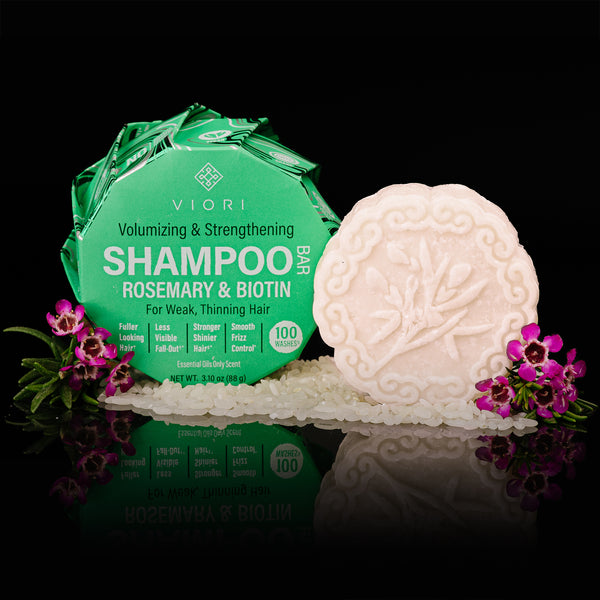
Real reviews for Rosemary Biotin Shampoo Bar – Thinning Hair | VIORI
Your Actionable Hair Wellness Plan
In summary, while biotin is an important player in the hair health symphony, its impact during menopause is one of supportive reinforcement, not a solo cure. It works best as part of a comprehensive approach.
- Nourish from Within: Ensure you get biotin from a balanced diet including foods like eggs, nuts, seeds, and sweet potatoes.
- Care with Intention: Switch to gentle, nutrient-dense haircare that cleanses without compromise and conditions with purpose.
- Prioritize Your Scalp: Treat your scalp as the precious soil it is. Gentle massage and nourishing ingredients can support follicle health.
- Seek Professional Guidance: Always consult with a healthcare provider to rule out other causes of hair changes and to discuss if biotin supplementation is right for your individual health profile.
The goal during menopause and beyond is not to fight the natural progression of life, but to provide your hair with unwavering support, resilience, and health from root to tip. By focusing on holistic nourishment-both internally and through the products you apply-you can nurture your hair to be its strongest, most vibrant self at every stage.


