
As a hair professional with two decades of experience, I've counseled countless women navigating the changes that come with menopause, and the topic of biotin supplementation is one that arises frequently. It's important to understand the relationship between biotin, hair health, and the unique physiological shifts of this life stage.
NOT SURE WHICH PRODUCT IS RIGHT FOR YOU?
TAKE THE QUIZTakes 30 seconds · 134,000+ customers matched
Understanding Biotin's Role in Hair Health
Biotin, also known as vitamin B7 or vitamin H, is a water-soluble B-vitamin that plays a crucial role in the body's keratin infrastructure. Keratin is the foundational protein that makes up your hair, skin, and nails. Biotin supports the enzymes that aid in the synthesis of this protein, which is why a deficiency can indeed lead to hair thinning, loss, and brittleness.
The Menopausal Shift: Hormones vs. Nutrition
During menopause, the decline in estrogen and progesterone-hormones that contribute to hair's growth phase and retention-can lead to a shift in hair follicle behavior. Many women experience what's known as "menopausal hair thinning," where hair may grow more slowly, the strands can become finer, and the shedding phase may seem more pronounced.
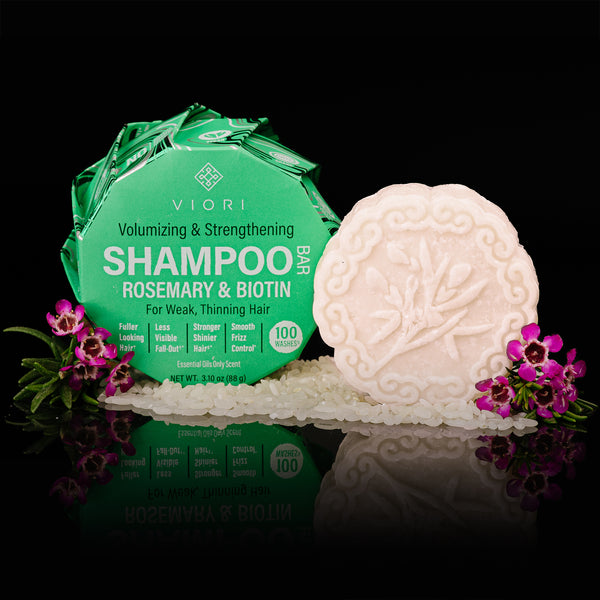
This is where biotin supplementation enters the conversation. For an individual with a true biotin deficiency, supplementation can have a noticeable positive impact on hair strength and growth. However, it's critical to note that menopausal hair changes are primarily driven by hormonal fluctuations, not typically by a vitamin deficiency. Therefore, while supplementing with biotin can provide optimal nutritional support for the keratin-building process, it is not a hormone replacement and may not directly address the root hormonal cause of the thinning.
The Supportive Role of Biotin During Menopause
Think of it this way: biotin helps ensure the "building materials" for your hair are of the highest quality and are being utilized efficiently. It can help maximize the health, strength, and resilience of each individual strand that your body produces. For menopausal women, this means that while biotin may not drastically alter the hormonal signals to the follicle, it can help ensure that the hair that does grow is as strong, shiny, and healthy as possible, potentially minimizing breakage and improving the overall appearance of fullness.
A Holistic Approach to Hair Health in Menopause
It's essential to adopt a holistic approach. Hair health during menopause isn't just about one vitamin. A comprehensive strategy should include:
WHAT CUSTOMERS ARE SAYING
Real reviews for Rosemary Biotin Shampoo Bar – Thinning Hair | VIORI
- Consultation with a Healthcare Provider: Before beginning any new supplement regimen, including biotin, it is always advisable to consult with your healthcare provider. They can help determine if you have a deficiency and ensure supplementation is appropriate for your overall health.
- Balanced Nutrition: A diet rich in various nutrients like iron, zinc, and vitamin D supports overall wellness, which is reflected in your hair.
- Stress Management: Chronic stress can exacerbate hair shedding, making mindfulness and relaxation techniques valuable tools.
- Gentle, Supportive Hair Care: This is where a mindful hair care ritual becomes a powerful partner to internal wellness.
The Critical Importance of External Care
Using products that are pH-balanced, free of harsh sulfates and stripping chemicals, and rich in nourishing ingredients is key to protecting the hair you have. This kind of external care works in concert with internal supplements like biotin by ensuring the hair is not being weakened or damaged by harsh cleansers, allowing your body's natural-and nutritionally supported-efforts to shine through.
When paired with a gentle, nutrient-focused hair care routine, addressing your nutritional needs can be a supportive part of your strategy for maintaining healthy, beautiful hair during and after the menopausal transition.


