
As a stylist with two decades of experience, I understand the balancing act of using potent natural oils like castor oil. It's renowned for its moisturizing and potential hair-supporting properties, but its thick, viscous nature makes it a prime candidate for buildup, which can leave hair feeling heavy, dull, and limp. The key isn't to avoid castor oil, but to integrate it wisely into a regimen that prioritizes scalp and hair health.
NOT SURE WHICH PRODUCT IS RIGHT FOR YOU?
TAKE THE QUIZTakes 30 seconds · 134,000+ customers matched
1. Prioritize Scalp Health with a Clarifying Foundation
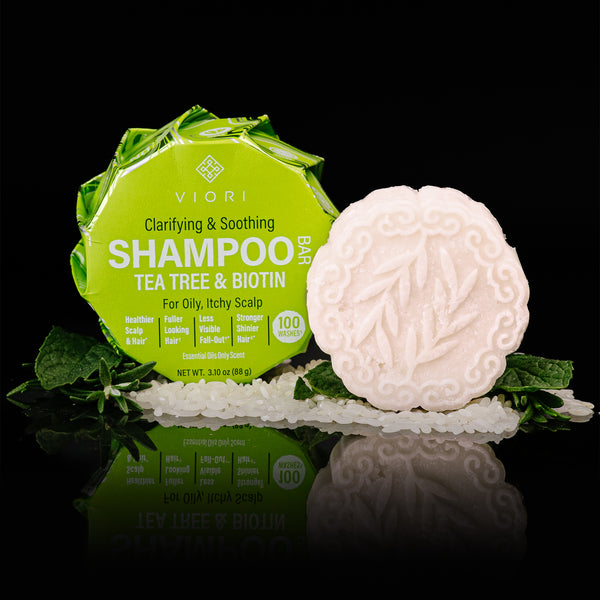
Buildup occurs when oil, along with dead skin cells, environmental pollutants, and leftover product, accumulates on the scalp and hair shaft. Your first line of defense is a clean, balanced scalp. I recommend incorporating a gentle, yet effective, clarifying wash into your routine. Look for a pH-balanced, sulfate-free shampoo bar that can cleanse without stripping. A formula with light, cleansing properties helps remove excess oil and debris from the scalp, creating a healthy environment for your castor oil treatments to be effective without smothering the follicles.
For this purpose, a bar with a bright, clarifying scent profile, often featuring natural citrus elements, can be particularly beneficial. The gentle citric acid in such formulas helps break down oil without disrupting your scalp's natural pH.
2. Master the Application: Less is More & Strategic Placement
This is the most critical step. Castor oil is not a leave-in conditioner for your entire head of hair.
- Dilute It: Pure castor oil is extremely thick. Consider diluting it with a lighter carrier oil (like jojoba or argan) for easier application and absorption.
- Scalp-Focused: Apply the oil primarily to your scalp, not the lengths of your hair. Using a dropper or applicator bottle, part your hair and apply small amounts directly to the scalp. Massage it in gently with your fingertips to stimulate circulation.
- Avoid the Ends: Unless your ends are extremely dry and damaged, avoid applying heavy castor oil to them, as this is where buildup will be most noticeable and weigh hair down.
3. Implement a Consistent, Clarifying Wash Schedule
Do not apply castor oil over existing buildup. Always apply it to a clean scalp. Establish a consistent washing schedule that aligns with your hair's needs.
- Pre-Wash Treatment: The most effective method is to use castor oil as a pre-shampoo treatment. Apply it to your scalp (and sparingly to mid-lengths if needed) 30-60 minutes before you wash your hair, or even overnight with a protective cap. This allows the oil to work its magic without sitting on your hair indefinitely.
- Follow with a Thorough Cleanse: When you wash, focus your shampoo on the scalp to emulsify and lift away the castor oil. You may need to shampoo twice to ensure all the thick oil is removed. A shampoo that creates a rich, creamy lather can be very effective at lifting oils without harsh sulfates.
4. Choose Complementary, Non-Building Hair Care
The other products in your routine must support your goal of avoiding buildup. After cleansing with a clarifying shampoo, follow with a lightweight, moisturizing conditioner. Focus the conditioner primarily on the mid-lengths and ends of your hair to add moisture and shine without adding heavy residues to the scalp. A conditioner formulated with ingredients like hydrolyzed rice protein and natural butters can help smooth the hair cuticle and restore moisture lost during cleansing, without leaving a heavy film.
WHAT CUSTOMERS ARE SAYING
Real reviews for Tea Tree Shampoo Bar – Oily & Itchy Scalp | VIORI
5. Listen to Your Hair and Scalp
Finally, be observant. If your hair starts to feel sticky, look greasy at the roots quickly after washing, or loses its volume, it's a sign of buildup. When this happens:
- Take a Break: Pause your castor oil applications for a week or two.
- Re-Clarify: Use your clarifying shampoo to reset your scalp and hair.
- Reassess Frequency: You may be applying too much oil or applying it too often. For many, a once-a-week castor oil treatment is perfectly sufficient.
By treating castor oil as a targeted treatment rather than an all-over product, and by pairing it with a hair care regimen designed for balance and clarity, you can harness its potential benefits while keeping your hair feeling light, clean, and full of life.


