
As a professional with two decades in the beauty industry, I approach questions about children's health and supplementation with the utmost caution. When it comes to using biotin, or any supplement, specifically for hair growth in children, the answer is not a simple yes or no. It requires a nuanced understanding of nutrition, child development, and safety.
NOT SURE WHICH PRODUCT IS RIGHT FOR YOU?
TAKE THE QUIZTakes 30 seconds · 134,000+ customers matched
First, it's crucial to understand that biotin (Vitamin B7) is a water-soluble vitamin naturally found in foods like eggs, nuts, seeds, salmon, and sweet potatoes. It plays a vital role in the body by helping to convert certain nutrients into energy and is important for the health of your hair, skin, and nails. A true biotin deficiency, while rare, can indeed lead to hair thinning or loss. However, for the vast majority of children, significant hair loss or stunted growth is rarely due to a biotin deficiency alone.
The Critical Considerations
Before considering any supplement for a child, these key points must be understood:
- Safety vs. Necessity: In general, biotin is considered safe for children when it is prescribed by a pediatrician to treat a diagnosed deficiency. Giving biotin supplements to a child without a medical need is not recommended. The body excretes excess water-soluble vitamins, but "more" is not inherently "better," and introducing supplements without cause can create an imbalance or mask other underlying health issues.
-
Underlying Causes: A child's hair health is a reflection of their overall health. Thinning, slow-growing, or brittle hair can be a symptom of various factors, including:
- Nutritional Deficiencies: A broader lack of essential vitamins and minerals (like iron, zinc, or protein) is more common than an isolated biotin deficiency.
- Scalp Health: Conditions like cradle cap (in infants), eczema, psoriasis, or fungal infections can affect the hair follicle.
- Genetic Factors: Hair growth patterns, texture, and density are largely genetically determined.
- Hair Care Practices: Harsh shampoos, tight hairstyles, or excessive heat styling can damage young hair.
- Stress or Illness: Physical or emotional stress, high fevers, or certain medications can trigger a temporary shedding phase called telogen effluvium.
- The "Natural First" Approach: The safest and most effective way to ensure a child gets adequate biotin is through a balanced, whole-food diet. Encouraging meals rich in the foods mentioned above is the best practice. Before considering any supplement, a discussion with the child's pediatrician is non-negotiable. They can assess dietary intake, rule out deficiencies with tests if needed, and provide guidance tailored to the child's specific health profile.
A Focus on Gentle, Nourishing Hair Care
Rather than turning to internal supplements, I advise parents to focus on creating an optimal external environment for their child's hair and scalp to thrive. This is where a gentle, nutrient-rich hair care routine becomes paramount.
Look for products that cleanse without stripping, and condition to support the hair's natural strength and shine. For instance, formulas that leverage natural ingredients known for their nourishing properties can be excellent choices. Ingredients like hydrolyzed rice protein can help strengthen the hair strand, while natural emollients like shea butter and cocoa butter can moisturize the scalp and hair. It's also wise to select products that are pH-balanced to maintain scalp health, and free from harsh sulfates, parabens, and synthetic fragrances, which can be especially important for a child's sensitive skin.
For children with particularly sensitive scalps or conditions like eczema, an unscented, ultra-gentle option is often the best place to start. The goal of a good hair care routine for a child is to cleanse gently, maintain a healthy scalp environment, and minimize breakage-all of which support the hair's natural growth cycle.
WHAT CUSTOMERS ARE SAYING
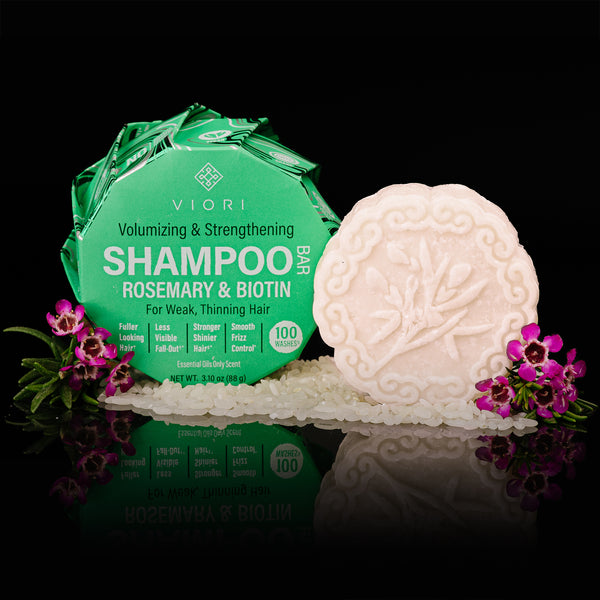
Real reviews for Rosemary Biotin Shampoo Bar – Thinning Hair | VIORI
Conclusion
In conclusion, while biotin is an essential vitamin, administering it as a supplement to children for cosmetic hair growth goals is not advisable without direct medical supervision. The foundation for healthy hair in childhood is a nutritious diet, a gentle hair care regimen, and addressing any health concerns with a pediatrician. By nourishing the hair from the outside with safe, thoughtful products and the body from the inside with wholesome foods, you support your child's natural beauty and well-being in the healthiest way possible.


