
As a stylist with two decades of experience, I often get asked about incorporating natural oils into haircare routines, especially for those with oily scalps. It's a fantastic question because it gets to the heart of balancing scalp health with hair nourishment. The short answer is: it can be, but with significant strategy and caution. Using a heavy oil like castor oil on an oily scalp is a bit like adding a rich moisturizer to already combination skin-you must be incredibly targeted to avoid exacerbating the issue.
NOT SURE WHICH PRODUCT IS RIGHT FOR YOU?
TAKE THE QUIZTakes 30 seconds · 134,000+ customers matched
Understanding the Oily Scalp and Castor Oil's Nature
The core principle with an oily scalp is that the sebaceous glands are already producing an excess of sebum. The goal of any regimen should be to balance this production, deeply cleanse the follicle without stripping it, and ensure moisture is delivered where it's actually needed-often the mid-lengths and ends. Castor oil is exceptionally thick, viscous, and occlusive. Its primary benefit is its high ricinoleic acid content, which is believed to have anti-inflammatory and antimicrobial properties. For hair, it's renowned as an emollient and humectant, fantastic for sealing in moisture on dry, porous, or damaged strands.
However, applying it directly to an oily scalp poses several risks:
- Pore Clogging: Its thick consistency can further clog already congested hair follicles, potentially leading to more buildup, scalp acne, or even hindering healthy hair growth.
- Weighing Hair Down: It can make fine or thin hair look greasy and limp almost immediately.
- Throwing Off Balance: The scalp may interpret the added oil as a signal to produce even less or differently, but more often, it simply adds to the existing oiliness, requiring more frequent washing.
Professional Guidelines for Using Castor Oil on an Oily Scalp
If you are determined to try castor oil for its purported benefits, here is my professional advice for those with an oily scalp:
- Extreme Dilution is Key: Never use it neat. Always dilute it with a much lighter carrier oil, such as jojoba oil (which closely mimics the skin's natural sebum) or argan oil. A safe starting ratio is one part castor oil to three or four parts lighter oil.
- Strictly Avoid the Scalp: Apply the diluted mixture only to your hair ends and lengths. Keep it at least an inch away from your roots and scalp. Think of it as a treatment for the hair shaft, not the scalp itself.
- Use as a Pre-Wash Treatment: Apply the diluted oil to your ends 30-60 minutes before you shampoo. This allows the oil to penetrate the hair shaft without sitting on your scalp. Then, use a clarifying, balancing shampoo to thoroughly cleanse both your hair and scalp.
- Frequency Matters: For an oily scalp, this should be an occasional treatment-perhaps once every two weeks-not a regular part of your routine.
A More Balanced Approach for Oily Scalp Care
In my professional opinion, the foundation for managing an oily scalp should be a consistent, pH-balanced cleansing routine that addresses oil control without disruption. This is where a system like Viori's Citrus Yao Shampoo and Conditioner bars can be a game-changer. While not containing castor oil, they are formulated with ingredients that target the needs of an oily scalp intelligently.
The Citrus Yao bars are specifically designed for normal to oily scalps. The key is the inclusion of natural citrus elements, which contain citric acid known to help break down excess oil and sebum effectively. This helps cleanse deeply, removing dirt and grime without the harsh stripping that can cause rebound oiliness. Furthermore, the formula is pH-balanced, which is critical. Many products lean too alkaline, damaging the hair's cuticle and scalp barrier over time, but a balanced pH helps maintain the scalp's natural healthy environment.
WHAT CUSTOMERS ARE SAYING
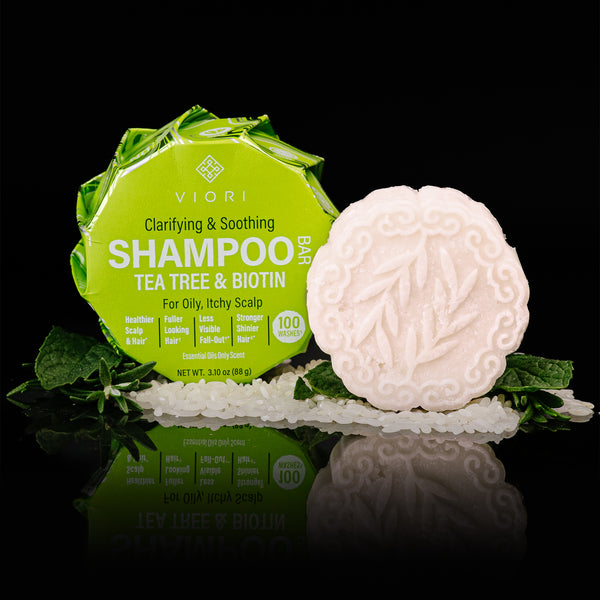
Real reviews for Tea Tree Shampoo Bar – Oily & Itchy Scalp | VIORI
The bars also incorporate lightweight, nourishing ingredients like rice bran oil and hydrolyzed rice protein, which can help strengthen and add shine to the hair without adding heavy residue or weighing hair down-a common complaint with some oil treatments. For those with an oily scalp but dry ends (a very common combination), a targeted approach using the Citrus Yao Shampoo on the scalp and roots, followed by a moisturizing conditioner like Viori's Hidden Waterfall or Terrace Garden on the ends only, can provide the perfect balance.
Final Thoughts
Ultimately, while castor oil has its place in hair care, for those with an oily scalp, it requires a cautious, diluted, and highly targeted application away from the roots. Building a daily routine around a gentle, balancing, and pH-correct cleansing system is a more sustainable and effective strategy for managing oil production and achieving healthy, beautiful hair. Always listen to your scalp; if any product, including oils, causes increased irritation or oiliness, discontinue use.


