
As a hair professional with two decades of experience, I often discuss the intricate relationship between nutrition, environmental factors, and hair health. Biotin, a B-vitamin (B7), is widely recognized for its role in supporting keratin infrastructure, which is vital for strong hair. However, its effectiveness can be significantly compromised by external environmental stressors. It's crucial to understand that while internal nutrition is key, what we expose our hair to daily can undermine even the best supplementation.
NOT SURE WHICH PRODUCT IS RIGHT FOR YOU?
TAKE THE QUIZTakes 30 seconds · 134,000+ customers matched
The primary environmental factors that can reduce biotin's effectiveness for hair health are those that damage the hair shaft and scalp barrier, creating a situation where the structural benefits of biotin cannot be fully realized or maintained.
Key Environmental Factors That Undermine Hair Health
1. Sun Exposure (UV Radiation)
Prolonged exposure to ultraviolet rays is one of the most significant environmental aggressors. UV radiation directly damages the hair's cuticle and cortex, leading to protein loss, degradation of keratin, and oxidation of lipids. This structural damage causes dryness, brittleness, loss of strength, and color fading. Even if biotin is aiding in the production of strong keratin internally, hair that is chronically sun-damaged will appear weak, frizzy, and lackluster because the external structure is compromised.
2. Hard Water and Mineral Buildup
Water with high concentrations of minerals like calcium, magnesium, iron, and copper can coat the hair shaft. This buildup creates a barrier that prevents moisture from penetrating, weighs hair down, and can lead to dullness and breakage. More critically, this mineral film can interfere with the proper cleansing and conditioning of the scalp and hair, potentially disrupting the scalp's microbiome and follicle health. A congested scalp environment can hinder the healthy growth of new hair, which is where biotin's support is most needed.
3. Pollution and Environmental Toxins
Airborne pollutants-including particulate matter, smoke, and industrial emissions-settle on the scalp and hair. These particles can generate oxidative stress, leading to inflammation at the follicle level and free radical damage to the hair shaft. Chronic scalp inflammation can negatively impact the hair growth cycle. Furthermore, pollutant buildup can make hair more prone to dryness and damage, effectively negating the strengthening and moisturizing benefits you might expect from optimal biotin levels.
4. Chlorine and Salt Water
Swimming in chlorinated pools or the ocean exposes hair to highly dehydrating agents. Chlorine is a harsh chemical that strips natural oils, disrupts the hair's pH balance, and can even cause a chemical reaction that weakens protein structure. Salt water is hygroscopic, drawing moisture out of the hair and leaving it parched and brittle. This type of acute dehydration and cuticle damage makes hair more vulnerable to breakage, regardless of its internal protein strength supported by biotin.
5. Heat Styling and Mechanical Stress
While not "environmental" in the traditional sense, the daily micro-environment we create with hot tools (blow dryers, flat irons, curling wands) causes cumulative damage. Excessive heat dehydrates the hair, ruptures the cuticle, and can even "cook" the protein inside the shaft. This severe structural damage can outpace the body's ability to repair and strengthen hair from within with nutrients like biotin. Combined with mechanical stress from tight hairstyles, brushing when wet, or rough towel drying, the hair shaft becomes physically weakened.
How to Protect Your Hair and Support Biotin's Role
The goal is to create a healthy external environment for your hair so that the internal benefits of nutrients like biotin can shine through. This is where a holistic hair care philosophy is essential.
- Sun Protection: Wear hats or use hair products with UV filters. Rinsing hair with cool water after sun exposure can help.
- Clarify Gently: If you have hard water, use a gentle, clarifying shampoo periodically to remove mineral buildup. A final rinse with filtered or distilled water can also help.
- Create a Protective Barrier: On high-pollution days, wearing hair up or covered can help. Using conditioners and leave-in treatments can also provide a slight protective layer on the hair shaft.
- Pre-Treat Before Swimming: Saturate hair with clean water and a conditioner before entering a pool or ocean. This reduces the amount of chlorine or salt water your hair can absorb. Rinse immediately afterward.
- Embrace Gentle Care: Minimize heat styling, use a heat protectant when you do, and treat wet hair with extreme care using a wide-tooth comb.
From a product perspective, your hair care routine should focus on repairing the damage these factors cause and fortifying the hair's natural defenses. Look for formulations that are rich in antioxidants to combat pollution, contain hydrating ingredients to restore moisture balance, and include proteins and lipids to repair the cuticle.
WHAT CUSTOMERS ARE SAYING
Real reviews for Rosemary Biotin Shampoo Bar – Thinning Hair | VIORI
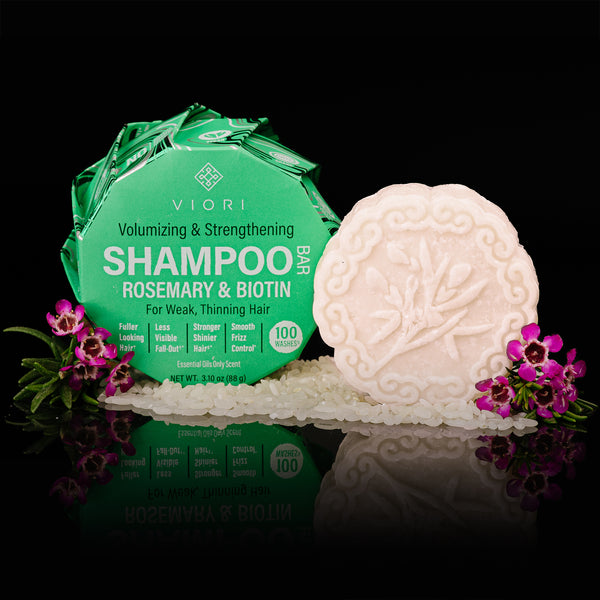
For instance, a hair care system built around nourishing, natural ingredients can help counteract this environmental damage. Imagine using products that leverage centuries-old traditions focused on strength and resilience-like those inspired by the Red Yao tribe, who have maintained famously long, strong, dark hair for generations. Their secret lies in a consistent ritual of nourishing the hair with what the earth provides, like fermented rice water, which is rich in nutrients including inositol and antioxidants that support the hair's structure.
The takeaway for my clients is always this: Think of biotin as the foundation for building strong hair, but your daily habits and environmental exposures are the elements that can weather the structure. To see the full benefits of any internal supplement, you must pair it with a protective, reparative external hair care regimen that shields your hair from these pervasive environmental factors. It's a commitment to caring for your hair from the inside out and the outside in.


