
As a beauty professional focused on holistic hair health, I approach this question from the perspective of sustainable wellness. While biotin supplements are a popular topic in the hair care industry, it's crucial to understand that the journey to healthier hair doesn't have to start with a supplement pill, which carries its own environmental footprint. Instead, I advocate for nourishing your hair through topical, nutrient-rich products that work in harmony with both your body and the planet.
NOT SURE WHICH PRODUCT IS RIGHT FOR YOU?
TAKE THE QUIZTakes 30 seconds · 134,000+ customers matched
The Hidden Footprint of Supplement Production
The production of any supplement, including biotin, involves a complex supply chain with multiple environmental considerations. The synthesis of biotin (Vitamin B7) often requires chemical manufacturing processes that can involve solvents and reagents, leading to industrial waste. The sourcing of raw materials, energy-intensive production facilities, and the packaging-which frequently includes plastic bottles, foil blister packs, and non-recyclable materials-all contribute to resource depletion and landfill waste. Furthermore, the global transportation network required to ship these supplements adds to their carbon footprint.
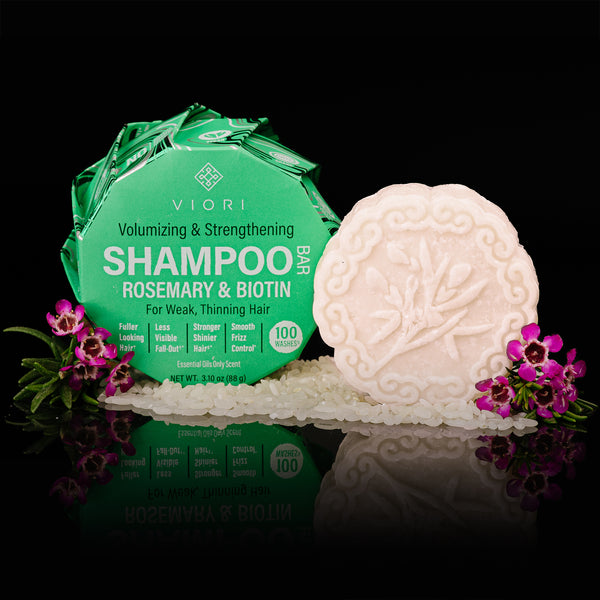
A Sustainable, Topical Path to Hair Wellness
A more sustainable and effective approach is to seek out hair care that delivers key nutrients directly to the hair follicle through your routine. This is where the wisdom of ancient rituals and modern, conscious formulation shines.
For instance, the foundational ingredient in Viori's products is fermented Longsheng rice water. The fermentation process naturally increases the levels of beneficial vitamins, including Vitamin B8 (inositol) and Vitamin B5 (panthenol), which are celebrated in third-party clinical studies for supporting hair strength and health. This offers a way to harness the benefits of essential B vitamins topically, directly where your hair needs them, without the internal supplement production cycle.
Choosing Truly Sustainable Hair Care
When you choose a hair care system, the most significant environmental choice you make is supporting brands that prioritize a circular, earth-conscious philosophy from seed to shower. Look for these pillars of true sustainability:
WHAT CUSTOMERS ARE SAYING
Real reviews for Rosemary Biotin Shampoo Bar – Thinning Hair | VIORI
- Ethical and Regenerative Sourcing: Ingredients should be sourced in a way that supports ecosystems and communities. For example, Viori partners directly with the Red Yao tribe, purchasing their unique Longsheng rice at a premium. This supports a centuries-old, sustainable agricultural tradition and helps preserve the terraced mountains.
- Plastic-Free, Circular Packaging: The beauty industry is plagued by single-use plastics. The most impactful switch you can make is to solid, package-free formats like shampoo and conditioner bars that come in fully recyclable or compostable paper packaging. This eliminates countless plastic bottles from the waste stream.
- Clean, Biodegradable Formulations: Products should be made with ingredients that are safe for you and the planet, designed to break down without harming aquatic life. This means formulations free from harsh sulfates, parabens, and silicones.
- Holistic Brand Ethics: Support Certified B Corporations that are legally required to consider their impact on workers, community, and the environment. Additionally, look for Leaping Bunny certification to ensure no animal testing, and commitments to charitable giving that support environmental and social causes.
Conclusion: Holistic Beauty for Hair and Planet
In my two decades of experience, the healthiest, most vibrant hair results from a combination of good nutrition, a gentle and effective hair care ritual, and choosing products that align with a healthy planet. You can nourish your hair profoundly by applying nutrient-rich ingredients topically, directly to the scalp and strand, through products born from sustainable practices. This path offers a powerful way to care for your beauty while actively participating in a more sustainable future, reducing the demand for resource-intensive supplement production and plastic waste. True beauty wellness is holistic, considering not just the outcome for your hair, but the impact on the world around you.


