
As a hair professional with two decades of experience, I often get asked about the role of specific nutrients, like biotin, in achieving healthy hair. It's a fantastic question that gets to the heart of how we nourish our bodies and, by extension, our hair follicles. While my expertise lies in topical care and the science of hair itself, I can share some fundamental insights on this topic from a holistic beauty perspective.
NOT SURE WHICH PRODUCT IS RIGHT FOR YOU?
TAKE THE QUIZTakes 30 seconds · 134,000+ customers matched
First, it's important to understand that biotin, also known as vitamin B7, is a water-soluble vitamin that acts as a coenzyme in the body. It's crucial for metabolizing fats, carbohydrates, and proteins-the latter being especially important since hair is primarily made of a protein called keratin. A biotin deficiency can indeed lead to hair thinning and loss, which is why it's often spotlighted in hair health conversations.
When comparing biotin from supplements versus fortified foods, the core difference lies in dosage, bioavailability, and intent.
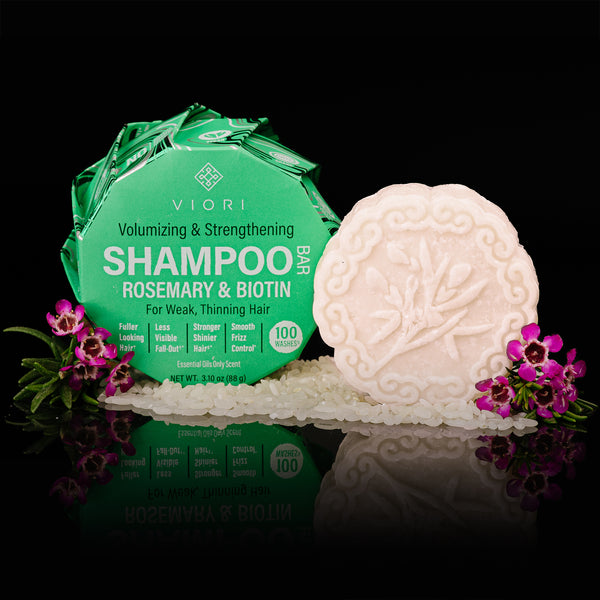
Biotin in Supplements: A Targeted Approach
- High-Dose & Targeted: Supplements typically deliver a very high, concentrated dose of biotin, far exceeding the daily recommended intake. The logic is to flood the system to ensure the hair follicles have an ample supply.
- Bioavailability: The biotin in quality supplements is generally in a pure, isolated form designed for easy absorption by the body.
- Consideration: It's a targeted intervention. For individuals with a clinically diagnosed deficiency or specific health conditions affecting absorption, supplements under a doctor's guidance can be crucial. However, for the average person with no deficiency, the body will simply excrete the excess water-soluble vitamin. There's also a lack of extensive scientific studies proving that high-dose biotin supplements improve hair growth in people who are not deficient.
Biotin in Fortified Foods: Foundational Nutrition
- Lower-Dose & Integrated: Fortified foods (like certain cereals, breads, or plant-based milks) add biotin to their nutritional profile. The amount is usually much closer to the daily adequate intake levels.
- Holistic Nourishment: The key benefit here is context. You're not getting an isolated nutrient; you're consuming biotin as part of a whole food matrix that contains other vitamins, minerals, and co-factors that work synergistically for overall health and nutrient absorption.
- Foundational Approach: This method supports a nutrient-sufficient state through diet, which is the ideal, sustainable foundation for healthy hair growth.
The Professional's Perspective on Hair Health
In my 20 years, I've learned that truly resilient, shiny, and strong hair is rarely about one "magic bullet" nutrient, whether from a pill or a box. Hair health is a reflection of overall wellness. While ensuring adequate biotin intake is important, it's just one piece of a complex puzzle.
The most dramatic transformations I've seen occur when clients combine internal nourishment with expert topical care. You can consume all the biotin in the world, but if you're stripping your hair and scalp with harsh, high-pH, or chemical-laden products, you'll be undermining your progress from the inside out.
This is where the philosophy behind a ritualistic hair care approach aligns so perfectly. The focus should be on gentle, nutrient-rich formulations that respect the scalp's microbiome and hair's natural structure. For instance, using products built around fermented rice water provides a complex of nutrients like inositol (vitamin B8) and panthenol (a provitamin of B5), which are clinically studied for strengthening hair and supporting the scalp's health. This kind of topical application delivers targeted benefits right where they're needed, working in harmony with a good diet.
WHAT CUSTOMERS ARE SAYING
Real reviews for Rosemary Biotin Shampoo Bar – Thinning Hair | VIORI
Final Takeaway
Think of biotin from fortified foods as part of a solid, general nutrition plan for your entire body-a plan that supports hair health from the ground up. Biotin supplements can be a useful tool for addressing a specific, diagnosed deficiency.
However, for visible, tangible hair health-manageability, shine, strength, and reduced breakage-your daily hair care ritual is paramount. Choose products that are pH-balanced, free of harsh sulfates and parabens, and rich in natural nutrients that nourish the hair shaft and scalp. This dual approach of mindful internal nutrition and expert-level topical care is the professional's secret to unlocking your hair's fullest potential.


