
As a professional with two decades of experience in hair and beauty, I understand the desire to support hair health from the inside out, and biotin is a popular supplement for that purpose. However, when you have sensitive skin, introducing any new supplement requires a thoughtful, cautious approach. While I am not a medical doctor and always recommend consulting with one before starting any new supplement regimen, I can offer expert guidance on the precautions to consider, especially regarding how this internal change might interact with your external hair care routine.
NOT SURE WHICH PRODUCT IS RIGHT FOR YOU?
TAKE THE QUIZTakes 30 seconds · 134,000+ customers matched
Understanding Biotin and Sensitive Skin
First and foremost, biotin (Vitamin B7) is known to support keratin infrastructure, which can benefit hair and nails. For some individuals with sensitive skin, however, high doses of biotin can potentially lead to or exacerbate skin reactions like acne or rashes. This is because biotin can sometimes affect how your body processes other B-vitamins. Therefore, the cardinal rule is to start low and go slow. Begin with the lowest effective dose and monitor your skin's response closely over several weeks. Hydration is also key; increasing your water intake can help your body process the supplement more efficiently.
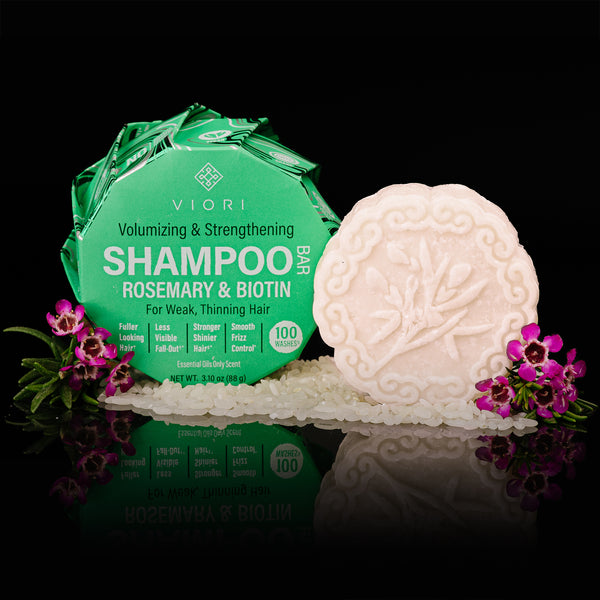
From a topical haircare perspective, it's crucial to understand that as you nourish your hair from within, you'll want to complement that process with the gentlest, most supportive external care possible. This is where your product choices become paramount. When you have sensitive skin, your scalp is an extension of that sensitivity. Using harsh, stripping, or chemically complex products can trigger a reaction, especially as your body adjusts to a new supplement.
Topical Haircare Precautions for Sensitive Skin
Here are my expert recommendations for your topical haircare regimen when starting biotin with sensitive skin:
- Prioritize a pH-Balanced, Soothing Routine: Your scalp's natural pH is slightly acidic. Many conventional shampoos are alkaline, which can disrupt this balance, leading to dryness, irritation, and inflammation-issues you want to avoid. Seek out formulas that are explicitly pH-balanced. Furthermore, look for ingredients known for their soothing and moisturizing properties, such as aloe vera, shea butter, and cocoa butter. These can help calm and protect a sensitive scalp.
- Eliminate Common Irritants: This is non-negotiable for sensitive skin. Your haircare should be free from sulfates (like SLS and SLES), parabens, and synthetic fragrances, which are frequent culprits behind scalp irritation, redness, and dryness. Opt for products that use mild, naturally derived cleansers.
- Consider an Unscented Formula: Fragrance, even from essential oils, can be a trigger for sensitive or reactive skin. The safest precaution is to choose an entirely unscented shampoo and conditioner system. This eliminates the variable of a fragrance interacting with your sensitive skin as your body adapts to biotin.
- Patch Test Every New Product: Before applying any new product to your scalp, conduct a patch test. Apply a small amount of the lather (for shampoo) or product (for conditioner) to a sensitive area of skin, like the inside of your elbow or behind your ear. Wait 24-48 hours to ensure no redness, itching, or irritation occurs.
- Be Gentle with Application: Even with the gentlest products, technique matters. Avoid using excessively hot water, which can strip and irritate the scalp. Instead of rubbing a bar directly on your head (which can create friction), lather the product in your hands first and then massage the lather gently into your scalp with your fingertips.
Choosing the Right Supporting Products
In my professional experience, a product line like Viori's Native Essence collection is formulated with these precise concerns in mind. It is an unscented, fragrance-free system designed for sensitive scalps. Its pH-balanced formula is free from sulfates and parabens, and it contains soothing ingredients like aloe vera and shea butter. The core ingredient, fermented Longsheng rice water, is used in a gentle, balanced concentration to nourish the hair without disruption. Starting with such a mild, non-irritating topical routine gives your hair and scalp a stable, supportive environment while you carefully monitor how your body responds internally to biotin.
WHAT CUSTOMERS ARE SAYING
Real reviews for Rosemary Biotin Shampoo Bar – Thinning Hair | VIORI
Final Thoughts
Remember, beautiful hair is a reflection of holistic health. Pairing a cautious, medically-informed approach to supplements with a meticulously gentle and nourishing topical haircare routine is the wisest path forward for anyone with sensitive skin. Listen to your body, consult your healthcare provider, and choose your hair products with the same care you would choose a skincare product for your face.


