
As a hair professional for over two decades, I often have clients come to me with this exact concern. It's a common and frustrating experience to invest time and hope into a supplement like biotin, only to feel like your hair's condition, thickness, or growth hasn't changed. Let's break down why this might be happening and, more importantly, what you can do to shift your strategy for truly healthy, vibrant hair.
First, it's crucial to understand that biotin (Vitamin B7) is a coenzyme that supports the body's keratin infrastructure-the protein that makes up your hair, skin, and nails. A deficiency in biotin can lead to hair thinning and loss, so supplementing can be beneficial if you are genuinely deficient. However, true biotin deficiency is relatively rare for most people eating a balanced diet. The reality is that hair health is a complex puzzle influenced by far more than a single vitamin.
NOT SURE WHICH PRODUCT IS RIGHT FOR YOU?
TAKE THE QUIZTakes 30 seconds · 134,000+ customers matched
If you're not seeing results from biotin, here are the key factors to consider and the steps you should take:
1. Address the Root Cause, Not Just a Symptom.
Hair thinning or lack of growth is rarely an isolated issue. It's often a signal from your body. Potential underlying causes include:
- Other Nutritional Deficiencies: Iron, Vitamin D, Zinc, and essential amino acids are all critical for hair growth. An over-focus on biotin can mean you're missing these other vital building blocks.
- Hormonal Imbalances: Thyroid disorders, PCOS, and changes in estrogen or testosterone can significantly impact your hair's growth cycle.
- Scalp Health: You cannot grow healthy hair from an unhealthy scalp. Issues like chronic dryness, excess oil production (sebum), inflammation, or poor circulation at the follicle level will stunt growth regardless of what you ingest.
- External Stressors: Physical stress from illness, surgery, or extreme dieting, as well as significant emotional stress, can trigger a condition called Telogen Effluvium, pushing hair follicles into a resting phase.
- Genetic Factors: Androgenetic alopecia (pattern hair loss) has a strong genetic component and requires a targeted approach beyond general vitamins.
Your Action Step: I strongly recommend consulting with a healthcare provider or a dermatologist. They can run tests to check for deficiencies, hormonal issues, or thyroid problems to identify the true root cause.
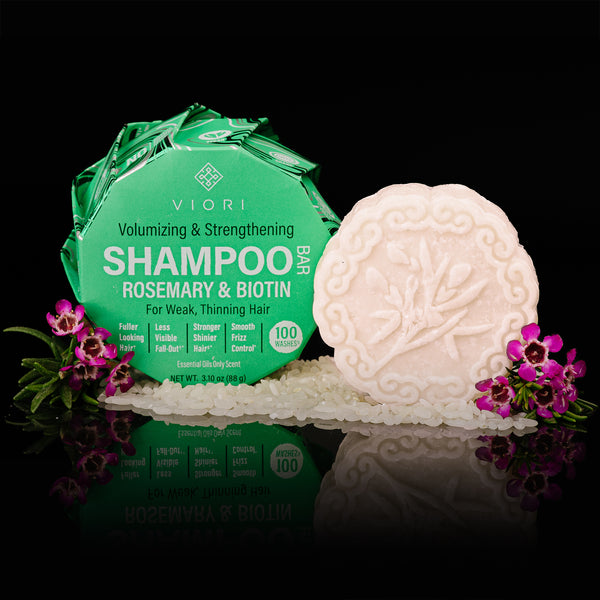
2. Shift Your Focus from Internal-Only to a Combined Internal & External Approach.
Think of it this way: nourishing your body is like preparing fertile soil. But you also need to tend to the garden directly. Your hair and scalp are the "garden" that needs direct, topical care. The right hair care products don't just clean; they deliver targeted nutrients, balance the scalp's ecosystem, and protect the hair shaft you're working so hard to grow.
This is where the ancient wisdom behind modern, nutrient-rich formulations becomes essential. For centuries, cultures like the Red Yao in China have understood that direct, topical application of fermented rice water-rich in inositol (Vitamin B8) and panthenol (Vitamin B5)-can strengthen hair, improve its resilience, and support a healthy scalp environment. Third-party clinical studies support that these nutrients, when applied topically, can aid in hair health.
Your Action Step: Reevaluate your hair care routine. Are you using harsh, stripping shampoos with sulfates? Are you over-styling with heat? Transition to a gentle, pH-balanced, and nutrient-dense hair care system designed to work in harmony with your body's natural processes.
3. Practice Realistic Patience and Consistency with the Right Products.
Hair grows slowly-about half an inch per month. After a period of shedding or damage, it can take at least 2 to 3 months of consistent, correct care to see noticeable improvement in new growth and overall health. This timeline applies to topical care as much as to internal supplements.
A common mistake is switching products too frequently. Your scalp needs time to adjust and respond to a new, healthier regimen.
WHAT CUSTOMERS ARE SAYING
Real reviews for Rosemary Biotin Shampoo Bar – Thinning Hair | VIORI
Your Action Step: Commit to a holistic routine for a minimum of 90 days. This includes:
- Continuing a balanced diet (consider a broad-spectrum supplement if advised by your doctor, not just biotin alone).
- Adopting a gentle, nourishing hair care ritual free of sulfates, parabens, and harsh alcohols.
- Protecting your hair from excessive heat and mechanical stress.
4. Choose Topical Ingredients That Target Hair and Scalp Health Directly.
Look for products built around ingredients known to support hair strength and scalp nourishment. Key ingredients to seek out include:
- Fermented Rice Water & Hydrolyzed Rice Protein: For strength, shine, and to help support the hair's natural structure.
- Natural Emollients like Shea & Cocoa Butter: To moisturize the scalp and hair, reducing dryness and irritation.
- Botanical Extracts like Aloe Vera and Bamboo: To soothe the scalp and provide a healthy environment for growth.
- pH-Balanced Formulas: Critical to maintain the scalp's natural acid mantle, preventing dryness and irritation that can hinder growth.
In my professional experience, clients who pair a mindful approach to internal health with a dedicated, high-quality topical hair care routine see the most profound and lasting transformations. Hair health is a journey that requires looking at the whole picture-from nutrition and physiology to the direct care of your scalp and strands. By moving beyond a single-supplement solution and embracing a holistic strategy, you can create the ideal conditions for your hair to thrive.


