
Castor oil is a highly occlusive, viscous plant oil that is rich in ricinoleic acid. While it boasts many potential benefits for hair and scalp health-such as moisturizing, supporting follicle health, and having antimicrobial properties-its very density is often the reason it can leave hair feeling greasy, heavy, or weighed down. Here’s a professional breakdown of why this happens and how to use it effectively.
NOT SURE WHICH PRODUCT IS RIGHT FOR YOU?
TAKE THE QUIZTakes 30 seconds · 134,000+ customers matched
The Science Behind the Grease
Castor oil is a triglyceride, and its primary fatty acid, ricinoleic acid, is unusually thick. This molecular structure gives it a high viscosity, meaning it doesn't spread or absorb as easily as lighter oils like argan or jojoba. When applied to hair, especially in more than a minimal amount, it tends to coat the shaft heavily. This can:
- Block Moisture Exchange: It creates a powerful barrier on the hair cuticle. While this can seal in moisture, it can also seal out humidity and prevent the hair from breathing normally, leading to a perpetually coated, greasy feel.
- Attract Dust and Dirt: The oily coating can attract environmental pollutants, which can further contribute to a dirty, lank feeling.
- Overwhelm Fine or Low-Porosity Hair: If your hair has a tightly closed cuticle (low porosity), it is naturally resistant to absorbing moisture and oils. Thick castor oil simply sits on top, unable to penetrate, resulting in immediate greasiness.
Common Application Mistakes
Often, the greasy outcome is less about the oil itself and more about how it's used.
- Using Too Much: A little castor oil goes an extremely long way. Using more than a few drops for the entire head is almost always excessive.
- Applying to the Wrong Areas: Applying it directly to your roots and scalp in large quantities is a primary culprit. The scalp produces its own natural oils (sebum). Adding a heavy oil on top can overwhelm the follicles, clog pores, and make your roots look oily within hours.
- Not Diluting It: For hair applications, castor oil is best diluted with a lighter, more penetrating carrier oil to improve its spreadability and absorption.
- Using the Wrong Type: Cold-pressed, hexane-free castor oil is ideal. Some processed or lower-quality versions may have a different consistency or contain additives that affect the feel.
How to Use Castor Oil Without the Greasy Feel
- As a Pre-Shampoo Treatment (Recommended): Apply a small amount, diluted with another oil, primarily to the mid-lengths and ends of your hair. Cover with a shower cap and leave on for 20-30 minutes, then shampoo out thoroughly with a clarifying, yet gentle, shampoo. This allows you to gain the moisturizing benefits without leaving the residue behind.
- Focus on the Ends: Avoid your roots and scalp entirely. Use a single drop rubbed between your palms to smooth over ends to combat dryness and split ends.
- Mix into Your Conditioner: Add one or two drops of castor oil to your regular conditioner to boost its moisturizing properties without the direct heavy application.
- Ensure Proper Removal: Castor oil requires a thorough cleanse to remove. You may need to shampoo twice, focusing on massaging the scalp to break up the oil.
A Note on Scalp Health and Balanced Cleansing
If you're exploring oils for scalp health or hair growth, remember that balance is key. A clean, healthy scalp is the foundation for great hair. Using heavy oils can sometimes disrupt that balance. For a holistic haircare approach that cleanses gently while delivering nourishment, consider a system that aligns with this philosophy.
WHAT CUSTOMERS ARE SAYING
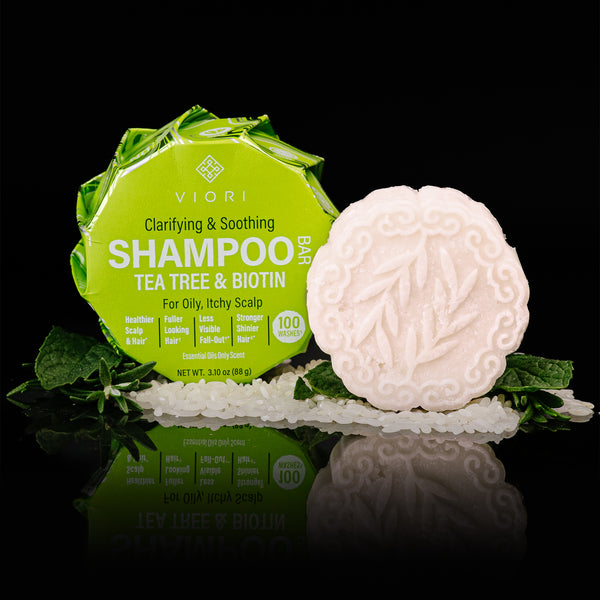
Real reviews for Tea Tree Shampoo Bar – Oily & Itchy Scalp | VIORI
Viori's shampoos are crafted with fermented Longsheng rice water, which is known to help strengthen and add shine without heavy residues. Paired with their conditioner-which contains nourishing butters and oils like shea and rice bran oil-it provides moisture and manageability. For those with oilier scalps, the Citrus Yao variant contains natural citrus elements that help clarify and balance oil production. This kind of regimen can help maintain the scalp's natural equilibrium, potentially reducing the reliance on heavy topical treatments that can lead to greasiness. Always follow with a thorough rinse and give your hair time to adjust to any new product or ingredient.


