
Aloe shampoo has a certain reputation: gentle, soothing, “clean but not stripped,” and somehow more hydrating than everything else on the shelf. And honestly? Sometimes that reputation is deserved. Other times, you try an aloe shampoo and think, “Okay… so what?”
The difference usually isn’t whether aloe is “good” or “bad.” It’s that aloe is often misunderstood. It doesn’t act like a magic drink of water for your hair. The real story is much more interesting-and far more useful if you want predictable results.
Here’s the angle most people miss: aloe changes how hair and scalp behave during cleansing. Think friction, slip, comfort, and how your hair feels while it’s wet. That’s why aloe can feel amazing for someone with tangly, stressed hair… and totally underwhelming for someone else.
NOT SURE WHICH PRODUCT IS RIGHT FOR YOU?
TAKE THE QUIZTakes 30 seconds · 134,000+ customers matched
Aloe isn’t one ingredient-it’s a whole category
When a product says “aloe,” it could mean several different raw materials. They’re related, but they don’t perform exactly the same-especially in a rinse-off product like shampoo.
- Aloe juice (water-based aloe): mostly water with small amounts of sugars and soothing compounds.
- Reconstituted aloe powder: often used for consistency; behaves like a water-phase ingredient once mixed.
- Aloe extracts: processed to emphasize different parts of the plant, sometimes aimed more at “calm” or more at “feel.”
Why it matters: shampoo is on your head for a short time, then it’s gone. So aloe only makes a big difference when the rest of the formula is designed to support it-either by reducing harshness during cleansing or helping a small amount of those aloe components lightly cling to hair and scalp after you rinse.
The rarely discussed benefit: aloe is a friction manager
In the salon, people describe great shampoos with words like “slip,” “soft,” and “easy to detangle.” That’s not just a vibe-it’s physical. Hair softness is strongly tied to friction: how strands slide against each other when wet, and how much they snag when you run your fingers through.
Aloe contains natural polysaccharides (think: plant sugars) that can help with:
- Wet slip (less drag while detangling)
- A light film-forming effect (hair can feel smoother and less squeaky)
- A more comfortable cleanse (especially if you tend to feel tight or dry after shampooing)
This is why aloe shampoo often “feels” hydrating. The hair isn’t necessarily absorbing more water internally-it’s often experiencing less friction and less roughness during the wash.
Scalp comfort isn’t just about aloe-it’s about pH
If there’s one technical detail that quietly makes or breaks your results, it’s pH. Hair and scalp generally behave better in a mildly acidic range. When cleansers lean too alkaline over time, you can end up with a raised cuticle, more tangles, more frizz, and sometimes that tight, irritated feeling that makes people say, “My scalp hates shampoo.”
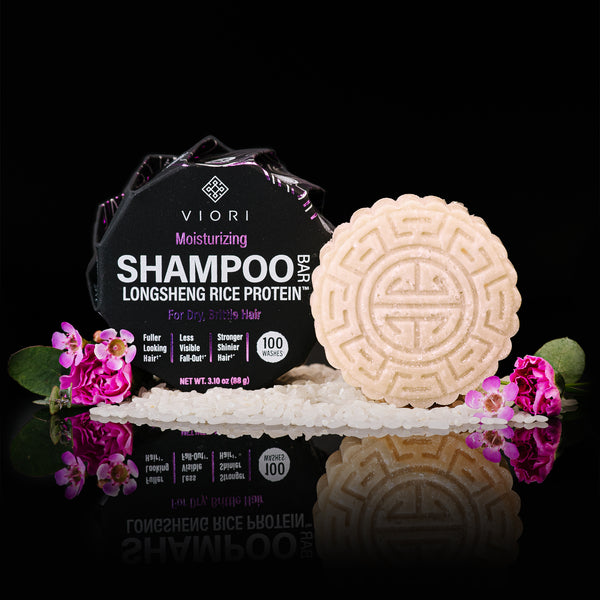
Aloe doesn’t automatically make a product pH-friendly. It needs to be formulated into a pH-balanced system. This is one reason I appreciate that Viori emphasizes that their bars are pH balanced-because pH is one of those unsexy details that shows up later as shine, manageability, and overall hair feel.
Who usually loves aloe shampoo (and who might not)
When aloe tends to shine
Aloe shampoos are often at their best for people dealing with either comfort issues or friction issues.
- Reactive scalp: tightness, mild itch, that “my scalp feels stressed” sensation after washing (not the same thing as a medical condition, just a common reality).
- Tangle-prone hair: especially hair that’s damaged, highlighted, heat-styled often, or naturally high-porosity.
When aloe can feel “meh” (or even heavy)
Here’s something almost nobody warns you about: aloe can contribute to a coated feeling for certain hair types. Not because aloe is inherently heavy, but because those same polysaccharides that improve slip can also create a light film.
Whether that feels fabulous or frustrating depends on a few factors:
- Porosity: low-porosity hair can feel coated faster; high-porosity hair often loves film-formers.
- Water hardness: hard water already increases dullness and drag, and it can change how “coating” feels.
- How much conditioning the formula deposits: some systems help ingredients cling more, which can be great-or too much-depending on your hair.
Why aloe shampoo can’t replace conditioner
I’ll say this as plainly as I can: even if aloe shampoo makes your hair feel smoother, it usually won’t replace what conditioner is built to do.
Conditioner works partly because it uses positively charged conditioning agents that are attracted to the hair fiber (especially damaged areas). That’s what creates longer-lasting detangling, static control, and protection after you rinse.
Viori explains the practical version of this well: cleansing removes some protective sebum, and conditioner helps protect the strand until your natural oils rebalance. That’s not just marketing-it’s genuinely how hair behaves.
Aloe in shampoo bars: the technique that changes everything
Most aloe shampoo talk assumes liquid shampoo. But aloe is especially interesting in a bar format because bars can involve more friction if you use them the wrong way. If your goal is smoother hair and less frizz, technique matters as much as ingredients.
WHAT CUSTOMERS ARE SAYING
Real reviews for Moisturizing Rice Water Shampoo Bar – Dry Scalp | VIORI
Here’s my go-to method (especially for color-treated, fragile, or frizz-prone hair):
- Wet hair thoroughly so the cleanser spreads evenly.
- Rub the bar in your hands to build a lather.
- Apply the lather to your scalp and roots with your fingertips.
- Let the runoff cleanse the lengths instead of scrubbing mid-lengths and ends.
Viori also recommends getting a lather in your palm and applying with your hands rather than rubbing the bar directly on your head. It’s a simple shift, but it can make a huge difference in cuticle roughness, tangling, and even how long your color looks fresh.
Choosing a Viori routine that supports aloe benefits
Since Viori’s shampoo bars include aloe vera as part of a broader hair-health formula, the “best” choice is less about chasing aloe and more about matching your scalp type.
- Oily or quick-to-grease scalp: Viori often points people toward Citrus Yao for normal-to-oily scalps.
- Dry, tight, or easily irritated scalp: the more moisturizing options are often a better fit, like Terrace Garden, Hidden Waterfall, or Native Essence (unscented and a great option for fragrance sensitivity).
- Oily scalp + dry ends: a split routine tends to work best-cleanse with Citrus Yao on the scalp, then condition the lengths with a more moisturizing conditioner option like Terrace Garden, Hidden Waterfall, or Native Essence.
The bottom line
If you want aloe shampoo to actually deliver, don’t treat aloe like a magical hydration ingredient. Treat it like what it really is: a comfort-and-friction support ingredient that works best inside a gentle, pH-balanced cleansing system-and with a conditioner routine that finishes the job.
If you tell me how soon your scalp feels oily after washing (1-2 days, 3 days, or 4+ days) and whether your hair is low/medium/high porosity, I can help you dial in the most effective Viori bar pairing and the exact technique that will give you that smooth, clean, healthy feel people expect from “aloe shampoo.”


