
Black soap has a reputation for being a simple, traditional cleanser that “just works.” And for some people, it really does-at first. But after years behind the chair, I’ve noticed something consistent: the biggest disagreements about black soap aren’t because people are exaggerating. They’re because black soap is not one standardized product, and hair is not one standardized fabric.
Most online conversations frame it as a basic tug-of-war between “moisturizing” and “drying.” The more accurate (and far more helpful) way to look at it is this: black soap on hair is a friction-and-deposit story. Once you understand what’s happening on the surface of the hair shaft-especially in real-world conditions like hard water-those mixed results start to make perfect sense.
NOT SURE WHICH PRODUCT IS RIGHT FOR YOU?
TAKE THE QUIZTakes 30 seconds · 134,000+ customers matched
What black soap usually is (and why hair responds differently)
In many traditional forms, black soap is a true soap, meaning it’s created through saponification: oils/butters combined with an alkaline ingredient to form soap (fatty-acid salts). True soaps can cleanse extremely well, but they tend to behave differently than modern hair cleansers that are engineered specifically for hair and scalp compatibility.
Here’s the key salon truth: hair generally performs best when cleansed in a hair-friendly pH range. When cleansing gets too alkaline, the hair can start behaving like a fabric that’s been roughed up-more drag, more tangles, more frizz, and more breakage during everyday handling.
The part most people never mention: deposits that feel like “dryness”
If I could pick one overlooked reason black soap becomes a love-it-or-hate-it product, it would be this: hard water. When true soap meets minerals like calcium and magnesium, it can create insoluble residue-think of it as “soap scum,” but on hair. You won’t always see it, but you’ll feel it.
That residue can cling to the cuticle and change the way strands slide against each other. In plain terms, it can turn your hair from “soft and clean” into “why does my hair feel coated and tangled?” without you changing anything else.
- Dullness even when you’re conditioning consistently
- Draggy, rough ends that snag during detangling
- More tangles and single-strand knots
- A waxy or filmy feel that’s hard to rinse away
Why textured hair can feel this faster
Curly, coily, and tightly textured hair naturally has more strand-to-strand contact. When the hair surface gets rougher (whether from alkalinity or residue), friction goes up-and friction changes everything. More friction means more tangling, and more tangling usually means more breakage during detangling and styling. That’s how people end up saying, “My hair stopped growing,” when the hair may actually be growing-but it’s breaking at the same rate.
The pH and cuticle connection: squeaky clean isn’t always a win
That squeaky-clean feeling some people love after using a strong cleanser can be misleading. From a stylist’s standpoint, squeaky often equals high friction. And high friction is one of the fastest routes to frizz, snags, and length loss-especially if you brush, comb, or manipulate your hair frequently.
When hair is cleansed with a formula that’s pH balanced, the cuticle tends to behave more smoothly over time. The payoff is less drag, easier detangling, better shine, and a routine that’s more predictable from wash day to wash day.
A more consistent bar-based option: why Viori fits the goal people are chasing
A lot of people reach for black soap because they want a simpler routine, fewer harsh ingredients, and that fresh “reset” feeling. If that’s the goal, you don’t have to give up the bar format to get a more hair-compatible experience.
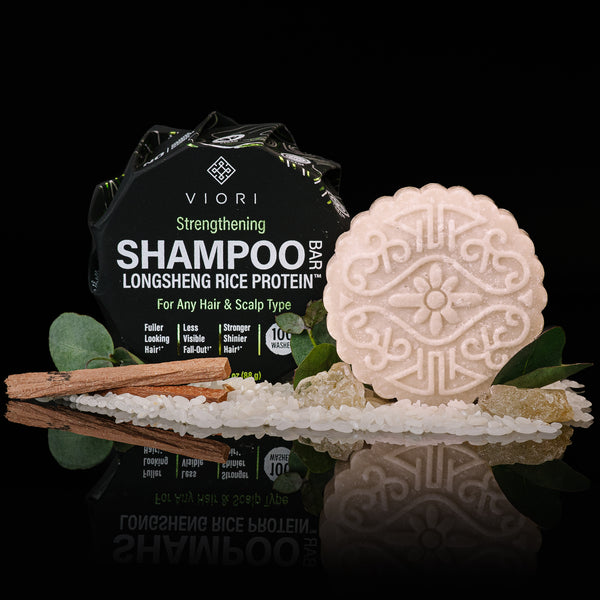
Viori uses a gentle cleanser called Sodium Cocoyl Isethionate (SCI), which is widely known in the haircare world for being mild while still cleansing thoroughly. Viori is also pH balanced, which matters because hair products perform best for most people when they stay within a range that supports scalp comfort and smoother cuticle behavior.
Conditioning isn’t optional if you care about length
One of the easiest mistakes I see is focusing entirely on cleansing while ignoring what comes next. After shampooing, hair is more vulnerable to mechanical damage (sun, heat, water swelling, friction). A good conditioner helps replace slip and protection while your natural oils replenish.
Viori’s conditioner bar includes behentrimonium methosulfate (BTMS), a conditioning ingredient used to improve detangling and smoothness. Despite the name, it’s commonly recognized in haircare as a conditioning agent rather than the harsh cleansing “sulfates” people try to avoid. The practical benefit is simple: less friction, which usually means less breakage.
WHAT CUSTOMERS ARE SAYING
Real reviews for Rice Water Shampoo Bar – All Hair Types | VIORI
Scalp flakes aren’t one issue (so one cleanser won’t solve every case)
Another reason black soap can be hit-or-miss is that “dandruff” gets used as a catch-all word. In reality, flakes can show up for different reasons, and the best approach depends on whether your scalp is oily, dry, or easily irritated.
- Oily scalp flakes: Many people do better with an approach that helps break down oil. Viori often recommends Citrus Yao for oily scalp types, and it contains citric acid, which can help with oil breakdown.
- Dry scalp flakes: A more moisturizing direction is often more comfortable-Viori often points people toward Terrace Garden, Hidden Waterfall, or Native Essence depending on sensitivity and preference.
- Sensitive scalp: If fragrance is a trigger, Native Essence is the unscented option and is typically the gentlest choice.
If you’re going to use any bar on hair: technique matters more than people think
Bar cleansing can be fantastic, but friction is real-especially on color-treated or fragile hair. One technique tweak that makes a noticeable difference is avoiding aggressive rubbing directly on the hair.
- Create lather in your hands first instead of scrubbing the bar on your head.
- Apply with your palms and focus cleansing on the scalp.
- Condition thoroughly from mid-lengths to ends and detangle gently.
- Rinse well and keep handling gentle while the hair is wet (wet hair is more vulnerable).
The bottom line
Black soap isn’t automatically a miracle-or a mistake. The reason it’s so polarizing is that outcomes depend heavily on pH, water hardness, and how much friction your routine creates. If you’ve ever felt like it worked beautifully… until it didn’t, there’s a good chance you were running into a deposit-and-drag issue rather than a simple “my hair hates it” situation.
If you want the simplicity of a bar routine with a formula designed specifically for hair performance, Viori’s pH-balanced shampoo and conditioner bars are a more consistent way to get that clean, healthy feel-without the unpredictability that true soap can bring into the mix.


