
You’re in the shower, you reach for your body wash… and it’s gone. You glance at the shampoo and think, “It cleans hair-so it should clean skin, right?” In a pinch, yes: shampoo can be used as soap. But whether it’s a good everyday habit is a more technical question than most people realize.
As a stylist, I’m less interested in what the bottle (or bar) is labeled and more interested in what the formula is designed to do. Hair is a keratin fiber that benefits from controlled cleansing plus conditioning. Skin is living tissue with a barrier, pores, and a microbiome. Those differences matter-especially after the “it seems fine” honeymoon phase.
NOT SURE WHICH PRODUCT IS RIGHT FOR YOU?
TAKE THE QUIZTakes 30 seconds · 134,000+ customers matched
Soap vs. Shampoo: It’s Not About the Format-It’s About the Chemistry
When most people say “soap,” they mean “anything that gets me clean.” In formulation terms, there are two big categories that behave very differently on skin.
1) Traditional soap (saponified oils)
Classic soap is created when oils react with lye to form soap salts. The key detail: these products often end up more alkaline than skin naturally prefers. That can leave some people feeling tight, dry, or irritated-especially if their skin runs dry or reactive.
2) Shampoo (surfactant-based cleansing)
Most modern shampoos (including many shampoo bars) are built on surfactants-cleansing agents designed to lift oil and buildup without needing an overly high pH. For example, Viori shampoo bars use Sodium Cocoyl Isethionate (SCI) as the primary cleanser. In the industry, SCI is often nicknamed “baby foam” because it tends to produce a creamy lather and is generally considered mild-feeling compared to harsher cleansers.
Another meaningful detail: Viori emphasizes their bars are pH balanced. That matters because very alkaline cleansing can roughen hair over time-and skin tends to prefer a cleanser that doesn’t push it too far out of its comfort zone, either.
The Rarely Discussed Catch: Shampoo Often Cleans and Coats
Here’s the part that almost never gets the attention it deserves: many shampoos aren’t only made to cleanse. They’re also engineered to leave behind a micro-thin conditioning film that helps hair feel smoother, detangle more easily, and look shinier.
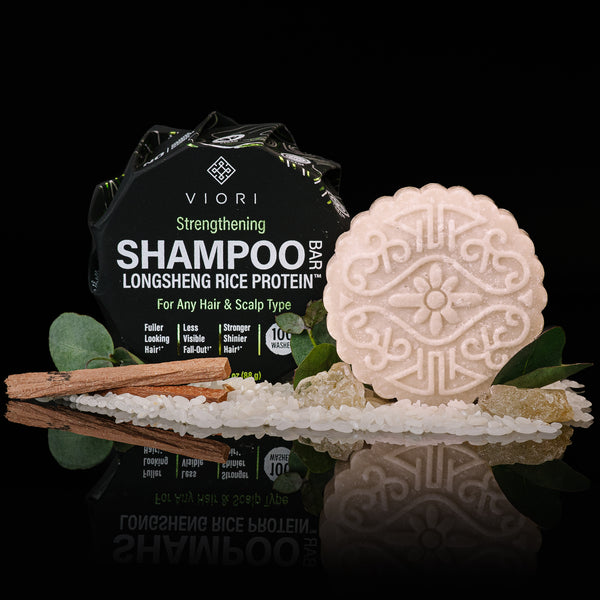
On hair, that’s a win. On skin, it depends on your biology and where you’re using it. If you’re prone to clogged pores on your back or chest, that “silky feel” can sometimes come with an unwanted side effect a few weeks later.
- Week 1: “My skin feels soft-this totally works.”
- Weeks 2-6: Small bumps, itchy patches, or sudden back/chest breakouts that seem to come out of nowhere.
In many cases, it’s not that the cleanser is “too harsh.” It’s that the formula may be leaving more behind than your skin wants-especially if you rinse quickly, shower hot, or tend to sweat.
pH: One Reason Shampoo Can Sometimes Be a Better Substitute Than You’d Expect
Skin naturally sits slightly acidic (often around pH 4.5-5.5). When you cleanse with something significantly more alkaline, you can temporarily increase dryness, sensitivity, and barrier disruption. Because Viori focuses on keeping their bars pH balanced, using a shampoo bar on skin once in a while may feel more comfortable for some people than using a very alkaline cleanser.
That said, pH is only one piece of the puzzle. Your skin type, fragrance sensitivity, and how thoroughly you rinse still matter-a lot.
Fragrance and Sensitivity: Your Scalp May Tolerate What Your Body Won’t
Another nuance people don’t talk about: different areas of your body have different tolerance levels. The scalp is oilier and follicle-dense. Arms and legs are often drier. The back and chest are common breakout zones. So a formula that feels great on your scalp may not behave the same way on your body over repeated use.
If you know you’re sensitive to fragrance, Viori offers an unscented option-Native Essence-that’s free of added fragrance and tends to be the easiest starting point for people who want to minimize risk.
So, Should You Use Shampoo as Soap?
For most people, occasional use is perfectly reasonable. Daily full-body use is where you’ll want to pay closer attention to how your skin responds.
WHAT CUSTOMERS ARE SAYING
Real reviews for Rice Water Shampoo Bar – All Hair Types | VIORI
It’s usually fine if:
- You’re traveling or out of body wash and need a quick substitute
- Your skin isn’t especially reactive or acne-prone
- You rinse thoroughly and don’t let it sit on the skin
Be cautious (or patch test first) if:
- You’re prone to breakouts on your back, chest, or shoulders
- You deal with eczema, psoriasis, or persistent itch and dryness
- You’re fragrance-sensitive and using a scented bar
Viori notes you can use their shampoo and conditioner bars on skin, but it will dissolve the bars faster. They also point out their body wash bars are better suited for skin-because they’re formulated specifically for that job.
If You’re Going to Do It, Do It This Way
If shampoo is what you’ve got, here’s how to use it on skin with fewer downsides-especially if you’re trying to avoid dryness or congestion.
- Keep contact time short: Lather, cleanse, rinse. Don’t let it “soak” on your skin.
- Turn the water temperature down a notch: Hot water makes cleansing feel harsher and increases barrier lipid loss.
- Use your hands, not direct bar scrubbing: Build lather first, then apply. It’s gentler on skin and helps your bar last longer.
- Be strategic about where you use it: Arms and legs are usually easier than back/chest if you’re breakout-prone.
- Moisturize after: If your skin feels tight, that’s your cue to replenish.
The Bottom Line
Yes, shampoo can be used as soap-especially as a short-term solution. The bigger question is whether the formula is designed to leave behind conditioning agents that your skin might not appreciate over time. If you notice dryness, itchiness, or new body breakouts, it’s often not “in your head.” It’s your skin responding to a product that was engineered primarily for hair.
If you want the simplest approach: shampoo-as-soap is a fine emergency move. For daily cleansing, a product made for skin-like a Viori body wash bar-is usually the more reliable long-term choice.


