
When people search for Chinese hair growth products, they’re usually picturing a miracle ingredient-something ancient, herbal, and powerful enough to switch on new growth overnight. In real life (and in the salon chair), the best results tend to come from something less dramatic and far more reliable: a routine that improves scalp comfort, reduces breakage, and helps you keep the length you’re already growing.
Here’s the part that doesn’t get talked about enough online: the difference between a routine that works and one that fizzles out usually isn’t the “hero ingredient.” It’s the delivery system-how the formula manages pH, how it deposits conditioning agents onto the hair, how it respects the scalp barrier, and even how much friction you create while applying it.
The rarely discussed truth: “hair growth” is often actually “length retention”
Your hair grows from the follicle, but what you see in the mirror is a tug-of-war between new growth and what breaks off along the way. If your ends are snapping, your hair can be growing normally and still look like it’s stuck at the same length for months.
NOT SURE WHICH PRODUCT IS RIGHT FOR YOU?
TAKE THE QUIZTakes 30 seconds · 134,000+ customers matched
That’s why many Chinese-inspired routines feel so effective: when they’re done well, they improve the hair’s feel, strength, and manageability-so you lose less length to daily wear and tear.
1) pH: the quiet variable that makes or breaks results
If I could pick one “boring” topic that changes everything, it would be pH. Hair products that are too alkaline can leave the cuticle lifted, which shows up as roughness, frizz, tangling, and more breakage over time. A hair-friendly pH helps the cuticle lie flatter so the hair feels smoother and behaves better.
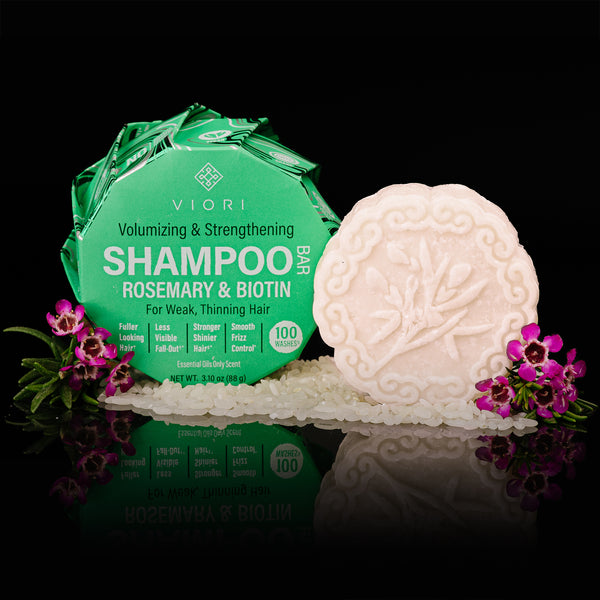
Rice-water-inspired routines can get tricky here. Used too strong or too often, rice water at high concentration can disrupt the hair and scalp’s pH balance. That’s one reason I like the more controlled approach Viori takes: their products use a lower concentration of Longsheng rice water in a pH-balanced format designed for regular use.
What pH support looks like in real life
- Less friction when you detangle
- Less frizz and fewer “mystery flyaways”
- Better shine (a smoother cuticle reflects light)
- Better length retention because hair isn’t catching and snapping as easily
2) Fermented rice water: not magic-just smart chemistry
Rice water is often treated like folklore, but fermentation is a real, functional process. When rice is fermented properly, it can increase levels of hair-relevant nutrients-especially compounds that support the look and feel of stronger, healthier strands.
Viori formulates with fermented Longsheng Rice Water™ and includes hair-supportive components like Vitamin B8 (inositol), Vitamin B5 (panthenol), and hydrolyzed rice protein. These are the kinds of ingredients that don’t just make hair feel nice in the shower; they can improve softness, slip, and resilience-exactly what you want if your goal is longer hair that doesn’t break halfway down.
The nuance most people miss: “more” can backfire
It’s easy to overdo protein or intense treatments when you’re chasing growth. Too much protein support (or too aggressive a routine) can leave hair stiff, brittle, or rough-especially if you’re already dealing with dryness or damage. Viori notes they use a low concentration of rice protein in their bars, designed to be safe for frequent use if needed, which helps reduce the risk of that straw-like, snappy feeling.
3) Substantivity: the “stickiness” that makes hair look thicker and break less
This is a stylist’s favorite topic that almost never makes it into mainstream hair-growth conversations: substantivity, or how well conditioning ingredients deposit onto the hair and stay there.
Damaged hair is often more negatively charged, which means it can respond especially well to conditioning agents that carry a positive charge. This matters because better deposition translates to better slip, easier detangling, and less breakage-especially at the mid-lengths and ends where most “growth journeys” fall apart.
Viori’s conditioner bars include behentrimonium methosulfate (BTMS), a conditioning ingredient known for boosting slip and manageability. Viori also clarifies an important point: despite the name, BTMS isn’t used like harsh cleansing sulfates-it functions as a conditioning agent.
4) Scents aren’t just about scent: scalp type matching is part of the formula
Most people choose a hair product fragrance the way they choose a candle. But performance is often tied to your scalp type-and sometimes even the composition of a scent profile can influence how a product behaves for you.
Viori explains that while their bars share a core formula, the scent profiles can still affect who they suit best. For example, Citrus Yao contains citric acid, which helps break down oil effectively, making it a strong option for normal-to-oily scalps. For normal-to-dry or sensitive scalps, options like Terrace Garden, Hidden Waterfall, or the unscented Native Essence are often a better fit.
A simple way to think about it
- Oily scalp: you typically do best with something that clears oil effectively without stripping
- Dry or sensitive scalp: you typically do best with something more moisturizing and gentle (often unscented if you’re reactive)
5) The bar-format issue nobody warns you about: friction during application
Bar shampoo and conditioner can be incredible-concentrated, travel-friendly, and often more sustainable. But technique matters. If you rub a bar directly onto your hair aggressively, you can create unnecessary friction, which contributes to cuticle disruption, tangling, and breakage.
Viori recommends a technique I also stand behind, especially if your hair is color-treated or fragile: lather in your hands and apply with your palms rather than rubbing the bar directly on your head. It’s a small change that can make a surprisingly big difference in how your hair behaves over time.
6) Scalp barrier first: calm beats “tingly” every day of the week
Many “growth” products market a sensation-cooling, warming, tingling-like it’s proof something is happening. But sensation and results aren’t the same thing. If your scalp gets irritated, your body responds with inflammation, itching, and sometimes reactive oiliness. That’s not a great environment for consistent shedding control or long-term scalp comfort.
WHAT CUSTOMERS ARE SAYING
Real reviews for Rosemary Biotin Shampoo Bar – Thinning Hair | VIORI
One of the most underrated growth strategies is simply keeping the scalp boringly calm for months. Viori’s guidance reflects that mindset, with options like Native Essence for those who are sensitive to fragrance and need a gentler approach.
How to evaluate Chinese hair growth products like a pro
If you want a smarter filter than “this ingredient is ancient,” use this checklist:
- Is it pH balanced for regular use?
- Does it reduce friction (slip, detangling, manageability)?
- Is the protein level appropriate-supportive but not stiffening?
- Is it matched to your scalp type (oily, normal, dry, sensitive)?
- Does your application method protect the cuticle (especially with bar products)?
Where Viori fits into the modern “traditional” hair growth conversation
Viori is a great example of how a traditional inspiration can be translated into a routine that’s easier to maintain. Instead of pushing an overly intense rice-water approach, Viori focuses on a pH-balanced formula with a lower concentration of Longsheng rice water, plus supportive ingredients like inositol, panthenol, and hydrolyzed rice protein. Their cleanser, sodium cocoyl isethionate (SCI), is known for being mild, and their conditioning system is built for slip and manageability-two keys to length retention.
And because hair changes slowly, Viori recommends giving a routine time-often 2-3 months-before deciding if it’s for you. That timeline is realistic: it gives your scalp time to settle and your hair time to show reduced breakage, improved feel, and more consistent length retention.
Stylist tips to get better “growth” results from a good routine
- Shampoo your scalp, not your ends. Let the rinse cleanse the lengths gently.
- Condition mid-length to ends thoroughly. This is where breakage prevention happens.
- Let conditioner sit for a few minutes. Deposit takes time.
- Detangle gently. Start at the ends and work upward with minimal force.
- Reduce mechanical stress. Your hair doesn’t just break from products-it breaks from daily handling.
Bottom line
The best “Chinese hair growth product” isn’t the one with the most dramatic claims-it’s the one that keeps your scalp comfortable, keeps your cuticle smooth, reduces friction, and supports stronger strands day after day. When those pieces are in place, your growth becomes visible, because you’re finally holding onto it.


