
Does your hair seem to reject every conditioner you try? Do water droplets bead up on your strands like rain on a window, and does "moisturizing" usually end in a greasy, stiff mess? If this sounds familiar, welcome to the club. You likely have low porosity hair. For years, the advice has been all wrong, leaving folks like you frustrated. As a stylist with twenty years in the chair, I'm here to tell you it's not you-it's the approach. Let's ditch the one-size-fits-all advice and finally understand how to work with your hair's unique architecture.
NOT SURE WHICH PRODUCT IS RIGHT FOR YOU?
TAKE THE QUIZTakes 30 seconds · 134,000+ customers matched
What Low Porosity Really Means: It's All in the Cuticle
Think of each strand of your hair like a roof. For most people, the shingles (called cuticles) have a little lift, allowing moisture to seep in. Low porosity hair has cuticles that lay incredibly flat and tight, like perfectly sealed shingles. This creates a strong, protective barrier that's great for resisting damage but terrible for letting anything in. That's why products sit on top and water rolls right off. Your hair isn't being stubborn; it's structurally sealed.
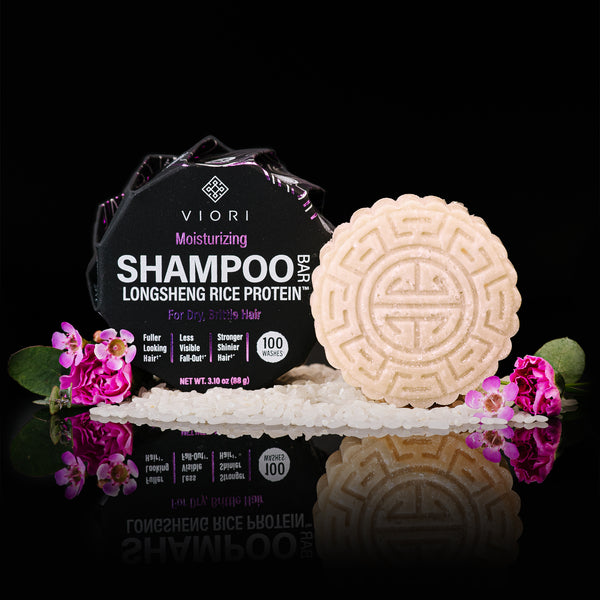
The Product Trap: Why "Rich" Formulas Backfire
This is the heart of the frustration. You reach for a rich cream or heavy oil promising deep hydration. Instead of softness, you get a coated, limp, or oddly crunchy feeling. Here's the science: those heavy ingredients have large molecules that simply cannot penetrate that tight cuticle layer. They form a film on the surface, which then blocks everything else-even water-from getting through. You're not adding moisture; you're building a wall.
Your New Shopping List: Lightweight & Penetrating
Forget "heavy" and start thinking "lightweight and smart." The ingredients that will work for you are small and strategic:
- Hydrolyzed Proteins: The key word is "hydrolyzed," meaning broken down into tiny fragments small enough to slip between those tight cuticles and strengthen hair from the inside.
- Liquid-Light Oils: Look for silky oils like rice bran oil that add shine and slip without the suffocating weight of heavier butters.
- pH-Balanced Bases: Hair is healthiest at a slightly acidic pH. Balanced formulas respect this, keeping cuticles smooth and prepped for absorption, unlike harsh alkaline products that can cause damage.
Wash Day, Done Right: Your Step-by-Step Routine
The perfect product won't work without the perfect technique. This is where the magic happens.
WHAT CUSTOMERS ARE SAYING
Real reviews for Moisturizing Rice Water Shampoo Bar – Dry Scalp | VIORI
- Cleanse with Purpose: Use a gentle, effective shampoo. Your goal is to remove all surface buildup without harsh stripping, which can disrupt your scalp. A clean slate is non-negotiable.
- Soak Before You Seal: Before applying conditioner, your hair must be soaking wet. Dripping. This water acts as a primer, helping to plump the strand and give ingredients a pathway inward.
- Apply & Activate: Use a modest amount of a lightweight conditioner. Then, apply gentle heat-a warm towel or a steamy shower cap for a few minutes. This mild warmth helps encourage the cuticles to relax just enough.
- The Cool Lock: Rinse thoroughly with cool water. This final step helps smooth and close the cuticles, sealing in whatever goodness you've managed to get inside.
The Long Game: Patience and Consistency
Transforming low porosity hair isn't about a single miracle treatment. It's a commitment to a new philosophy: strategic hydration over forced moisture. It's about consistent, gentle care with formulas designed for penetration, not just surface coating. When you get it right, the results are undeniable: hair that is strong, naturally shiny, manageable, and finally feels as healthy as it looks. Stop fighting your hair's nature and start working with it. Your most hydrated, vibrant hair is waiting.


