
If you’ve ever gone down the dreadlock care rabbit hole, you’ve seen the same two commandments repeated everywhere: use “residue-free” shampoo and never use conditioner. They sound simple. They’re also the reason a lot of people end up with itchy scalps, dull locks, slow-drying hair, and that “I just washed it… so why does it feel off?” frustration.
Here’s the reality I’ve learned after years of working with textured, coily, and locked hair: dreadlocks don’t behave like loose hair. They behave more like a dense, absorbent rope. The outside rinses quickly. The inside has its own timeline. And once you understand that, shampoo and conditioner choices become a lot less confusing-and your results get a lot more consistent.
The real issue isn’t “residue.” It’s what gets trapped.
When most people say “residue,” they mean product you can see or feel sitting on the hair. With dreadlocks, the bigger issue is what I call entrapment: product, minerals, and oils that make their way into the lock and don’t fully rinse out of the core. Your locks can feel clean on the surface, but still hold onto microscopic buildup inside.
Over time, entrapment can show up as:
NOT SURE WHICH PRODUCT IS RIGHT FOR YOU?
TAKE THE QUIZTakes 30 seconds · 134,000+ customers matched
- slower drying (the #1 silent troublemaker for locks)
- persistent dullness or heaviness
- more lint attraction, especially on the outer shell
- odor that returns quickly after wash day
- scalp irritation that doesn’t match how “clean” your hair looks
So the real question isn’t just, “Does this shampoo leave residue?” It’s: will this rinse cleanly from the inside of a dreadlock?
pH: the dreadlock factor almost nobody talks about
If there’s one technical detail that deserves way more attention in lock care, it’s pH. When hair products are too alkaline, the cuticle can lift more easily. That can lead to roughness, frizzier surfaces, more snagging, and gradual dryness over time.
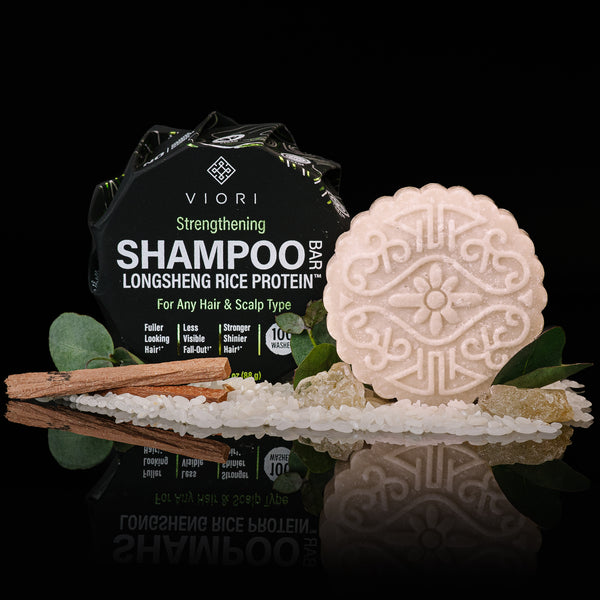
With dreadlocks, you’re maintaining a structure for months and years-not just styling for the day. That’s why I like that Viori bars are pH balanced. It’s a behind-the-scenes detail, but it matters for long-term manageability: smoother feel, less brittle behavior, and a lock surface that doesn’t turn into a lint magnet.
Why the cleanser matters more than you think
A lot of dreadlock routines lean on aggressive cleansing because the fear of buildup is real. The problem is that harsh cleansing often starts a cycle: your scalp gets stripped, then it overcorrects by producing more oil (or it gets irritated and flakes), and suddenly you’re washing more often-and scrubbing harder.
Viori shampoo bars use Sodium Cocoyl Isethionate (SCI) as the cleanser. In professional terms, SCI is known for being mild but effective-it cleans without that scorched, squeaky feeling that can throw the scalp off balance. For locks, that’s not just comfort. A calmer scalp often means you can keep a steadier routine without over-washing and over-manipulating.
Conditioner and dreadlocks: the rule is “not like that,” not “never”
I’m going to say the quiet part out loud: conditioner isn’t automatically the enemy of dreadlocks. The real issue is where people apply it, how much they use, and how thoroughly they rinse.
Conditioner is designed to reduce friction and coat the hair slightly so strands glide instead of catching. That’s fantastic for loose hair. With locks, too much conditioning-especially near the base-can:
- slow down drying close to the scalp
- create a “coated” feel that attracts lint over time
- soften the root area if you’re trying to keep it neat and crisp
Viori conditioner bars use Behentrimonium Methosulfate (BTMS) as a conditioning agent. Despite the name, this isn’t a harsh cleansing sulfate. It’s a cationic conditioner (positively charged), which means it’s naturally drawn to hair and helps with softness and slip. That’s exactly why it works-and also why locks need a lighter hand and a longer rinse.
The “microclimate” inside a lock: drying time is your KPI
If your dreadlocks frequently smell musty, feel heavy, or seem “off” the day after washing, you may not have a product problem-you may have a drying problem. Locks hold water. And anything that increases water retention inside the core can create a little internal microclimate where things don’t feel fresh for long.
That’s why, for dreadlocks, the best shampoo-and-conditioner setup supports three outcomes:
- clean scalp without triggering rebound oil or irritation
- minimal trapped film inside the lock
- fast, complete drying after wash day
Protein + fermented rice water: support strength without making locks crunchy
Locks often include older hair through the mids and ends, and that hair lives a tougher life: friction from clothing, compression during sleep, UV exposure, and longer wet-to-dry cycles. That’s why strengthening support can be useful-as long as it doesn’t turn the hair stiff.
Viori bars are made with Longsheng Rice Water™, plus hydrolyzed rice protein and nutrients associated with fermented rice like vitamin B8 (inositol) and vitamin B5 (panthenol). The nice part is that Viori uses a lower concentration of rice water/protein, because overly high concentrations can disrupt pH if used too often. For locked hair, that balance matters: you want support and shine, not brittle “protein overload” behavior.
Choose by scalp type, not by lock type
When people ask me which shampoo or conditioner is “best for dreadlocks,” I usually answer with another question: what is your scalp doing? Your scalp drives most of the issues you feel day to day-oiliness, itch, flakes, and how often you feel you need to wash.
Viori’s guidance breaks down scalp types in a simple way:
- Oily scalp: feels oily 1-2 days after washing
- Normal scalp: feels oily around day 3
- Dry scalp: feels oily 4+ days after washing
From there, many people do well with:
- Citrus Yao for normal-to-oily scalps (the citrus profile includes citric acid, which helps break down oil)
- Terrace Garden, Hidden Waterfall, or Native Essence for normal-to-dry scalps
- Native Essence as the go-to if you’re sensitive to fragrance (it’s unscented)
How to use shampoo and conditioner bars on dreadlocks (without creating product pockets)
This is the part that changes everything: for locks, technique matters as much as the formula. The goal is to avoid concentrated bits of product lodging inside the lock.
Shampoo: scalp first, always
Soak your scalp and locks thoroughly. Give the water time to penetrate.
Create lather in your hands with the shampoo bar-don’t grind the bar directly into your locks.
Massage the lather into your scalp using the pads of your fingers.
Let suds rinse through the lengths. If needed, gently squeeze along the outside of the locks rather than scrubbing the cores.
Rinse longer than you think you need to. With locks, an “extra minute” is rarely extra.
Conditioner: optional, targeted, and rinsed like you mean it
Warm the conditioner between your hands (or emulsify a small amount) before applying.
Focus on lengths and ends, especially if they feel rough or overly fuzzy.
Avoid loading conditioner at the base if you’re trying to keep roots tight and quick-drying.
Rinse thoroughly, then squeeze out water to speed up drying.
The bottom line: treat dreadlocks like a rope with an inner core
If you remember one thing, make it this: dreadlocks have an inside and an outside. The outside shows you what’s happening today. The inside tells you what your routine is doing over time. When you choose pH-balanced cleansing, keep your scalp calm, and condition with intention (not habit), locks tend to feel lighter, dry faster, and stay fresher longer.
WHAT CUSTOMERS ARE SAYING
Real reviews for Rice Water Shampoo Bar – All Hair Types | VIORI
Viori’s bar approach-pH balanced, made with a mild cleanser (SCI), and conditioning chemistry that can be used strategically-fits well into that scalp-first, rinse-clean, dry-completely philosophy that dreadlocks thrive on.
Note: If you have persistent scalp irritation, unusual shedding, or a medical scalp condition, it’s best to consult a qualified healthcare professional. And if you’re sensitive to ingredients or fragrance, patch testing is always a smart move.


