
Homemade shampoo sounds like the ultimate win: simple ingredients, less waste, and a routine that feels more “natural.” And sometimes, at the beginning, it really does feel amazing-your hair is lighter, your scalp feels fresh, and you think, “Why didn’t I do this sooner?”
But here’s what I’ve seen again and again in the salon over the last 20 years: many DIY shampoo routines don’t fail because the ingredients are “bad.” They fail because hair is a material-keratin fiber with a surface structure-and it responds to pH, charge, water chemistry, friction, and residue. When those variables aren’t controlled, hair doesn’t just look a little off-it can slowly become dull, frizzy, tangly, and breakage-prone.
This post is a deep (but readable) look at what’s really happening when homemade shampoo works…until it doesn’t. I’ll also share how a pH-balanced bar system like Viori avoids many of the common DIY traps while keeping the routine minimal and low-waste.
Why Homemade Shampoo Often Has a “Honeymoon Phase”
A lot of people experience an initial boost when they switch to homemade shampoo-then a slow slide into frustration. The pattern is so common it’s practically predictable.
- Weeks 1-2: Hair feels extra clean, airy, and “reset.”
- Weeks 3-8: Ends start feeling rough; frizz and tangles ramp up.
- Months later: Hair looks dull, snaps more easily, and the scalp can feel tight or oddly oilier than before.
What changed isn’t your hair type. Usually it’s the cumulative effects of pH drift, mineral buildup, cuticle wear, and inconsistent cleansing/conditioning.
NOT SURE WHICH PRODUCT IS RIGHT FOR YOU?
TAKE THE QUIZTakes 30 seconds · 134,000+ customers matched
Hair and Scalp Don’t Play by the Same Rules
Your scalp is living skin. It has an acid mantle, an oil cycle, and a microbiome that can get cranky when it’s stripped or irritated. Your hair lengths, on the other hand, are dead keratin fiber-once they’re damaged, they don’t heal. They can only be protected, smoothed, or (eventually) trimmed.
That means shampoo has to do two jobs that pull in opposite directions:
- Scalp: remove sebum, sweat salts, pollution film, and styling residue without triggering irritation or rebound oiliness.
- Lengths/ends: cleanse without swelling the fiber too much, lifting the cuticle, or increasing friction.
Most homemade shampoos treat your whole head the same, which is why you’ll often end up with a clean scalp and crispy ends-or soft ends with roots that never feel truly fresh.
The Biggest Technical Issue: pH (And the “Cuticle Lift Debt” Nobody Mentions)
If your hair has ever felt squeaky after washing, that’s not a gold star for cleanliness. That squeak is often your hair telling you the surface is too “grippy”-which usually points to a roughened cuticle, missing surface lipids, or both.
Here’s the important part: the hair cuticle is made of overlapping layers, like shingles. When pH is too high (more alkaline), hair tends to swell and the cuticle edges can lift. Lifted cuticles raise friction, which leads to:
- more tangling and breakage (especially during detangling)
- more frizz and dullness
- faster color fading due to increased permeability
Even if you “fix” it with an acidic rinse after, repeated cycles can add up. I call it cuticle lift debt: small, repeated lift-and-rub moments that slowly rough up the surface until hair becomes harder and harder to keep smooth.
This is why pH-balanced haircare matters in real life. Viori’s FAQs specifically call out the importance of keeping products pH balanced because consistently alkaline products can dry hair out and contribute to long-term damage.
“Natural Cleansing” Isn’t a Single Thing-Surfactant Chemistry Changes Everything
Shampoo works because of surfactants-cleansing agents that form micelles, lift oil and debris, and rinse clean. Many DIY recipes skip true shampoo chemistry and lean on alternatives that behave very differently on hair.
One of the biggest troublemakers in homemade shampoo routines is using cleanser systems that aren’t designed to rinse clean in real-world conditions (especially in hard water). When that happens, people get trapped in a cycle: hair doesn’t lather well, so they use more product, which leaves more residue, which makes the hair feel heavier…and the lather gets even worse.
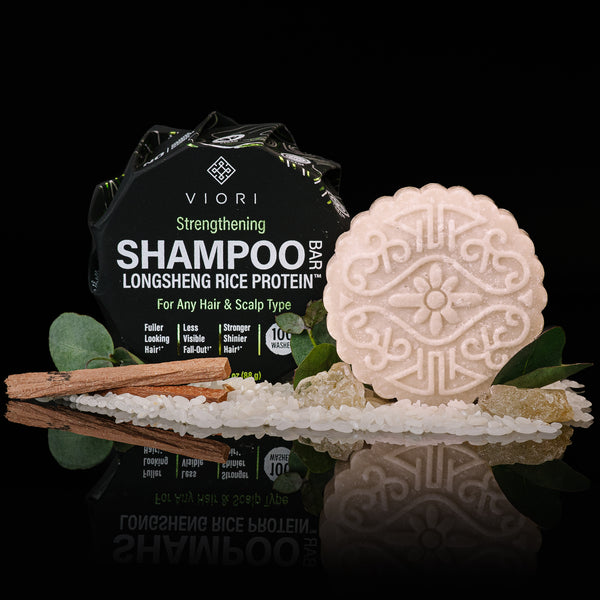
Viori’s shampoo bars use Sodium Cocoyl Isethionate (SCI), a mild cleanser derived from coconut (not coconut oil). In practice, this matters because it allows a solid shampoo format to cleanse effectively without relying on an overly alkaline soap-style approach.
The Sneaky Problem: Hard Water Can Turn “Clean” Into “Coated”
If you have hard water, you can have the best intentions and still end up with hair that feels waxy, stiff, or strangely heavy. Hard water contains minerals like calcium and magnesium that can interact with certain cleansing systems and create a film on hair.
That film can show up as:
- waxy roots that never feel fully clean
- dullness and reduced shine
- rough mid-lengths that snag easily
- less lather, especially over time
One nuance that doesn’t get enough attention: porous hair tends to hold onto mineral deposits more stubbornly because the surface is already uneven. Those minerals can lodge into the rough spots and amplify tangling and dryness.
Protein and Ferments: Great Idea, Easy to Overdo
DIY haircare loves rice water and “strengthening” add-ins-and there is legitimate science behind fermented rice components supporting the look and feel of hair. But the dose matters, and the pH environment matters even more.
Viori’s FAQs explain that they use a lower concentration of Longsheng rice water because high concentrations of rice water used too often can disrupt hair and scalp pH. Their approach is designed to deliver similar benefits while keeping the formula safe and pH balanced for regular use.
When homemade routines go too heavy on protein or ferments, the results can be confusing: hair can feel stiff, rough, or brittle-and people assume they need more oil. In reality, they may need less protein, better pH control, and more slip.
Conditioner Isn’t Just “Moisture”-It’s Charge and Slip
Here’s the part I wish every DIY shampoo post explained: conditioner isn’t only about softness. It’s also about physics. Hair tends to carry a negative charge, especially when it’s damaged. Many conditioning agents are positively charged, which helps them cling to the hair fiber and reduce static and friction.
Viori’s FAQs describe this well: conditioner is positively charged and can help replace what washing removes, improving protection and manageability. Without a true conditioning step, the hair can be clean but mechanically fragile-meaning it breaks more easily during combing, towel-drying, or styling.
The Unique Angle Most People Miss: Friction Damage
Even with a “perfect” product, technique matters. With homemade routines, mechanical wear is a huge piece of the puzzle-and it’s rarely discussed.
Common friction issues include:
WHAT CUSTOMERS ARE SAYING
Real reviews for Rice Water Shampoo Bar – All Hair Types | VIORI
- scrubbing the scalp aggressively (especially when hair is swollen during washing)
- rubbing solid cleansers directly down the lengths
- repeatedly cleansing the ends instead of letting runoff do the work
Viori even recommends a technique that I also encourage in the salon, especially for color-treated hair: build lather in your hands and apply with your hands rather than rubbing the bar directly on your head. It reduces friction and helps protect the cuticle.
If You’re Committed to DIY, Here’s the Realistic Checklist
If you love the idea of homemade shampoo, I’m not here to talk you out of it-I just want you to do it with your eyes open. A hair-smart homemade approach needs more than a “recipe.” It needs a system.
- Measure pH (don’t guess).
- Use a cleansing system designed for hair (not a high-alkaline workaround).
- Account for hard water if it applies to you.
- Build in real slip/conditioning so friction doesn’t eat your ends alive.
- Cleanse the scalp; let runoff handle most of the lengths.
- Be mindful of shelf stability and safety for any water-based mixture.
That’s a lot of moving parts-because shampoo is closer to skincare formulation than it is to kitchen craft.
Why Many People Choose a pH-Balanced Bar System Instead
If the real goal behind homemade shampoo is “simpler, lower-waste, gentle, consistent,” a well-formulated bar routine can be the sweet spot. You get the minimalism without the unpredictability.
Viori’s bars are designed to be pH balanced, silicone-free, and aligned with a more mindful approach to ingredients and packaging. They also offer options that match different scalp needs, which matters more than most people realize:
- Citrus Yao: often recommended for normal-to-oily scalps (their FAQs note it’s helpful for oil control).
- Terrace Garden and Hidden Waterfall:
- Native Essence:
And if you’re transitioning from another routine, give your hair time to tell the truth. Viori’s FAQs recommend allowing 2-3 months before giving up, and in my experience, that timeline makes sense-especially if you’re also dealing with buildup, hard water, or damage that needs time to smooth out.
The Bottom Line: “Squeaky Clean” Isn’t the Goal
Your best hair doesn’t come from the strongest cleanse. It comes from controlled cleansing, controlled conditioning, and minimal friction. If homemade shampoo is working for you-amazing. But if you’re noticing squeak, waxiness, stiffness, frizz, or breakage creeping in, it’s a sign the underlying chemistry and mechanics need adjusting.
If you want help choosing the right direction, start with two basics: how quickly your scalp gets oily after washing, and your hair porosity (the float test). Those two details can completely change what “works” for you-whether you stay DIY or switch to a pH-balanced bar routine like Viori.


