
Solid shampoo can be one of the best upgrades you make in your hair routine-or one of the most confusing. I’ve seen both outcomes firsthand. When a shampoo bar “doesn’t work,” it’s rarely because the bar is bad. It’s usually because people use it like a bar of soap: scrub it directly on the hair, rinse too fast, then wonder why their roots feel weird and their ends feel tangled.
The truth is, solid shampoo is less forgiving than liquid shampoo because you create the lather and dilution in real time. Once you learn the technique, though, bars can leave hair feeling airy, clean, and surprisingly soft.
First, Understand What Makes Solid Shampoo Different
With liquid shampoo, the product is already evenly dispersed in water. With a bar, you’re working with a concentrated cleanser that only becomes “shampoo” once you add enough water and movement to emulsify it properly.
Viori shampoo bars are made to be pH balanced, which matters more than most people realize. When hair products run too alkaline, the cuticle can stay raised, leading to roughness, tangling, dullness, and that “squeaky” feeling no one actually wants.
NOT SURE WHICH PRODUCT IS RIGHT FOR YOU?
TAKE THE QUIZTakes 30 seconds · 134,000+ customers matched
The Unique Problem Nobody Explains: Your “Lather Dilution” Is in Your Hands
Here’s the concept that clears up most bar-shampoo frustrations: the concentration of cleanser hitting your scalp changes moment by moment.
If you apply the bar directly and don’t add enough water, the cleanser can be too concentrated in one area. If you add too much water too early, you may end up with a thin, slippery lather that feels nice but doesn’t remove oil well-so you rinse and your scalp still feels off.
Your goal is a lather that feels creamy and spreadable-not airy foam, not a sticky paste.
How to Use Solid Shampoo Like a Pro
Step 1: Fully saturate your hair and scalp
Give your hair a real soak before you even touch the bar. For most people, that’s 30-60 seconds.
- Why it matters: Water starts loosening surface oil and helps the lather spread without dragging.
- If you have thick hair: Part it in a couple sections and aim the water directly at the scalp.
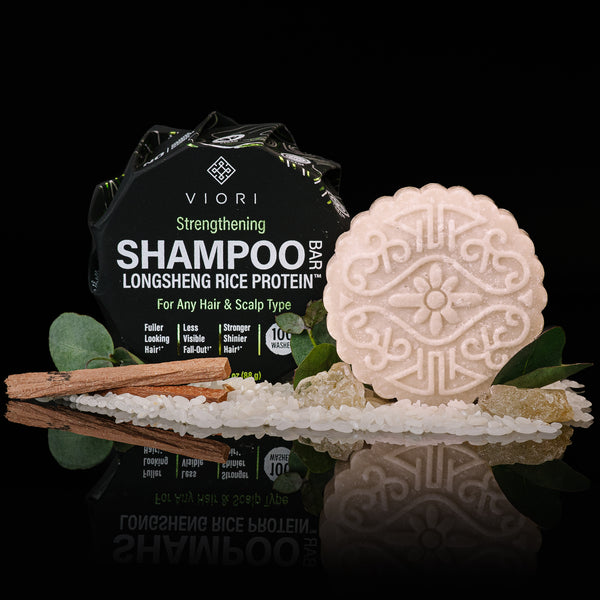
Step 2: Build lather in your hands (instead of scrubbing the bar on your head)
If I could only give you one tip, it would be this. Using a bar directly on the scalp often creates unnecessary friction and uneven product placement.
- Wet the bar and your hands.
- Rub the bar between your palms for 5-10 seconds.
- Add a few drops of water and rub your hands together to expand the lather.
- Apply that lather to your scalp with your fingers.
This matters even more if your hair is color-treated. Viori also recommends working with lather in your palms rather than rubbing the bar directly on the head to help reduce friction, which can be helpful for preserving color.
Step 3: Cleanse your scalp like skincare
Shampoo is for your scalp; the lengths generally get cleaned by the rinse-through.
- Use fingertips, not nails.
- Massage in small circles and short back-and-forth motions.
- Work in zones: hairline, temples, crown, back of head, nape.
Take 45-90 seconds here. Most people don’t give the cleanser enough contact time, then compensate by using more product (and creating more friction).
Step 4: Add water before you add more product
If the lather feels like it’s “stuck” and not spreading, don’t assume you need more shampoo. Usually you need more water.
Add water in two or three small rounds while you massage. This helps you hit the sweet spot: enough cleansing power to lift oil and buildup, without over-concentrating product in one place.
Step 5: Rinse longer than you think you need to
Bar users often under-rinse, especially around the nape and behind the ears. Give yourself at least 60 seconds, and longer if you have dense hair.
- Lift sections and rinse underneath.
- Use your fingers to part hair so water reaches the scalp.
- Rinse the hairline thoroughly (it’s a common “leftover lather” zone).
Do You Need to Shampoo Twice?
Not always-but it can be a game changer when your hair has more oil, product buildup, or you’ve gone longer between washes.
Think of it this way: the first cleanse breaks up oils and debris; the second cleanse actually finishes the job. If your second pass lathers faster and feels “lighter,” that’s a sign your scalp is getting cleaner.
Conditioner Isn’t Just “Nice”-It’s Protective
When you cleanse, you remove some natural sebum that acts like a built-in shield for the hair fiber. Conditioner steps in to temporarily replace slip and protection, which helps reduce tangling and breakage.
Viori’s conditioner bar uses positively charged conditioning ingredients that cling to hair-especially where it’s more vulnerable-improving slip and helping the cuticle lie flatter.
- Apply from mid-lengths to ends first.
- Let it sit for a couple minutes if your hair tends to frizz.
- Only bring conditioner closer to the scalp if your scalp genuinely needs it.
If Your Hair Feels “Waxy,” Here’s What’s Usually Happening
When people say solid shampoo leaves residue, it’s often one of these (and they’re all fixable).
WHAT CUSTOMERS ARE SAYING
Real reviews for Rice Water Shampoo Bar – All Hair Types | VIORI
- Rinse wasn’t thorough: Extend rinse time and rinse in sections.
- Too much product at the roots: Switch to palm-lathering and add water in stages.
- Hard water effects: Minerals can change how hair feels after cleansing-often making it seem coated even when it’s clean.
- Existing styling buildup: Sometimes you need one reset wash approach before your routine feels “normal” again.
The “Friction Budget”: How Bar Technique Can Affect Breakage
This is the part most advice skips. Hair can only tolerate so much mechanical wear-especially when it’s wet (that’s when strands are most elastic and most vulnerable).
Solid shampoo can be incredibly gentle, but only if you control friction. The biggest friction reducers are:
- Build lather in hands instead of dragging the bar over hair.
- Massage the scalp rather than scrubbing lengths.
- Add water gradually to keep the lather spreadable.
- Condition well to restore slip and reduce snagging.
Simple Routines You Can Copy
Normal scalp routine
- Saturate hair and scalp for 45 seconds.
- Palm-lather for 5-10 seconds.
- Massage scalp for 60 seconds, adding water twice.
- Rinse for 60-90 seconds.
- Condition mid-lengths to ends, let sit 2-5 minutes, then rinse.
Oily scalp routine
If your scalp feels oily within 1-2 days after washing, you may do best with two shampoo passes. Viori often recommends Citrus Yao for normal-to-oily scalps because citrus components (including citric acid) can help break down oil effectively, which may help you stretch time between washes.
Dry or sensitive scalp routine
If your scalp feels tight, itchy, or dry, focus on gentle massage and avoid overly hot water. Viori’s Native Essence (unscented) is commonly a great fit for fragrance sensitivities and delicate scalps.
Storage Is Part of Using Solid Shampoo
If your bar sits in water, it softens, over-dispenses product, and disappears faster than it should. Let it dry fully between uses. Viori’s bamboo holders are designed to keep bars lifted so they can air out-just place them away from direct spray and heavy steam for best results.
Bottom Line
Solid shampoo works beautifully when you treat it like a professional service: saturate well, control dilution, minimize friction, rinse thoroughly, and condition with intention. If you do those things, the bar stops feeling “different” and starts feeling like the simplest routine you’ve had in years.


