
If you’ve ever bought a “hydrating shampoo” only to end up with hair that still feels dry (or somehow both dry and weighed down), you’re not alone. I see this constantly in the salon: people aren’t doing anything wrong-most of the time, they’ve just been sold the wrong idea of what hydration means for hair.
Here’s the truth: hair doesn’t hydrate the way skin does. Great hair days don’t come from piling on richer and richer ingredients. They come from a cleanser that’s engineered to protect the hair fiber, keep the cuticle calm, and maintain a healthy scalp environment so moisture can actually stay where you want it-inside the hair.
Hydration vs. Moisture: The Mix-Up That Wrecks Results
Let’s separate two words that get tossed around like they mean the same thing.
NOT SURE WHICH PRODUCT IS RIGHT FOR YOU?
TAKE THE QUIZTakes 30 seconds · 134,000+ customers matched
- Hydration is the amount of water your hair can absorb and hold within the strand.
- Moisturizing/conditioning is what helps hair feel softer and look shinier-mostly by smoothing the cuticle and reducing friction.
This is why you can use something that feels “super moisturizing” and still struggle with frizz and dryness. If the cuticle is roughed up, water moves in and out too quickly and hair never settles into that silky, hydrated state.
The Moisture Paradox: When Washing Makes Hair Drier Over Time
This is the angle most people never hear about: every time your hair gets wet, it swells. Every time it dries, it shrinks. That’s normal. The problem is when cleansing pushes hair into bigger, harsher swelling cycles-especially if your hair is color-treated, heat-styled, or naturally high porosity.
Over time, that repeated swelling and shrinking can lead to a rougher cuticle, more tangling, more frizz, and hair that feels chronically thirsty. In other words, the “hydrating shampoo” you’re using may be cleaning, but it could be setting your hair up to lose moisture faster after you rinse.
What tends to make the swelling problem worse?
- Unbalanced pH (especially products that lean too alkaline)
- Over-cleansing that strips away protective lipids
- High friction (scrubbing lengths aggressively, rough towel drying, or rubbing a bar directly on the hair)
- Existing damage that leaves the cuticle lifted or chipped
What a Truly Hydrating Shampoo Is Designed to Do
A genuinely hydrating shampoo isn’t a “heavy” shampoo. It’s a shampoo that cleans efficiently without forcing your hair and scalp into a stressed-out state.
- It works at a hair-friendly pH so the cuticle doesn’t stay lifted.
- It uses a cleanser system that’s effective but gentle, so you don’t need multiple harsh passes.
- It helps reduce that squeaky, rough feeling that usually signals high friction on the hair surface.
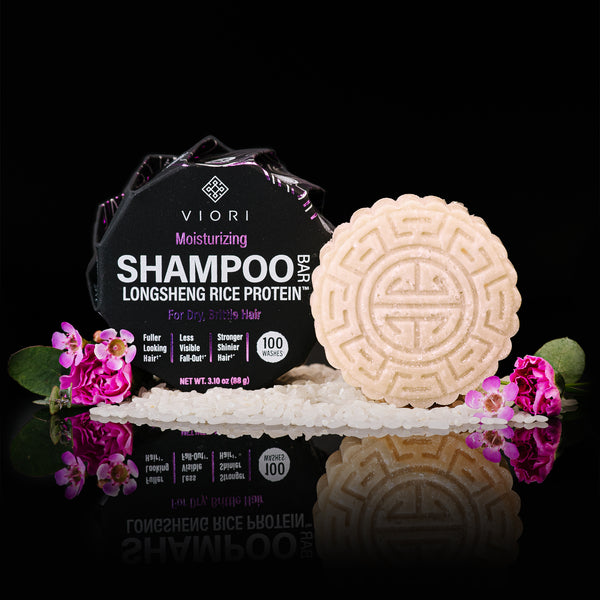
Viori puts a lot of emphasis on their bars being pH balanced, which is a big deal for anyone who’s trying to keep hair smoother, calmer, and less frizz-prone over time. Their shampoo bars also use Sodium Cocoyl Isethionate (SCI), a mild cleanser often nicknamed “baby foam” in the industry because it’s known for being gentler than many traditional cleansing systems.
Why “Hydrating” Often Comes Down to What You Don’t Strip Away
When clients tell me their hair feels dry after washing, I’m usually thinking about what got removed that shouldn’t have been. Overly aggressive cleansing can strip away:
- the scalp’s protective barrier lipids (hello, tightness and irritation)
- the hair’s surface lubrication (hello, tangles and dullness)
- the “buffer” of softness you were relying on (so hair suddenly feels worse)
That squeaky-clean sensation some people chase can be misleading-it often means the hair surface has been left with too much friction, and friction is one of the fastest routes to roughness and moisture loss.
The Slip Factor: The Smart Chemistry Behind Softer Hair
Here’s a more technical detail that matters: hair-especially damaged hair-often carries a negative charge. Many conditioning ingredients are positively charged, which helps them cling to the hair and reduce static, friction, and roughness.
Viori uses Behentrimonium Methosulfate (BTMS) in their formulas. Despite the word “methosulfate,” BTMS is commonly used as a conditioning agent (not a harsh cleansing sulfate). In practical terms, that means better slip, less dragging, and a smoother feel-exactly what you want if your goal is hydration retention, not just temporary softness.
Humectants in Shampoo: Helpful, but Not the Whole Story
Humectants (like glycerin) get a lot of attention because they attract water. They can be useful during cleansing for glide and softness. But shampoo is a rinse-off product, so humectants alone rarely “solve” hydration long-term.
Long-term hydration depends much more on cuticle condition, pH balance, and what you do after you rinse-especially conditioning.
Porosity: The Personal Detail That Changes Everything
When someone says “my hair is dry,” my next question is always: what’s your porosity? Because low-porosity dryness and high-porosity dryness are completely different problems.
Low porosity hair (often feels dry, but resists water)
- Water and product have a harder time getting in.
- Buildup can happen easily, which makes hair feel dull and “coated.”
In their FAQs, Viori notes that low porosity hair often does best with lighter, more cleansing options and avoiding heavy oil layering that can contribute to buildup.
High porosity hair (absorbs fast, loses fast)
- Water rushes in quickly, then escapes just as fast.
- Frizz is common because the cuticle is less orderly.
Viori also addresses this directly: high porosity hair often benefits from more focused support, plus gentle handling and consistent conditioning to help hair feel smoother and retain moisture longer.
Yes, Even “Scent” Can Affect Performance
Most people assume scent is just for enjoyment. But in some formulas, small differences can change how the bar behaves on the scalp.
WHAT CUSTOMERS ARE SAYING
Real reviews for Moisturizing Rice Water Shampoo Bar – Dry Scalp | VIORI
Viori explains that Citrus Yao contains citric acid, which helps break down oil more effectively-one reason it’s commonly recommended for normal-to-oily scalps. For hair that leans drier, more moisturizing options like Terrace Garden or Native Essence are often a better match.
The Salon Move That Works: Split Your Routine (Scalp vs. Ends)
If your roots get oily quickly but your ends feel dry, using one “all-over” solution can be frustrating. A smarter approach is to treat your scalp and lengths like two different zones.
- Cleanse the scalp according to oil level.
- Condition the mid-lengths and ends according to dryness and porosity.
This approach lines up with Viori’s guidance for an oily scalp with dry ends: use a more oil-targeted shampoo option on the scalp, then use a more moisturizing conditioner option on the ends.
Technique Matters More Than People Want to Admit (Especially With Bars)
You can have the best formula in the world and still end up with dryness if your wash method creates too much friction.
- Lather in your hands first. Viori recommends building lather in your palm and applying with your hands rather than rubbing the bar directly on your head-this helps reduce friction, which is especially important for color-treated hair.
- Focus shampoo on the scalp. Let the suds rinse through the lengths instead of scrubbing the ends.
- Rinse thoroughly. Residue and leftover cleanser can make hair feel rough and dull.
- Condition with intention. Conditioner helps protect the strand after cleansing-Viori notes that conditioner’s positive charge helps it adhere to the hair and provide a protective effect while natural oils replenish.
A Modern Definition of Hydrating Shampoo
If I could put “hydrating shampoo” into one professional sentence, it would be this: a hydrating shampoo is a cleanser that keeps hair and scalp clean while minimizing cuticle disruption, friction, and moisture loss.
When you get that combination right-especially with a pH-balanced formula and a thoughtful wash technique-hair doesn’t just feel better for a day. It starts behaving better week after week.


