
“Raw sugar shampoo” sounds like it should be a slam dunk: simple, natural, and gentle. But after 20 years of working with every scalp type and hair texture you can imagine, I can tell you this-whether it’s “good” has a lot less to do with the word sugar and a lot more to do with what the formula does to your scalp’s balance, your hair’s cuticle, and the amount of friction you create while you wash.
A lot of online advice gets stuck in the weeds (“sugar feeds yeast!” or “natural is always better!”). The reality is more interesting-and more useful. The big questions are: does it rinse clean, does it keep the scalp comfortable, and does it leave the hair easier to detangle and style?
What People Usually Mean When They Say “Raw Sugar Shampoo”
In everyday conversation, “raw sugar shampoo” usually points to one of two things, and they’re not the same.
NOT SURE WHICH PRODUCT IS RIGHT FOR YOU?
TAKE THE QUIZTakes 30 seconds · 134,000+ customers matched
- A shampoo made with sugar-derived ingredients (often used to support a gentle cleanse or a softer feel).
- A DIY approach (mixing sugar into shampoo, using sugar as a scalp scrub, or doing a sugary rinse).
One can be carefully engineered. The other can be unpredictable-especially once you factor in pH, buildup, and scalp sensitivity.
The Rarely Discussed Detail: Sugar Changes the Scalp’s Moisture “Micro-Climate”
You’ve probably heard the warning that sugar “feeds” dandruff. That’s a catchy line, but it skips the bigger issue I see in real life: your scalp doesn’t just react to ingredients-it reacts to its micro-environment.
Sugar can bind water. In a controlled, well-formulated product, that may translate into a scalp that feels less tight or flaky because moisture is managed more comfortably. But if you’re doing anything that increases residue-especially at the roots-you can accidentally create the kind of warm, oily, slightly damp environment that tends to make itch and flakes feel worse.
So the more accurate concern usually isn’t “sugar equals dandruff.” It’s residue + trapped oil/sweat + irritation, which can show up as flaking even in people who don’t think of their scalp as “sensitive.”
If You’re Scrubbing with Sugar, Friction Becomes the Main Event
This is where I’m the most cautious. If your “raw sugar shampoo” routine involves using sugar granules as a scalp exfoliant, you’re introducing a mechanical risk that many people don’t connect to the hair problems that come later.
Here’s what can happen when you add grit to your wash day:
- Scalp irritation from micro-scratching, especially if you massage aggressively or use your nails.
- Cuticle wear as granules move through the lengths while the hair is wet and more vulnerable.
- More tangles because any leftover tackiness or roughness increases drag when you detangle.
The irony is that a harsh scrub can make your scalp feel “extra clean” in the moment, while setting you up for rougher texture and more breakage over time.
pH Is the Quiet Dealbreaker (And Most People Never Check It)
If there’s one behind-the-scenes factor that separates “my hair feels amazing” from “why is my hair suddenly frizzy and dry,” it’s pH.
Hair and scalp typically perform best in a mildly acidic range. When a cleanser runs too alkaline, you can see:
- More cuticle lifting (hair feels rough, dull, and tangles easily)
- More frizz and breakage from increased friction
- A crankier scalp barrier (which can trigger sensitivity or rebound oiliness)
This is one reason I’m a fan of products that are intentionally formulated to be pH balanced. Viori, for example, emphasizes pH balance as part of protecting hair from long-term dryness and damage patterns.
Most “Sugar” Shampoos Aren’t Made with Table Sugar Anyway
Another point that gets lost online: many “sugar” claims in haircare refer to sugar-derived ingredients or gentle cleansing systems-not someone dumping a spoonful of raw sugar into a formula.
In a professionally designed product, what matters most is the whole system:
- The cleanser blend (how effectively it removes oil and debris without leaving the scalp stripped)
- Rinseability (whether it rinses clean or clings as a film)
- Conditioning and slip (how easily hair detangles afterward)
- pH balance (how the cuticle lays and how calm the scalp feels)
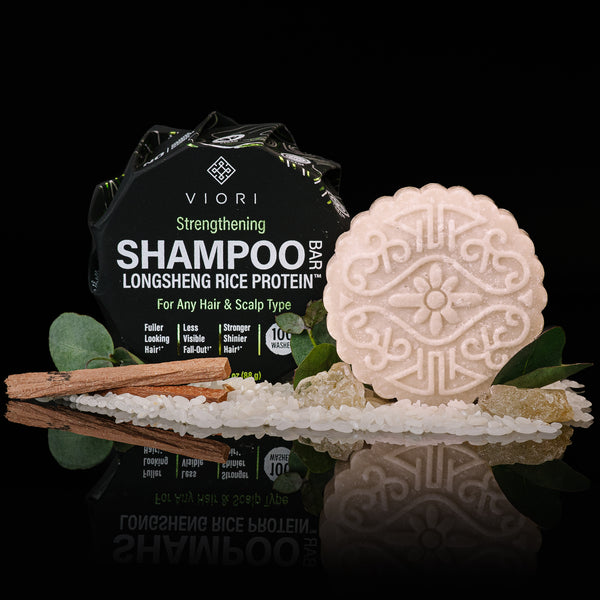
Viori’s bars use Sodium Cocoyl Isethionate (SCI) as a mild cleanser, and the formulas are designed to be pH balanced. That combination is often what people are really chasing when they say they want something “gentle.”
WHAT CUSTOMERS ARE SAYING
Real reviews for Rice Water Shampoo Bar – All Hair Types | VIORI
Who Tends to Do Well with “Sugar-Type” Formulas (and Who Should Be Careful)
You may love this style of cleansing if:
- Your scalp feels dry or tight and you want a softer cleanse
- Your hair seems to get stripped easily by stronger shampoos
- You wash frequently and need something that doesn’t leave you feeling squeaky and brittle
Use extra caution if:
- You have oily roots plus flakes (you’ll need excellent rinseability and effective oil removal)
- You have low-porosity hair that gets weighed down or coated easily
- Your scalp is reactive (scrubs and heavy residue can set it off fast)
- Your hair is color-treated and prone to fading from friction
If you’re using a shampoo or conditioner bar and you’re color-treated, one practical tip from Viori’s guidance is to lather in your hands first and apply with your palms, rather than rubbing the bar directly on your hair. Less friction usually means better cuticle behavior and better-looking color.
How to Tell If It’s Working (A Stylist’s Checklist)
Don’t judge a new shampoo after one wash. Give it a couple of weeks and look for clues that reflect scalp balance and cuticle condition. Here’s what I tell clients to watch for:
- Rinse feel: “Squeaky” can mean stripping; “coated” can mean residue.
- Oil rebound time: If you’re greasier faster than usual, your scalp may be irritated or the formula may be leaving buildup.
- Flake type: Powdery flakes often track with dryness/irritation; greasy flakes often track with oil + trapped debris.
- Wet detangling: If it suddenly takes more effort, friction is rising and the cuticle may be rougher.
- Scalp comfort when dry: Tightness or stinging is a red flag for barrier stress.
And if your goal is long-term change-less irritation, stronger hair, better shine-consistency matters. Viori notes that results vary and many people benefit from giving a routine 2-3 months before deciding, depending on what they’re trying to improve.
So… Is Raw Sugar Shampoo Good?
It can be, but it depends on what “raw sugar” actually means in your routine. If it’s shorthand for a cleanser that’s gentle, pH balanced, and rinses clean, it may fit beautifully. If it leads you into DIY scrubs, gritty exfoliation, or sticky residue at the roots, it can create the exact opposite of what you want-more tangles, more frizz, more breakage, and a scalp that never feels settled.
If you’re shopping for a smarter “clean and gentle” option, focus less on the marketing word and more on the results you can feel: clean roots, calm scalp, easy detangling, and hair that stays soft past day one.


