
“Japanese beauty soap” gets talked about like it’s a single product category-one elegant bar, one perfect foam, one universally flattering “clean” finish. In practice, it’s not that simple. The phrase covers two very different types of cleansing bars, and they behave differently on facial skin, body skin, and especially hair.
After two decades working with clients who bring every kind of bar into the shower, I’ve noticed a pattern: when someone loves a “beauty soap,” they’re usually responding to the lather texture, the rinse feel, and how “fresh” their skin looks afterward. When someone hates it, it’s often because of what happens later-tightness, dryness, frizz, dullness, or that strange coated feeling that makes you want to wash again. The missing piece is what I call the pH memory and residue microfilm effect.
First, what people call “beauty soap” can be two totally different formulas
If you take nothing else from this article, take this: a bar can look the same and still cleanse in a completely different way depending on its chemistry.
NOT SURE WHICH PRODUCT IS RIGHT FOR YOU?
TAKE THE QUIZTakes 30 seconds · 134,000+ customers matched
1) True soap bars (saponified oils)
A traditional soap bar is made by saponifying oils/fats-turning them into fatty acid salts. It’s a classic, time-tested cleansing method, and for many people it works beautifully on the body.
The technical catch is that true soaps are typically alkaline. And alkalinity changes how hair behaves. When hair is repeatedly pushed into a higher pH environment, the cuticle can lift more easily, which often shows up as roughness, tangles, and dullness-especially on longer hair or chemically processed hair.
2) Syndet bars (solid cleanser bars)
Syndet (synthetic detergent) bars use surfactants-cleansing agents that can be engineered to be milder and more pH controlled than true soap. These bars are often a better match for hair and scalp because they can be designed to cleanse without the same alkaline swing.
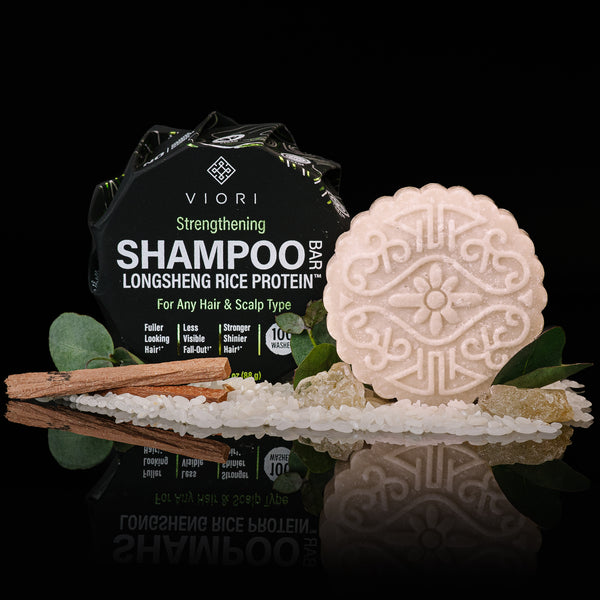
That’s one reason I often point bar-lovers toward hair-focused cleansing bars like Viori. Viori shampoo bars use a gentle coconut-derived cleanser called Sodium Cocoyl Isethionate (SCI) and are made to be pH balanced, which is a major deal if you care about shine, softness, and cuticle smoothness over time.
The under-discussed reason results vary: “pH memory” after you rinse
Most advice stops at “how it feels in the shower.” But hair and skin don’t reset the second you rinse. They continue reacting to what the cleanser did-and what it left behind.
Skin doesn’t instantly bounce back
Your skin’s surface is naturally slightly acidic, and that environment supports a healthy barrier. If you cleanse with something alkaline, the surface can stay elevated for a while. For some people, that translates into a clean, smooth feel. For others, it becomes that familiar cycle of clean → tight → compensate with heavier products.
Hair can’t “recover” the way skin can
Hair isn’t living tissue. So when a routine increases cuticle lift and friction, you’ll notice it as:
- more tangling while wet
- frizzier texture once dry
- less shine (raised cuticles scatter light instead of reflecting it)
- faster fading on color-treated hair
This is why pH-balanced haircare matters. Viori highlights this clearly: hair products generally perform best in a pH range of about 3.5-6.5, and consistently higher pH can contribute to dryness and long-term damage.
Hard water changes everything (and it’s not just about “soap scum”)
Here’s the part that gets overlooked: in hard water, true soap can react with calcium and magnesium and form deposits. That same “bathtub ring” concept can happen on hair, too-creating a residue microfilm that changes how hair feels and behaves.
When that film builds, it can lead to:
- higher strand-to-strand friction (tangles and breakage during detangling)
- duller shine
- a coated feeling that still somehow feels dry
- more scrubbing because “it doesn’t feel clean,” which can spiral into more damage
A pH-balanced surfactant bar can be more predictable in hard water because it doesn’t create the same mineral-fatty deposits that true soap can. Viori’s use of SCI is one reason many people find the wash experience stays consistent across different water types.
Why foam matters: it’s not just luxury, it’s mechanics
One reason “Japanese beauty soap” is so associated with a refined experience is the foam. Dense, fine lather isn’t just aesthetically pleasing-it can act as a buffer that spreads cleansing power evenly and reduces harsh friction in concentrated spots.
Foam texture depends on the cleanser system, water type, and the bar’s structure. Viori bars use ingredients like cetyl alcohol and stearic acid as binding/structuring agents, which can also influence slip and how controlled the application feels.
The biggest mismatch: people use “face soap logic” on hair
Facial cleansing culture often rewards that ultra-clean finish. Hair doesn’t. From a stylist’s perspective, the goal is usually:
- clean scalp without triggering rebound oiliness
- minimal cuticle lift
- low-friction detangling
- healthy shine and color longevity
This is where Viori’s scalp-type guidance is genuinely helpful. Their bars share a core formulation approach, but the collections are commonly chosen based on scalp needs:
WHAT CUSTOMERS ARE SAYING
Real reviews for Rice Water Shampoo Bar – All Hair Types | VIORI
- Citrus Yao is often preferred for normal-to-oily scalps (Viori notes it contains citric acid, which helps break down oil).
- Terrace Garden, Hidden Waterfall, and Native Essence are typically favored for normal-to-dry scalps.
- Native Essence is the unscented option and is commonly recommended for people who are fragrance-sensitive.
How to get the “bar ritual” results without roughing up your hair
If you love the simplicity of a bar routine, keep it-but use a technique that protects the cuticle. This matters for everyone, and it matters even more if your hair is fine, long, curly, highlighted, or color-treated.
- Build lather in your hands first. Viori specifically recommends getting a lather in your palm and applying with your hands rather than rubbing the bar directly on your head-especially if you’re trying to preserve color.
- Focus shampoo where it belongs: the scalp. Let the lengths get cleansed by the rinse-through.
- Condition after washing. Cleansing removes protective sebum. Conditioner helps restore slip and protection while your natural oils replenish. Viori explains that conditioner is positively charged, which helps it adhere to hair and improve manageability.
- Give it time. Hair routines don’t always show their best results in a week. Viori recommends a 2-3 month window before giving up, which is realistic when you’re changing your cleansing and conditioning baseline.
Where Viori fits into the “Japanese beauty soap” conversation
If what draws you to Japanese beauty soap is the idea of a minimal, bar-based routine with a clean, refined finish, then the most important question is whether the bar is designed for hair and scalp compatibility.
Viori’s formulas are built around that goal: a gentle cleanser system (SCI), a pH-balanced approach, and a mix of supportive ingredients including fermented Longsheng rice water and rice-derived components like hydrolyzed rice protein and vitamins such as B5 (panthenol) and B8 (inositol). Viori also notes a smart nuance: using rice water at very high concentration too often can disrupt hair/scalp pH, which is why balance matters.
Bottom line
The real secret behind “beauty soap” results isn’t the trend-it’s the chemistry, your water, and your technique. Once you understand true soap vs. pH-balanced cleansing bars, and you respect the way hair responds to pH and friction, you can get the ritual you love without sacrificing softness, shine, or scalp comfort.
If you want to fine-tune a bar routine, start by identifying your scalp type (oily/normal/dry) and how your hair behaves after wash day. From there, it’s much easier to choose the right Viori bar pairing-and use it in a way that keeps hair glossy and resilient.


