
Magnolia is one of those scents that feels instantly polished-soft, fresh, lightly floral, and “clean” without being loud. It’s no surprise people go searching for a magnolia soap shampoo bar when they want their hair routine to feel a little more elevated.
But here’s what I’ve learned after two decades of working with every hair type imaginable: with shampoo bars, the magnolia part is usually the least important piece. The real make-or-break factors are what kind of “bar” it actually is (true soap versus true shampoo bar), how the formula behaves with your water, and how you use it on your scalp and lengths.
“Soap” vs “Shampoo Bar”: Why the Label Can Mislead
Many products described as “soap shampoo bars” are literally true soap (made by saponifying oils/fats with an alkali). Soap can be great for skin, but hair has different needs-especially when it comes to cuticle behavior, shine, and tangling.
NOT SURE WHICH PRODUCT IS RIGHT FOR YOU?
TAKE THE QUIZTakes 30 seconds · 134,000+ customers matched
One key difference is pH. Hair products generally perform best in a mildly acidic range. When cleansing is too alkaline, the cuticle can lift and swell, creating that familiar chain reaction: roughness, frizz, more knots, and more breakage during detangling.
The hard-water problem people blame on “shampoo bars”
This is the part that rarely gets explained clearly: if you have hard water, true soap can bind to minerals like calcium and magnesium and create insoluble residue that clings to the hair. People describe it as a waxy or coated feel, even when they swear they rinsed well.
That “something is on my hair” sensation often shows up like this:
- Hair feels clean at the scalp but dull through the lengths
- Ends feel dry while roots get oily faster than expected
- Conditioner suddenly doesn’t seem to “sink in” the same way
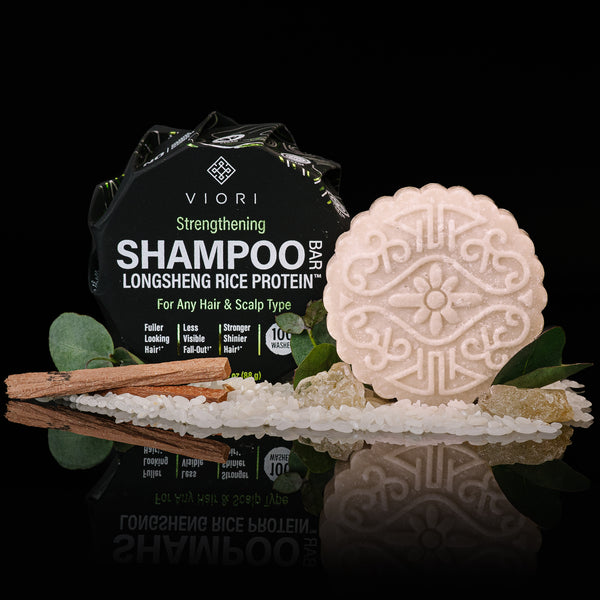
If you want a bar format without that classic soap-buildup spiral, look for a bar that’s built like a modern shampoo. Viori is formulated as a true shampoo/conditioner bar system and is pH balanced, which is a major reason it tends to feel more consistent on hair over time.
Magnolia: A Scent Concept More Than a Flower Ingredient
Most “magnolia” in haircare is a fragrance profile rather than magnolia petals doing the heavy lifting in the formula. That’s not a negative-beautiful scent design is its own craft-but it does mean you should think about magnolia the way a stylist does: as part of the experience and, sometimes, part of your scalp’s tolerance.
Fragrance and scalp sensitivity: a real (and fixable) issue
Floral scents can be a trigger for some sensitive scalps, especially if the barrier is already irritated. If you deal with itching, tightness, flaking that worsens with fragrance, or hairline breakouts, it’s worth taking scent seriously rather than pushing through discomfort.
One reason I appreciate Viori’s lineup is that it includes an unscented option, Native Essence, which is often the smartest choice for anyone who wants the benefits of the bar format without added fragrance.
The Underestimated Variable: Friction (It’s the “Ingredient” Nobody Lists)
Bars invite a common mistake: rubbing them directly onto the hair over and over like a body bar. That extra friction matters. It can rough up the cuticle, tangle the crown and nape (two high-friction zones), and make hair feel drier-even if the formula itself is gentle.
If you’re color-treated, friction becomes even more important. The more you scrub, the more you encourage cuticle lift and mechanical wear, which can translate into faster fading and less shine.
The pro way to use a shampoo bar
If you want salon-like results from a bar, adjust your technique first. Here’s the method I recommend (and it’s consistent with Viori’s guidance):
- Thoroughly saturate hair with water for 30-60 seconds.
- Create lather in your hands (not directly on your head).
- Apply that lather to the scalp and massage with fingertips.
- Let the suds rinse through the lengths-avoid over-scrubbing the ends.
Why “Fresh Floral” Doesn’t Automatically Mean “Moisturizing”
There’s a persistent myth that floral profiles are inherently hydrating. In reality, scent doesn’t moisturize hair. What does matter is the structure of the cleansing and conditioning system and how it interacts with oil, water, and your hair’s porosity.
Viori actually addresses an important nuance: even when a base formula is similar, specific scent components can shift how the bar performs. For example, Viori notes that citric acid in Citrus Yao helps break down oil more effectively, which can be helpful for normal-to-oily scalps.
The Formula Architecture That Makes a Bar Feel “Expensive” on Hair
If you’re buying a magnolia-style bar for the vibe, you’ll get the best hair results by judging the architecture of the bar-not the romantic marketing language.
Here are a few formulation details that matter, using Viori as a practical reference point:
- A mild cleanser: Viori uses Sodium Cocoyl Isethionate (SCI), a gentle surfactant known for a creamy foam that cleans without that stripped feeling many people associate with bars.
- Slip and conditioning support: Viori includes behentrimonium methosulfate, a conditioning agent that helps reduce friction by improving detangling and smoothness (it’s not the same thing as harsh cleansing sulfates).
- Strength and manageability ingredients: Viori uses fermented Longsheng rice water in a controlled concentration, along with supportive ingredients like hydrolyzed rice protein, inositol (Vitamin B8), and panthenol (Vitamin B5).
The takeaway: if you want soft, glossy, “healthy hair” results, you’re better off choosing a bar that’s designed like a modern hair product-and then selecting a scent profile you enjoy, or going unscented if your scalp is reactive.
WHAT CUSTOMERS ARE SAYING
Real reviews for Rice Water Shampoo Bar – All Hair Types | VIORI
Porosity: The Reason One Person Loves a Floral Bar and Another Can’t Stand It
Porosity is your hair’s ability to absorb and retain moisture. It’s also the reason two people can use the same bar and describe completely opposite outcomes.
- Low-porosity hair resists absorption and is more prone to buildup and heaviness if conditioning layers stack up.
- High-porosity hair absorbs quickly but loses moisture fast, so it often needs more conditioning support and gentler handling to avoid frizz.
If you love the airy freshness that a magnolia profile suggests, you can absolutely lean into that vibe-just match the bar choice and conditioning technique to your porosity so your hair doesn’t swing into either “coated” or “crispy.”
How Long Should You Give a New Bar Routine?
Hair and scalp don’t always tell the truth in the first week. Early results can be misleading-especially if you’re transitioning from heavier routines or dealing with hidden buildup.
Viori recommends giving their bars 2-3 months before throwing in the towel, and that’s a realistic timeframe for judging:
- Scalp comfort and balance
- Oil cycle stability (how long you can go between washes)
- Shine, softness, and frizz patterns
- Breakage and tangling during detangling
The Bottom Line
Magnolia is the mood-clean, soft, fresh, airy. But the hair results you’re hoping for come from the less glamorous details: pH balance, cleanser type, mineral compatibility, friction control, and a scalp-friendly approach to fragrance.
If you want a bar routine that feels refined and performs consistently, Viori is designed around those fundamentals: pH-balanced bars, a gentle cleanser system, conditioning support, and an unscented option for sensitive scalps. Get the technique right, give it enough time to show you what it can do, and you’ll be much closer to that “magnolia clean” feeling-without the usual bar-related drama.


