
“Mermaid hair” sounds like a vibe-long, shiny, soft waves that move like water. But when someone sits in my chair and asks for it, I know they’re really asking for a very specific combination: gloss without grease, slip without buildup, and definition without frizz. And here’s the part most people miss: the shampoo step is often where the whole look is made-or quietly sabotaged.
A truly great “mermaid hair shampoo” routine isn’t about chasing the most moisture or the strongest cleanse. It’s about surface control: how your cuticle lays, how much friction your strands experience, and how evenly your hair can accept conditioning afterward.
Mermaid hair isn’t just “hydrated”-it’s smooth, controlled, and reflective
When hair looks mermaid-level glossy, it’s usually because the outside of the strand is behaving like a smooth fabric: light reflects evenly, and the hair moves in “ribbons” instead of separating into fuzzy pieces.
That finish tends to show up when four things are happening at once:
NOT SURE WHICH PRODUCT IS RIGHT FOR YOU?
TAKE THE QUIZTakes 30 seconds · 134,000+ customers matched
- The cuticle sits flatter (less roughness and snagging)
- Friction is low (so strands glide instead of grab)
- Conditioning is even from mids to ends (not patchy or heavy in spots)
- Residue is minimal, especially the kind that dulls shine
So while moisture matters, the “mermaid look” is really a surface-physics look. It’s about how the hair fiber behaves after cleansing-especially once it dries.
The rarely discussed culprit: friction (and why it ruins shine)
If you’ve ever washed your hair and it felt “clean”… but also rough, puffy, tangly, or frizzy, that’s friction talking. High friction means the cuticle is more lifted or irregular, and instead of clumping into glossy ribbons, your hair separates into smaller pieces that scatter light.
Common friction triggers include:
- Over-cleansing or using products that leave hair squeaky
- Scrubbing the lengths like they’re the scalp
- Rough towel drying or aggressive detangling
- Hard water mineral deposits (more on that below)
- High-friction application techniques with bar products
“Buildup” isn’t one thing-and not all residue behaves the same
Most people talk about buildup like it’s a single problem. In reality, the type of residue matters more than the fact that residue exists. Some residues make hair feel silky for a day, then dull and sticky later. Others help with slip-until they accumulate too much at the root.
Here are the three residue categories that most often affect mermaid hair results:
- Waxy/oily residue that can turn into drag and dullness, especially when mixed with minerals
- Conditioning residue that can improve slip and ribboning when it deposits evenly
- Hard water mineral residue that makes hair feel coated-but-dry and kills reflective shine
If you’ve been moisturizing like crazy and still can’t get that glassy finish, mineral residue is one of the first things I’d suspect.
Bar shampoo tip that changes everything: control the contact
Shampoo bars can absolutely support a mermaid-hair routine, but your technique matters more than most people realize. Dragging a bar directly along the hair can create localized friction, especially on porous, processed, or color-treated lengths.
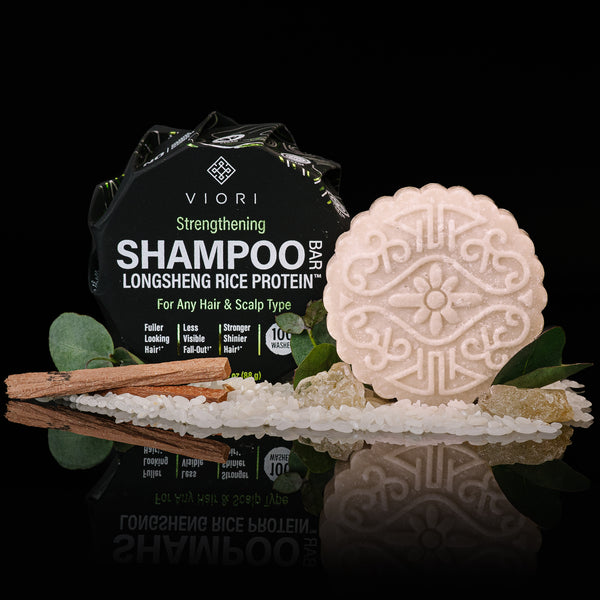
Viori’s advice for color-treated hair is spot-on here: build lather in your hands and apply it with your palms rather than rubbing the bar directly on your head. That simple change can make your hair feel smoother and help preserve color by reducing unnecessary abrasion.
What “gentle cleansing” really means (and why it matters for mermaid hair)
“Gentle” isn’t just a feeling-it’s what the cleanser does to the hair fiber and scalp over time. A cleanser that’s too aggressive often creates that squeaky sensation people mistake for cleanliness, but it can leave the cuticle more vulnerable and the surface more rough.
Viori uses Sodium Cocoyl Isethionate (SCI) as the cleanser in its shampoo bars. SCI is widely considered a mild surfactant that cleans effectively without the harshness associated with more stripping cleansers. For mermaid hair goals, that can translate to less post-wash roughness, better manageability, and a smoother base for conditioning.
pH balance: the quiet difference between “poofy clean” and “glossy clean”
If I could put one concept on a billboard for shiny hair, it would be this: pH impacts cuticle behavior. Hair products typically perform best for the hair fiber within a hair-friendly pH range (often discussed around 3.5-6.5). When products lean too alkaline, the cuticle can stay more lifted, which increases friction and dulls reflection.
Viori emphasizes that its products are pH balanced, and that matters because mermaid shine depends on a smoother surface. Less cuticle lift means better light reflection and less frizz disruption as the hair dries.
Mermaid hair is usually “light reinforcement + even conditioning,” not heavy masking
A lot of people assume the mermaid look is achieved by piling on moisture. In practice, the best mermaid hair I see is usually the result of consistent, balanced support: reinforcing weak spots, smoothing the surface, and keeping slip high without coating the hair into limpness.
Viori’s bars include fermented Longsheng rice water and a low concentration of rice protein. The brand notes that their rice water concentration is intentionally lower because very high concentrations of rice water can disrupt hair and scalp pH if used too often. Their approach is designed to be safe for frequent use while still supporting shine, strength, and overall hair feel.
Your scalp type decides your “mermaid shampoo” strategy
Mermaid hair is hard to maintain if the scalp is out of balance. Too oily and the roots collapse. Too dry and irritated and you’ll end up fighting flakes, tightness, or over-conditioning the hair to compensate.
Viori’s recommendations are refreshingly practical and based on scalp behavior:
- Citrus Yao is commonly recommended for normal-to-oily scalps. Viori notes this scent contains citric acid, which helps break down oil effectively.
- Terrace Garden, Hidden Waterfall, and Native Essence are often favored for normal-to-dry scalps.
- Native Essence is the unscented option and is frequently recommended for sensitive scalps or fragrance sensitivity.
One of my favorite “mermaid hair” setups is also the most common real-life pattern: oily scalp + dry ends. Viori even suggests a mix-and-match approach-using Citrus Yao shampoo for the scalp and a more moisturizing conditioner option on the ends.
WHAT CUSTOMERS ARE SAYING
Real reviews for Rice Water Shampoo Bar – All Hair Types | VIORI
Conditioner isn’t optional for mermaid hair-it’s the “seal” step
Shampoo removes some of the scalp’s natural sebum, which leaves strands more exposed to friction, sun, heat, and mechanical stress. Conditioner helps restore that protective feel. Viori explains this well: conditioner is positively charged, which helps it adhere to the hair strand and improve slip and protection until natural oils replenish.
Translation in everyday terms: if shampoo is your reset, conditioner is your finish coat. Mermaid hair needs that finish coat to keep strands moving together instead of puffing apart.
A salon-style mermaid hair routine using Viori bars
If you want the most “mermaid” payoff from your wash day, try this technique-focused routine:
- Soak hair thoroughly. Incomplete saturation leads to uneven cleansing and more friction.
- Lather the Viori shampoo bar in your hands, then apply the lather to your scalp and work it through.
- Massage the scalp and let the lather cleanse the lengths gently-avoid scrubbing mids and ends.
- Rinse extremely well. Mermaid shine loves a clean, even surface.
- Apply Viori conditioner from mid-lengths to ends and let it sit for 3-5 minutes.
- Rinse, and if you’re frizz-prone, finish with slightly cooler water for a smoother feel.
- Optional: use the conditioner bar as a tiny leave-in on the ends if your hair loves it-just keep it light so you don’t lose movement.
What to expect (and when) if you’re doing it right
Mermaid hair is a cumulative result. Viori recommends giving a routine 2-3 months before deciding it isn’t for you, and that timeline makes sense-hair and scalp often need time to adjust, especially if you’re coming from harsher cleansing or heavy buildup cycles.
Signs you’re moving toward true mermaid hair:
- Roots feel clean but not squeaky
- Detangling takes less force
- Ends feel supple without feeling coated
- Waves and lengths clump into soft, glossy ribbons as they dry
- Shine looks smooth and sheet-like (not dull or fuzzy)
If you want, tell me your scalp type (oily/normal/dry), your hair porosity (low/medium/high), and whether you color your hair, and I’ll help you choose the most mermaid-friendly Viori routine and technique tweaks for your exact hair behavior.


