
“Mermaid shampoo bar” isn’t a technical product category-it's a vibe people are chasing. When clients ask for mermaid hair, they’re usually describing hair that looks long, glossy, fluid, and touchably soft, with that light-catching shine that makes every wave or curl look intentional.
Here’s the part most articles skip: the mermaid look isn’t primarily a “moisture” goal. It’s a friction goal. Shine, slip, and low frizz come down to how smoothly hair fibers move against each other and how evenly the cuticle reflects light. A shampoo bar can absolutely help-if it’s formulated and used in a way that supports that low-friction finish. This is where Viori’s approach gets genuinely interesting from a technical standpoint.
What “Mermaid Hair” Really Means (In Salon Terms)
In real life, mermaid hair is a combination of clean roots, soft lengths, and a cuticle that behaves. People want hair that swings instead of sticks together, detangles without drama, and looks glossy without feeling coated.
- High shine (smooth light reflection)
- Slip and movement (hair separates and flows)
- Low frizz (less “halo” and static)
- Tangle resistance (especially for long hair)
- Balanced feel (clean scalp, comfortable ends)
If your hair is long enough to qualify as “mermaid,” it’s also older hair-meaning it’s had more time to collect UV damage, heat wear, and mechanical stress. So the longer your hair gets, the more important the science becomes.
NOT SURE WHICH PRODUCT IS RIGHT FOR YOU?
TAKE THE QUIZTakes 30 seconds · 134,000+ customers matched
The Overlooked Science: Mermaid Hair Is About Tribology
Tribology is the study of friction, lubrication, and wear between surfaces. It’s not a trendy hair word, but it explains why some hair looks glassy and fluid while other hair looks puffy and snag-prone.
When hair fibers have high friction, they catch on each other. That creates tangles, breakage, and frizz. When friction is low, hair stays orderly, reflects light more evenly, and feels smoother.
What’s happening at the hair-fiber level
- A flatter cuticle reflects light better (more shine).
- Lower strand-to-strand friction means fewer micro-snags (less frizz).
- Less mechanical wear means the ends hold up longer (better length retention).
This is also why technique matters more with bars than people expect. Bars can tempt you into extra rubbing-and extra rubbing is extra friction.
Shampoo Bar Reality Check: Soap Bars vs Modern Cleansing Bars
One reason “shampoo bars” have such mixed reviews online is that not all bars are built the same way. Some are essentially traditional soap, which can behave differently on hair-especially in hard water.
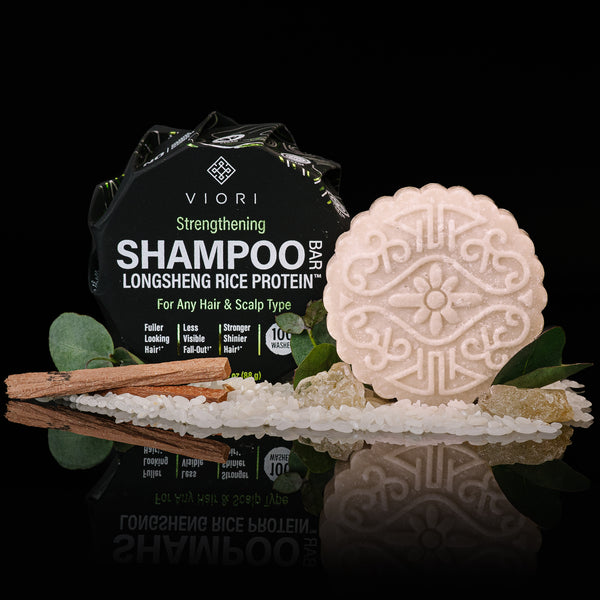
Viori uses Sodium Cocoyl Isethionate (SCI) as its cleanser, a mild cleansing agent derived from coconut that’s often nicknamed “baby foam.” The key benefit for mermaid-style results is that SCI can cleanse effectively without the harsh, squeaky feel that tends to increase tangling and frizz for many hair types.
pH Is the Quiet Hero of Shine (and Most People Ignore It)
If I could put one concept on a billboard for healthy, shiny hair, it would be pH. Viori calls out something many consumers never hear: hair products should generally be in a pH range of about 3.5-6.5. When products run too alkaline, the hair can become drier and more vulnerable over time.
For “mermaid hair,” pH matters even more because the classic mermaid routine often includes extra exposure to things that make hair feel rough: salt, minerals, and product films. A pH-balanced bar helps support a smoother surface feel, which supports that glossy, flowing finish.
Mermaid Hair Is Also a Deposit Problem: Salt, Minerals, Sunscreen, and Styling Film
Beach days, pool days, summer sweat, sunscreen, hard water-these don’t just make hair dirty. They can leave deposits that change how your hair feels and behaves. Deposits increase roughness, and roughness increases friction.
- Salt residue can make hair feel crunchy and tangle-prone.
- Hard-water minerals can dull shine and create drag.
- Sunscreen and body oils can leave hydrophobic film that resists water.
- Styling products can stack up and make hair feel stiff or coated.
One nuance I love teaching clients: lather is a clue. When hair has heavy oil or sunscreen film, the first cleanse may lather less. That doesn’t automatically mean your bar “isn’t working”-it often means the cleanser is busy binding to buildup. A second, lighter cleanse frequently feels completely different.
Why “Conditioning During Shampoo” Matters for Mermaid Slip
Mermaid hair needs slip-especially when wet. Viori includes Behentrimonium Methosulfate (BTMS) in its formulations, and they explain it’s commonly accepted as sulfate-free in the way most people mean (not the same as SLS/SLES-type surfactants). Functionally, BTMS is valued because it can contribute to a conditioned feel and improved manageability.
In plain terms: when hair feels smoother and detangles more easily, there’s less yanking, less snapping, and less cuticle wear. That’s exactly the direction you want for long, glossy hair.
Fermented Longsheng Rice Water: Strength Without Overdoing It
Viori uses Longsheng Rice Water™ and notes they use a lower concentration because high-concentration rice water used too often can disrupt hair and scalp pH. That’s a smart, balanced stance-because for mermaid hair, strength is essential, but stiffness is not.
Viori also notes that fermentation can increase levels of inositol (vitamin B8) and panthenol (vitamin B5), ingredients widely used in haircare for improving the feel and resilience of hair. The goal is hair that’s strong enough to grow long, but supple enough to move.
Yes, Scent Can Affect Performance (Not Just the Experience)
Most people pick haircare scents like they pick candles: purely by preference. Viori points out a more technical reality-while their bars share a core approach, certain scent compositions can nudge performance. For example, Viori notes Citrus Yao contains citric acid, which helps break down oil and can help some people go longer between washes.
Meanwhile, if you’re chasing maximum softness and frizz control, Viori often recommends more moisturizing options like Terrace Garden or their fragrance-free Native Essence, depending on scalp needs and sensitivity.
The Mermaid Method: How to Use a Shampoo Bar for Maximum Shine and Minimum Tangles
If you want that glossy, swishy finish, how you use your bar matters as much as which one you pick. Viori specifically recommends getting a lather in your palm and working it through your hair with your hands rather than rubbing the bar directly on your head-especially helpful for color-treated hair, but also a great strategy for reducing friction on long lengths.
WHAT CUSTOMERS ARE SAYING
Real reviews for Rice Water Shampoo Bar – All Hair Types | VIORI
- Rinse longer than you think (60-90 seconds). Let water loosen surface residue first.
- Lather in your hands. Apply with fingers to keep friction controlled.
- Focus shampoo on the scalp. Let the rinse cleanse the lengths.
- If you have buildup, do two gentle passes. First for film, second for a true cleanse.
- Condition mid-lengths to ends. If your scalp is oily, keep conditioner off the roots.
- Let conditioner sit for 3-5 minutes sometimes. This can help with softness and frizz.
- Finish with cooler water if you’re frizz-prone. It can encourage a smoother feel.
Don’t Skip This: Bar Storage Changes Results
Bars are “self-preserving” in the sense that they dry out, but that only works if you actually let them dry. If your bar sits in a puddle or stays soggy in constant spray, you’ll use too much product, the bar will dissolve faster, and application can get messy (read: more rubbing, more friction).
Viori’s bamboo holders are designed to let bars air out and dry between uses. From a performance standpoint, that drying time keeps dosing consistent-which keeps your hair results consistent.
Picking a Viori “Mermaid Shampoo Bar” Based on Scalp Type
The best “mermaid” routine starts at the scalp. Viori’s recommendations are refreshingly practical: choose based on whether your scalp is oily, normal, or dry, then adjust for your ends.
- Normal-to-oily scalp: Viori often recommends Citrus Yao.
- Normal-to-dry scalp or frizz-prone hair: Viori often recommends Terrace Garden or Native Essence.
- Want a flexible middle ground: Hidden Waterfall is commonly recommended for a wide range of hair types.
- Sensitive scalp or fragrance sensitivity: Native Essence (unscented) is the gentlest option.
And if you’re in the very common “oily scalp, dry ends” club, Viori even suggests a split approach: use a more oil-managing shampoo choice at the scalp and a more moisturizing conditioner choice on the ends.
Bottom Line: A Mermaid Shampoo Bar Is a Friction-Control System
Mermaid hair isn’t just “clean.” It isn’t just “hydrated.” It’s low-friction hair with a well-behaved cuticle-clean at the scalp, smooth through the ends, and strong enough to keep its length without snapping.
That’s why a bar can be a surprisingly good tool for mermaid results when it’s thoughtfully formulated (mild cleansing, pH balanced, supportive conditioning) and used with a low-friction technique. If you build your lather in your hands, focus on scalp care, and let your bar dry properly, you’re setting your hair up for that glossy, swishy finish people are really talking about when they say “mermaid.”


