
“Natural coconut shampoo” sounds like it should be straightforward-until you actually read ingredient labels and realize the word coconut can point to a lot of different things. In the salon, I hear the same expectations over and over: it must contain coconut oil, it must be gentle, and if it’s natural it must be healthier for hair. Sometimes that’s true. Often, it’s not that simple.
The real story lives in the chemistry: what the cleanser is made of, how it behaves in water, what it does to your cuticle while you’re washing, and whether the formula respects your hair’s ideal pH. Once you understand those pieces, “natural coconut shampoo” stops being a marketing phrase and becomes something you can choose with confidence.
The big misconception: coconut oil vs. coconut-derived cleansers
Let’s clear up the most common confusion first. A shampoo can be called “coconut” for two totally different reasons: it contains coconut oil, or it contains a cleanser derived from coconut. Those are not interchangeable-and they don’t behave the same on hair.
NOT SURE WHICH PRODUCT IS RIGHT FOR YOU?
TAKE THE QUIZTakes 30 seconds · 134,000+ customers matched
Coconut oil in shampoo (helpful, but not what cleanses)
Coconut oil is a lipid-an emollient ingredient that can make hair feel softer and more lubricated. But oils don’t do the main job of a shampoo. They don’t lift dirt and sebum away the way surfactants do. If a shampoo contains coconut oil, think of it more as a “feel” ingredient than the engine of cleansing.
Coconut-derived surfactants (this is usually the “coconut” that matters)
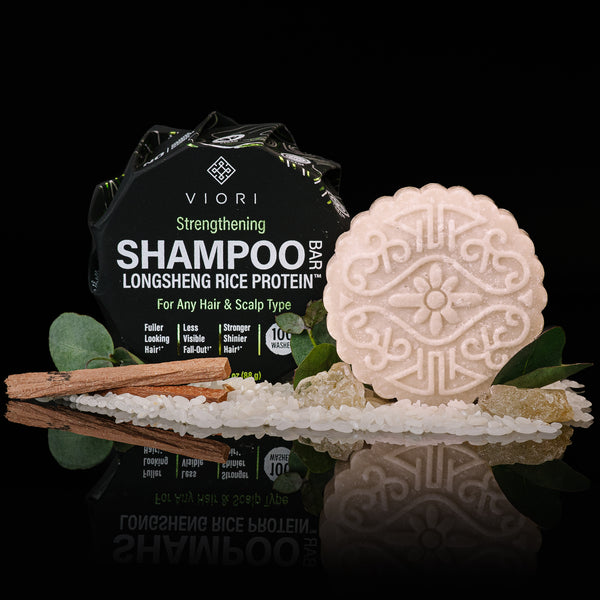
Most “coconut shampoos” are really referring to the cleanser system-often surfactants built from fatty acids that commonly come from coconut. A major example in high-quality shampoo bars is Sodium Cocoyl Isethionate (SCI), a mild cleanser used in Viori shampoo bars.
Here’s the nuance most people miss: “derived from coconut” describes where part of the ingredient’s carbon chain came from in the supply chain-not what the final ingredient is. Once it’s processed into a surfactant, it behaves nothing like coconut oil.
Why some natural coconut shampoos feel silky-and others feel like sandpaper
When clients tell me a natural shampoo made their hair feel “squeaky,” rough, or instantly tangled, they usually assume it’s because their hair “needs time to adjust.” Sometimes there’s a short transition when switching products, but more often the issue is technical: the cleanser system and the pH are working against the hair cuticle.
The overlooked culprit: friction during washing
Most articles talk about shampoo in terms of “stripping oils,” but the bigger long-term problem can be mechanical wear. Hair is more vulnerable when it’s wet. If your shampoo routine creates a lot of friction-especially at the crown and nape-you’re basically roughing up the cuticle every wash.
That friction can show up as:
- tangling at the roots during shampooing
- frizz that returns no matter what you apply afterward
- ends that seem to thin out faster
- color looking dull sooner (a rough cuticle scatters light instead of reflecting it)
This is where a cleanser like SCI can be a big deal. It’s known for creating a creamy lather that can reduce that “Velcro” feeling-so the wash process itself is gentler on the cuticle.
pH: the make-or-break detail that “natural” doesn’t guarantee
If I could tattoo one haircare tip onto every label, it would be this: natural doesn’t automatically mean pH-balanced. Hair and scalp generally do best when products fall in a hair-friendly range (commonly cited around 3.5-6.5). When products run too alkaline, the cuticle can swell and lift, which increases friction and tangling and can contribute to dryness over time.
Viori emphasizes that its bars are pH balanced, and from a professional standpoint, that’s not a small detail-it’s one of the main differences between a gentle “natural” cleanser and one that slowly roughs up your hair over weeks and months.
“Coconut shampoo” doesn’t necessarily mean “contains coconut oil” (and that matters for sensitivity)
Another point that deserves more attention: people often buy coconut shampoo either because they want coconut oil benefits or because they’re trying to avoid certain ingredients. But “coconut” on the front label can still mean very different things inside the formula.
With Viori specifically, their bars contain no coconut oil, but they do use Sodium Cocoyl Isethionate, which is a cleanser derived from coconut. For many people, that’s a perfect setup-effective cleansing without an oily finish. For someone with a coconut sensitivity, it’s also a reminder to look beyond the headline ingredient and consider what “derived from” means in practice.
Can a gentle, coconut-derived cleanser handle oily hair? Yes-if you use it correctly
There’s a stubborn myth that gentle, sulfate-free shampoos can’t clean oily scalps. In reality, cleansing success depends on the full system: surfactant choice, concentration, rinse behavior, and how you apply it. Technique is especially important with bars.
The bar mistake I see most: rubbing directly on the scalp and lengths
Scrubbing a bar straight onto your head can create unnecessary friction and tangling-especially if you’re color-treated or have fragile ends. Viori’s own guidance aligns with what I teach clients: get the lather going in your hands first, then bring the foam to the scalp.
WHAT CUSTOMERS ARE SAYING
Real reviews for Rice Water Shampoo Bar – All Hair Types | VIORI
How to use a natural shampoo bar for the best results
If you want that clean, light, bouncy feeling without the roughness, here’s my go-to method:
- Soak the hair thoroughly. This matters more than people think-especially with thicker hair.
- Build lather in your palms, then apply it to the scalp.
- Massage the scalp (not the lengths). Let the rinse water clean the mid-lengths and ends.
- Rinse longer than you think you need to. Incomplete rinsing is a sneaky cause of dullness and heaviness.
- Condition from mid-lengths to ends. This replaces slip and protection after cleansing.
What to look for when shopping for “natural coconut shampoo”
If you want to choose like a pro, focus on performance clues-not coconut imagery. Ask yourself:
- What’s the primary cleanser? (Ingredients like SCI are often a great sign in bar formulas.)
- Is it pH balanced?
- Is it silicone free? (Silicones can mask roughness; silicone-free formulas have to earn smoothness through smart conditioning.)
- Does it match your scalp type (oily/normal/dry), not just your hair length?
Choosing a Viori bar by scalp needs (the simple, salon-style approach)
If you’re using Viori, pick based on your scalp first, then adjust conditioner placement for your ends:
- Citrus Yao: typically best for normal to oily scalp types.
- Terrace Garden: typically best for normal to dry scalp types.
- Hidden Waterfall: a versatile option many people enjoy across scalp types, especially normal leaning.
- Native Essence: unscented and a great choice for fragrance sensitivity and normal to dry scalps.
And if you’re oily at the scalp but dry at the ends, don’t force one product to do two opposite jobs. Cleanse the scalp with the right shampoo choice, then keep conditioner focused on the lengths and ends where it’s actually needed.
Final takeaway: “coconut” is a starting point-your cuticle is the real priority
A genuinely great natural coconut shampoo isn’t defined by a tropical vibe or whether coconut oil appears on the label. It’s defined by surfactant design, pH balance, and how the formula manages friction while you wash. Get those right, and you’ll see the payoff where it counts: shine, softness, less breakage, and hair that behaves better between washes.


