
“Rice extract shampoo” gets talked about like it’s one ingredient that magically equals shiny hair. In real life-behind the chair, on real scalps, with real water quality and real styling habits-it’s a lot more nuanced. Rice can be incredibly helpful, but the results depend on what kind of rice-derived ingredient is used, how it’s processed (especially fermentation), and the part almost nobody discusses: how the shampoo is engineered to deliver those benefits.
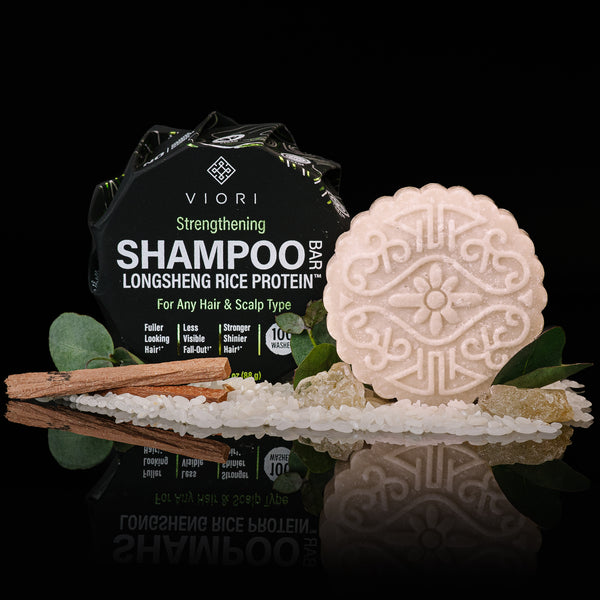
This is where a well-built system like Viori stands out from the noise. It’s not just “rice in a shampoo.” It’s fermented Longsheng rice water used at a controlled level, paired with a gentle cleanser system and a pH-balanced formula-because dose, pH, and deposition decide whether rice makes your hair feel silky… or just weirdly coated.
First, let’s clear up the label confusion: “Rice extract” isn’t one thing
When you see “rice extract” on a product, it can refer to very different materials, and each behaves differently on the hair shaft. Here are the big categories I explain to clients when we’re troubleshooting frizz, breakage, dullness, or buildup.
NOT SURE WHICH PRODUCT IS RIGHT FOR YOU?
TAKE THE QUIZTakes 30 seconds · 134,000+ customers matched
1) Rice water / rice extract (often more starch- and sugar-leaning)
These ingredients tend to bring along carbohydrates (starches and sugars) plus small amounts of other naturally occurring components. On hair, they can create a soft, lightweight film that improves slip and makes strands feel a bit more polished.
The catch is that film can become “too much of a good thing” if the overall cleansing and rinse profile isn’t dialed in. That’s when people start describing hair as coated, flat, or oddly waxy-especially if they’re also layering styling products.
2) Hydrolyzed rice protein (more peptide-leaning)
“Hydrolyzed” means the protein has been broken down into smaller fragments. Those smaller pieces tend to play nicer in cosmetic formulas and can adhere to areas of the cuticle that are rough or compromised.
When it’s balanced correctly, this can translate into:
- Hair that feels stronger through the mid-lengths and ends
- Less snapping and fewer “mystery breakage” moments during detangling
- A smoother surface that reflects light better (hello, shine)
But protein has a personality. If your hair is protein-sensitive-or you’re using a high-protein routine too often-you can get that stiff, tangly, “crispy” feeling. That doesn’t mean rice protein is bad; it means the routine isn’t balanced for your hair type.
3) Fermented rice derivatives (where things get genuinely interesting)
Fermentation is not just a romantic story-it changes the chemistry. You’re no longer working with “plain rice.” You’re working with rice that has been transformed into smaller, more functional components that can be easier to incorporate and more consistent to use.
Viori uses fermented Longsheng rice water and specifically points to fermentation increasing levels of nutrients like vitamin B8 (inositol) and vitamin B5 (panthenol). In haircare, these are well-known for supporting improved feel, flexibility, and overall conditioning performance.
The missing conversation: shampoo has “delivery physics”
Here’s the part that rarely gets explained online: shampoo is primarily a surfactant system. That means its main job is to form micelles that grab oil and dirt so they can rinse away. If the formula isn’t built with intention, it can also rinse away the very ingredients you’re hoping will improve your hair.
So the question isn’t only “Does it contain rice?” It’s: Does the formula help rice-derived benefits deposit where they matter?
What determines whether rice benefits stick or slip away?
- Charge attraction: Damaged hair typically carries a more negative charge. Conditioning agents that are positively charged are drawn to it, helping smoothness and slip land where the cuticle is rough.
- Cleanser harshness: A harsh cleanse can leave the cuticle feeling lifted and grabby. Viori uses sodium cocoyl isethionate (SCI), often described as a mild cleanser in bar formats.
- Controlled conditioning: Viori includes behentrimonium methosulfate as a conditioning ingredient (despite the confusing name, it’s used for conditioning and slip, not as a stripping sulfate cleanser).
That combination-gentle cleansing plus smart conditioning-helps explain why some rice-based routines feel consistently soft and clean, while others bounce between “amazing” and “why is my hair angry today?”
pH: the cuticle switch most people ignore
If you want a true “insider” lever for better hair, it’s this: pH affects the cuticle, and the cuticle controls your results. Shine, frizz, tangling, color longevity, softness-so much of it comes back to whether the cuticle is behaving.
Viori emphasizes that hair products should be pH balanced and notes that hair products typically perform best between 3.5 and 6.5. When hair products lean too alkaline, the cuticle can lift, which often shows up as:
- More friction and detangling difficulty
- Increased frizz and flyaways
- Dullness (light doesn’t reflect cleanly off a rough surface)
- Dry, “stressed” feeling ends
This is also why Viori notes it uses a lower concentration of Longsheng rice water-because overly concentrated rice water used too frequently can disrupt the hair/scalp pH experience for some people. It’s not just about adding more; it’s about adding the right amount in a stable, repeatable format.
Who tends to love rice extract shampoo (and who needs a strategy)
Rice-based formulas can be a game-changer, but the best match depends on porosity, condition, and sensitivity.
Hair types that often do beautifully
- High-porosity or damaged hair: Often responds well to a balanced mix of moisture + gentle protein support.
- Fine hair needing body: Controlled protein and conditioning can help hair feel fuller without heavy residue.
- Frizz-prone hair: Smoother cuticle behavior plus conditioning slip can make styling easier and the finish glossier.
Hair types that should be mindful
- Low-porosity hair: More prone to buildup and “coated” feelings. It often prefers lighter routines and cleaner rinse-off.
- Protein-sensitive hair: May need less frequent protein exposure or more moisture/conditioning time to keep hair flexible.
The bar-shampoo factor: friction can sabotage your results
This is a big one, especially with bar formats: friction changes the cuticle. If you aggressively rub a shampoo bar directly on your hair, you’re increasing mechanical wear right when the hair is wet and more vulnerable.
WHAT CUSTOMERS ARE SAYING
Real reviews for Rice Water Shampoo Bar – All Hair Types | VIORI
Viori recommends a technique I also teach in the salon: build lather in your hands and apply with your palms rather than scrubbing the bar straight onto the hair and scalp. It’s a small change that can make a noticeable difference in:
- Reduced tangling
- Less frizz over time
- Better feel on color-treated lengths (less cuticle disturbance)
How to pick a Viori bar based on scalp needs (the practical shortcut)
When clients feel overwhelmed, I bring them back to one rule: choose shampoo primarily for your scalp, and conditioner for your lengths. Viori’s guidance aligns with that approach.
- Oily scalp: Viori often points people toward Citrus Yao, noting the role of citric acid in breaking down oil effectively.
- Dry scalp or dry hair: More moisturizing options like Terrace Garden, Hidden Waterfall, or Native Essence tend to make the most sense.
- Sensitive scalp or fragrance sensitivity: Native Essence is unscented (no added fragrance) and is positioned as the most gentle option.
- Oily roots + dry ends: This is extremely common-cleanse the scalp with the option that best handles oil, and keep conditioning focused from mid-lengths to ends.
And if you’re judging results too quickly, give your hair a little time. Viori recommends allowing 2-3 months before deciding a routine “isn’t working,” which is realistic-hair and scalp balance often improve gradually as buildup, irritation, and moisture imbalance settle down.
What to look for in a well-designed rice extract shampoo
If you want a simple checklist that still respects the science, here’s what I’d look for:
- Specific rice actives (fermented rice water and/or hydrolyzed rice protein)
- Balanced protein load (enough to help, not enough to cause stiffness)
- pH-balanced formulation (cuticle-friendly)
- Gentle cleansing backbone (effective cleansing without stripping)
- A conditioning/deposition strategy that supports slip and smoothness
Bottom line: rice is only as good as the formula it lives in
Rice extract shampoo can absolutely earn its reputation-but the best results come when it’s treated like cosmetic chemistry, not folklore. When you combine controlled fermentation, reasonable dosing, pH balance, and a cleanser/conditioner system designed for consistent deposition, you get hair that feels clean, smoother, and more manageable without the rollercoaster.
If you want to fine-tune it, start with two questions: is your scalp oily, normal, or dry, and is your hair low, medium, or high porosity? From there, it becomes much easier to pick the right Viori pairing-and use it in a way that lets the rice benefits actually show up on your hair.


