
Rice water gets marketed like a miracle growth tonic, but the truth is both simpler and more powerful: when it works, it usually works by helping you keep the hair you’re already growing. In other words, the biggest “growth” results most people see from rice water are really length retention-less breakage, fewer split ends, easier detangling, and a scalp that feels calmer and more balanced.
That’s the good news. The caution is this: rice water is also one of the easiest DIY trends to overdo. Used too strong or too often, it can leave hair stiff, rough, or prone to snapping-exactly the opposite of what you want. The difference comes down to some unsexy details that matter a lot: pH, fermentation chemistry, protein dose, and friction.
First, define what “hair growth” actually means
When clients tell me they want to “grow their hair,” they’re usually talking about one of two things, and they require different strategies.
NOT SURE WHICH PRODUCT IS RIGHT FOR YOU?
TAKE THE QUIZTakes 30 seconds · 134,000+ customers matched
1) Follicle output (true regrowth)
This is the biology of the follicle and the hair cycle-how long hair stays in the growing phase, how much shedding occurs, and whether new hairs are coming in as expected. This side of growth is influenced by genetics, hormones, inflammation, nutrition, stress, medications, and scalp conditions. Rice water isn’t a guaranteed lever here.
2) Length retention (what most people are really chasing)
This is where rice water tends to shine. Your hair can be growing steadily, but you’ll never see length if the ends keep breaking. Most “my hair won’t grow” stories are actually “my hair won’t retain length” stories.
- Friction from washing, brushing, and towel-drying
- Cuticle lifting from harsh cleansing, heat, or chemical services
- Tangling that turns detangling into a breakage event
- Dryness or irritation at the scalp that can increase shedding
The rarely discussed dealbreaker: pH
If there’s one technical point I wish every rice-water tutorial led with, it’s this: pH can make or break your outcome. Hair and scalp generally do best in a mildly acidic range. When products drift too alkaline, the cuticle can lift, hair feels rougher, and tangles show up faster-then breakage follows.
DIY rice water can be unpredictable from batch to batch, and high-concentration rice water used too often may disrupt the hair/scalp’s natural balance. That’s why some people swear rice water “ruined” their hair; it’s not that rice water is inherently bad, it’s that the routine wasn’t controlled.
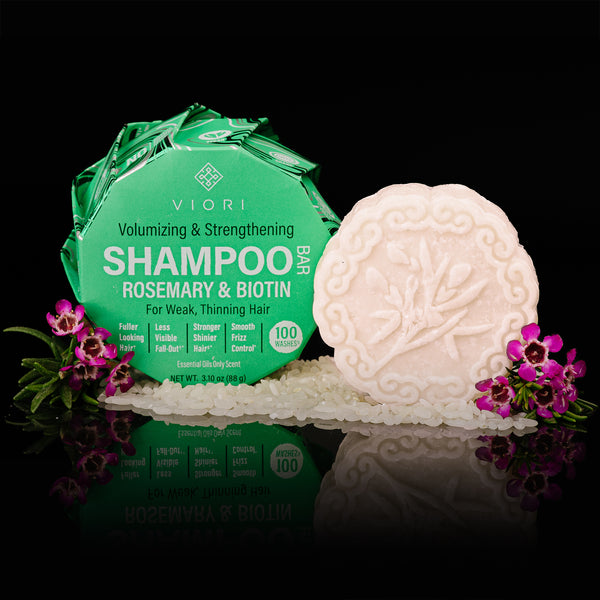
This is one reason I’m comfortable recommending a pH-balanced, measured approach like Viori. Viori uses a lower concentration of fermented Longsheng rice water specifically because high concentrations can throw off pH when used too frequently, and their products are designed to stay pH balanced.
Why fermentation matters (and why it’s not just marketing)
Plain rice water is mostly starches with small amounts of naturally occurring compounds. Fermentation changes the mixture-breaking components down and increasing certain useful byproducts. In practice, that can translate to hair that feels smoother, looks shinier, and behaves better during detangling.
Viori highlights a key point here: fermentation increases levels of inositol (vitamin B8) and panthenol (vitamin B5). These are well known in hair care for improving hair feel, flexibility, and resilience. And that matters because hair that bends and glides tends to break less.
Protein: the “hair growth” hero that can also be the villain
Rice water is often praised for strengthening. What people are usually noticing is a protein-like effect: hair feels more substantial, less limp, and less prone to snapping. But the most common mistake I see is using rice water like “more is more.” With protein, that’s not always true.
What protein support can do for your hair
- Temporarily reinforces weak spots on damaged strands
- Improves the feel of strength and elasticity
- Helps reduce breakage during brushing and styling
What happens when you overdo it
- Hair starts to feel stiff or “crunchy”
- Ends feel rough, grabby, and tangle easily
- Detangling becomes harder, which increases breakage risk
Viori addresses this issue in a way I really appreciate from a technical standpoint: they use a low concentration of rice protein that’s intended to be safe even for frequent use, rather than relying on a heavy, high-protein hit that can push hair into overload.
The real “growth” pathway: less friction, fewer tangles, fewer snapped ends
Here’s the chain reaction that decides whether you see length:
- Cuticle lifts (from harsh washing, pH issues, heat, or chemical wear)
- Hair tangles faster and feels rougher
- You detangle with more force (even if you’re being careful)
- The ends snap, split, and thin out
- It looks like your hair “won’t grow”
A rice-water routine that’s pH balanced, not overly concentrated, and paired with real conditioning slip can interrupt that cycle-so you actually keep the length you’re growing.
Don’t ignore your scalp: comfort is a clue
A healthy scalp environment supports consistent hair cycles and can reduce inflammation-driven shedding. Rice-water-based routines can be helpful when they’re gentle and consistent, but they’re not one-size-fits-all-especially if your scalp is reactive.
If you’re sensitive to fragrance or prone to irritation, an unscented option is often the simplest way to reduce variables. Viori Native Essence is their unscented collection (with only a faint natural grain note if you smell it up close), and it’s commonly the easiest starting point for fragrance-sensitive scalps.
A stylist-approved way to use rice water for longer hair
If your goal is stronger hair and better retention, this is the method I recommend-because it’s the method that respects the chemistry and the hair fiber.
Step 1: Choose a controlled, pH-balanced delivery
Consistency matters. A pH-balanced, formulated option helps you avoid the “random batch” problem that makes DIY routines so hit-or-miss. Viori’s bars are designed with pH balance in mind and use fermented rice water in a safer, measured concentration.
Step 2: Keep your protein dose reasonable
Watch how your hair responds. If you start noticing stiffness, tangles, or a rough finish, that’s your sign to scale back and lean more into conditioning and moisture support.
WHAT CUSTOMERS ARE SAYING
Real reviews for Rosemary Biotin Shampoo Bar – Thinning Hair | VIORI
Step 3: Wash with less friction (especially if color-treated)
Technique is underrated. Viori even recommends this for color-treated hair, and it’s excellent advice: lather in your hands and apply with your palms rather than rubbing the bar directly on the hair.
- Wet hair thoroughly
- Build lather in your hands
- Apply to scalp and gently massage with fingertips
- Let the lather rinse through the lengths instead of scrubbing the ends
Step 4: Condition like it’s part of your growth plan (because it is)
Conditioner is not just for softness. It reduces combing force, improves slip, and helps protect the hair until natural oils redistribute. Viori explains this concept well: cleansing can remove protective sebum, and conditioner helps replace that protective feel temporarily while supporting hair and scalp health.
Step 5: Give it a fair timeline
Some people notice changes quickly, but if you’re measuring real retention-less breakage and stronger ends-give your routine time to prove itself. Viori commonly recommends allowing 2-3 months before deciding it’s not for you, which aligns with what I’ve seen when clients are tracking meaningful change.
How to tell if rice water is truly helping your “growth”
Forget vague signs like “it feels thicker.” Use retention markers you can actually observe.
- Detangling time gets shorter
- Fewer short snapped hairs in the sink or brush
- Ends look denser and feel smoother between trims
- Less frizz from breakage around the perimeter and crown
- Scalp comfort improves (less tightness, itch, or dry flaking when dryness is the cause)
Choosing the right Viori bar for your hair and scalp type
If you want rice-water benefits without guessing, match your bar to your scalp behavior. That one choice can change everything about how your hair looks between washes.
- Citrus Yao: best suited for normal-to-oily scalps (helps break down oil effectively)
- Terrace Garden: ideal for normal-to-dry scalps and often a favorite for frizz-prone hair
- Hidden Waterfall: a flexible option for many normal hair types, with some oil-control character
- Native Essence: unscented and often the best starting point for sensitive scalps or anyone avoiding added fragrance
The takeaway
Rice water can be an incredible tool for longer hair-when you stop treating it like a hack and start treating it like hair science. Get the pH right, keep the protein dose reasonable, reduce friction, and don’t skip conditioning. Do that, and you’re not just hoping for growth-you’re building the conditions that let your hair finally keep what it’s already producing.


