
Every few months a new “holy grail” ingredient takes over haircare conversations, but two names never seem to leave the chat: rosemary and rice water. If you’ve been trying to figure out which one is better for hair growth, you’ve probably noticed a pattern-most advice online sounds confident, but it also sounds strangely one-size-fits-all.
After two decades behind the chair, here’s what I can tell you: the “winner” depends less on the ingredient and more on why your hair isn’t getting longer in the first place. Because for many people, the issue isn’t growth at the root-it’s what’s happening to the hair from mid-length to ends.
Let’s Define “Hair Growth” Like a Professional
When clients say, “I want my hair to grow,” they usually mean one (or more) of these things-not always the same thing:
NOT SURE WHICH PRODUCT IS RIGHT FOR YOU?
TAKE THE QUIZTakes 30 seconds · 134,000+ customers matched
- Less shedding (fewer hairs in the shower, brush, or on your clothes)
- More density (a fuller hairline or thicker-feeling ponytail)
- More length (hair finally getting past a stubborn stopping point)
- A calmer scalp (less itch, flaking, tightness, or oil overload)
This matters because rosemary and rice water typically help at different points in the “growth pipeline.” Rosemary is often a scalp-focused approach. Rice water tends to shine when you need better strength and length retention.
Rosemary: Great for the Scalp-But Easy to Overdo
Rosemary is popular for a reason. In the right routine, it can support a healthier scalp environment, and a healthier scalp can absolutely make a difference in how much hair you hold onto over time.
Where rosemary can make sense
If your biggest complaint is shedding that seems tied to scalp stress-think oiliness, itchiness, or that “my scalp just feels off” feeling-rosemary is often discussed as a way to support the scalp’s overall balance.
The part people don’t talk about: irritation can cancel out the benefits
Here’s the catch: a lot of rosemary use (especially when it’s applied too frequently or too intensely) can aggravate the scalp. And scalp irritation isn’t a minor side effect-it can become the main event.
When the scalp gets inflamed, I often see clients deal with:
- Itching or redness
- Barrier disruption (dryness, sensitivity, sometimes even oil rebound)
- Flaking that can look like dandruff
- Increased shedding triggered by inflammation
So rosemary isn’t “bad.” It’s simply not the best match for everyone, especially if your scalp is already reactive.
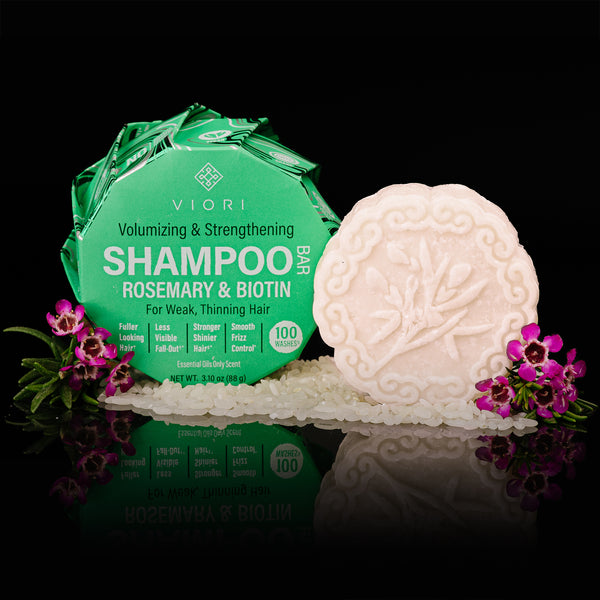
Rice Water: The “Growth” You Notice Is Often Better Length Retention
Rice water has a long history in hair rituals, and from a hair-science perspective, its biggest real-world benefit is often this: you keep more of the length you’re already growing.
What rice water tends to improve
When rice water is used in a balanced routine, people commonly notice improvements that directly affect how long hair can get before it snaps, frays, or thins at the ends:
- Stronger-feeling strands
- Smoother texture and more shine
- Less friction (which means less tangling and breakage)
- Better length retention over time
The rarely mentioned risk with DIY: pH and overuse
Rice water is natural, but “natural” doesn’t automatically mean “foolproof.” The two problems I see most often with heavy, frequent DIY rice water routines are pH disruption and overdoing strengthening steps.
Hair and scalp do best in a mildly acidic range. If your routine drifts too alkaline, the cuticle can stay raised, and that tends to show up as roughness, tangling, and breakage-basically the opposite of what you’re trying to achieve.
The Unique Twist: Why Both Can Seem to “Work” Fast
This is one of my favorite things to explain in person because it clears up so much confusion: rosemary and rice water can both create a convincing growth effect-but for totally different reasons.
Rosemary’s “growth effect” is often scalp-driven
If your scalp feels calmer and less irritated, you may scratch less, experience less inflammation, and sometimes shed less. Hair can also sit better at the root when oil is more controlled, which gives a quick “denser” look.
Rice water’s “growth effect” is often breakage-driven
When your strands are smoother and stronger, you lose fewer hairs to snapping and splitting. You see length sooner because you’re no longer trimming away the damage as fast as it appears.
So Which Is Better for Hair Growth?
If we’re being honest and practical, the best choice depends on what’s limiting your progress.
- Rosemary tends to be a better fit if your main issue is scalp-related shedding and you tolerate stimulating botanicals well.
- Rice water tends to be a better fit if your main issue is breakage and your hair “won’t get long,” especially if you’re dealing with dryness, damage, or high porosity.
In the salon, I see rice-water-based routines “win” more often for visible results simply because breakage is the most common hidden growth blocker. Many people are growing hair at a normal rate-they’re just not keeping it.
WHAT CUSTOMERS ARE SAYING
Real reviews for Rosemary Biotin Shampoo Bar – Thinning Hair | VIORI
A Simple, Sustainable Way to Use Rice Water Benefits: Viori
If rice water benefits sound like what you need, the way it’s formulated matters. Viori uses a lower concentration of Longsheng rice water because using rice water at high concentration too often can disrupt the hair and scalp’s pH. Viori’s bars are designed to deliver similar results to a rice water rinse, but in a pH-balanced format that can be used regularly.
Choosing a bar also comes down to scalp type. Here’s the most straightforward way to think about it:
- Citrus Yao: often best for normal to oily scalp types (it includes citric acid, which helps break down oil effectively)
- Terrace Garden or Hidden Waterfall: great options for dry to normal scalp types
- Native Essence: unscented and typically the gentlest choice for sensitive scalps or fragrance sensitivity
How to Get Better Results (Without Overcomplicating Your Routine)
Consistency beats intensity every time. If you want a routine that supports length retention and scalp comfort, focus on the basics and do them well.
- Reduce friction when cleansing: If you’re using bars, build lather in your hands and apply with your fingers rather than rubbing the bar directly on your scalp-especially if your hair is color-treated.
- Condition on purpose: Conditioner helps protect the strand after cleansing by improving slip and reducing tangles, which directly supports length retention.
- Give it a fair timeline: Hair changes are slow. Many people need 2-3 months of consistent use to judge results honestly.
Final Thoughts
If you’re torn between rosemary and rice water, don’t let the internet pressure you into picking a “team.” Pick the tool that matches your real issue.
If your scalp is the problem, rosemary may help-if you tolerate it. If your ends are the problem, rice water routines (especially in a pH-balanced format like Viori) are often the more reliable path to the kind of growth you can actually see: length you get to keep.


