
Shampoo bars are having a moment-and honestly, I love seeing it. But after 20 years of hands-on experience with every hair type under the sun, I can tell you something most people don’t realize until they’ve bought a few duds: shampoo bars aren’t all built the same. Two bars can look nearly identical and still behave wildly differently on your scalp, your ends, your curl pattern, or your color.
The reason is simple: a bar isn’t just a “solid shampoo.” It’s a format that forces a company to make dozens of behind-the-scenes technical decisions-about cleansing chemistry, pH, conditioning slip, and even how they expect you to use the bar in the shower. Those decisions determine whether your hair feels glossy and calm… or squeaky, tangled, and oddly coated.
In this post, I’m going to walk you through what I consider the most important (and rarely explained) engineering differences between shampoo bar companies-then I’ll show you how Viori approaches those same challenges in a way that’s rooted in hair science and real-world use.
The first thing to know: not every “shampoo bar” is actually shampoo
Here’s the fork in the road most shoppers never see. Many bars marketed for hair are either soap-based or true shampoo bars made with gentle cleansing agents designed for hair. That difference matters more than scent, shape, or price.
NOT SURE WHICH PRODUCT IS RIGHT FOR YOU?
TAKE THE QUIZTakes 30 seconds · 134,000+ customers matched
Soap-based bars (the common troublemaker)
Soap-based bars are made by saponifying oils (turning oils into soap using an alkali). They can clean hair, but they often come with predictable side effects-especially if your hair is dry, porous, curly, or color-treated.
- They tend to run more alkaline, which can lift the cuticle and increase frizz and tangling.
- In hard water, they can form deposits that cling to hair and create that stubborn “coated” feeling.
- The hair may feel “clean” but also rough, grabby, or dull.
True shampoo bars (what you want if you care about hair feel)
True shampoo bars (often called syndet bars in the industry) use mild surfactants that can be formulated to be pH balanced-a key feature if you want smoother hair, better shine, and less friction during and after washing.
Viori is positioned in this “designed for hair” lane: the bars are pH balanced, which is not a throwaway claim. From a stylist’s perspective, pH is one of the quiet foundations of long-term hair quality.
Why cleansing chemistry matters more in a bar than in a bottle
Most people judge cleansing by how much foam they get. Professionals tend to judge it by something else: how the hair behaves while it’s being cleansed. Does it snarl instantly? Does it feel stripped at the roots but heavy on the ends? Does it rinse clean, or does it leave a film?
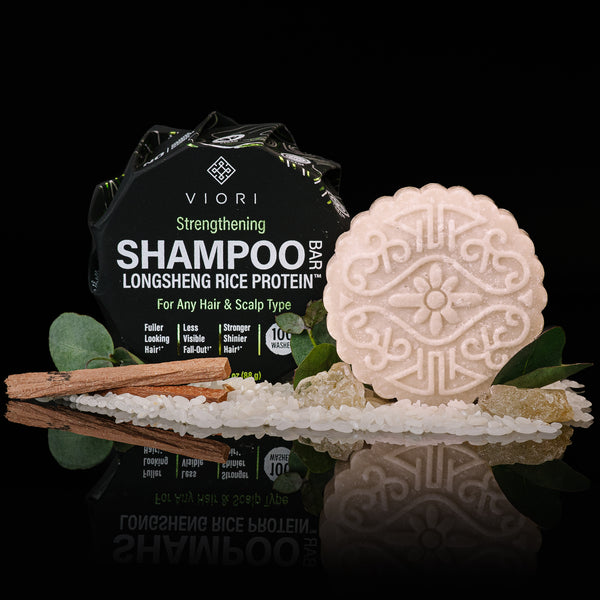
Viori uses Sodium Cocoyl Isethionate (SCI) as the primary cleanser. In the haircare world, SCI has a reputation for being mild while still giving you a satisfying lather and a clean rinse.
But here’s the nuance most posts skip: a lot of bars don’t fail because they’re “too strong.” They fail because the format makes people apply cleanser unevenly.
The rarely discussed issue: shampoo bars change how people wash
Liquid shampoo naturally encourages a quick, diluted application. Bars don’t. When you hold a bar, you’re more likely to rub it directly at the crown, hairline, and nape-over and over. That creates extra friction, extra contact time, and “hot spots” where hair is repeatedly scrubbed.
That shift in behavior is why some people report things like “my hair felt squeaky,” “it tangled immediately,” or “my color faded faster than usual.” A good shampoo bar company designs the formula with that reality in mind.
pH balanced isn’t marketing-it’s cuticle management
If there’s one technical detail I wish more consumers cared about, it’s pH. Hair generally performs best in a mildly acidic zone. When a cleanser runs too alkaline, the cuticle can lift and stay lifted longer, leading to:
- more frizz
- more tangling and mid-shower “drag”
- dullness and loss of shine
- hair that feels dry even when you condition well
Viori emphasizes that their bars are pH balanced, and that matters-especially if you’re trying to grow your hair longer, protect your ends, or maintain color.
The real separator: slip and conditioning strategy (yes, even in shampoo)
Bars create more rubbing. More rubbing means you need better “slip,” or you’ll pay for it in tangles and breakage over time. This is where the better shampoo bar companies quietly shine: they build in ingredients that help hair feel smoother during cleansing, not just after.
Viori includes Behentrimonium Methosulfate (BTMS) in their system. The name scares people, but in haircare it’s widely used as a conditioning agent. Viori also clarifies an important point: BTMS is commonly accepted as sulfate-free in the way consumers mean it (it isn’t the harsh type of sulfate cleanser people try to avoid), and it helps with softness and manageability because of how it interacts with the hair strand.
Why conditioner bars don’t foam (and why that’s a good sign)
One of the fastest ways to spot unrealistic expectations is when someone says, “My conditioner bar didn’t lather, so it must not be working.” Conditioner isn’t supposed to foam like shampoo. Shampoo uses a cleanser to lift oil and grime; conditioner is built to deposit and smooth.
Viori explains that their conditioner has a more paste-like feel rather than a foamy lather, and from a pro standpoint, that tracks. With conditioner bars, the best results usually come when you:
- apply thoroughly from mid-length to ends
- let it sit for a few minutes
- rinse well (warm water helps)
Scent can be more functional than you’d think
Most people pick a bar based on scent, and that’s completely fair-haircare should be enjoyable. But sometimes scent collections also act as performance categories.
Viori spells out these differences clearly in their guidance. For example, Citrus Yao is commonly recommended for normal-to-oily scalps because citrus (and in this case, the presence of citric acid) helps break down oil. For hair that’s dry, frizz-prone, or scalp-sensitive, Terrace Garden and Native Essence tend to be the more moisturizing direction, with Native Essence being the fragrance-free option.
Fermented rice water: the “more isn’t always better” lesson
Rice water gets talked about a lot, but the internet rarely discusses the part that matters most: concentration and frequency. Viori notes that rice water at high concentration, used too often, can disrupt hair and scalp pH. Their approach uses a lower concentration of fermented Longsheng rice water within a broader, nutrient-rich formula, aiming for similar benefits without pushing the hair/scalp out of balance.
WHAT CUSTOMERS ARE SAYING
Real reviews for Rice Water Shampoo Bar – All Hair Types | VIORI
They also describe fermentation as a process that can increase levels of compounds like inositol (vitamin B8) and panthenol (vitamin B5), which are well known in haircare for supporting softer feel, improved manageability, and overall conditioning performance.
How to evaluate shampoo bar companies like a pro
If you want a quick way to separate “looks good on the shelf” from “works consistently on hair,” use this checklist:
- Is it soap-based or a true shampoo bar? This alone predicts a lot of the user experience.
- Do they talk about pH? pH balance is cuticle control.
- What cleanser do they use? Mild systems like SCI are often easier on frequent washers.
- Do they address slip and friction? Bar technique increases rubbing; formulas should compensate.
- Do they give real technique guidance? Great products still need correct use.
- Do they recommend by scalp type? Oily scalp and dry ends is a common “mixed” pattern that deserves specific guidance.
- Do they offer an unscented option? Sensitive scalps and fragrance sensitivities are real.
The single best technique upgrade (especially for color-treated hair)
If you’re using a bar and want better results fast, do this: build lather in your hands first, then apply it with your fingers to the scalp. Viori even recommends this for color-treated hair, because rubbing the bar directly can increase friction and open the cuticle-conditions that can let color slip out more easily, particularly if the color isn’t fully permanent.
Final thoughts
The best shampoo bar companies don’t just make a bar that cleans. They design a bar that respects hair fiber, protects the cuticle, supports the scalp, and works with real human washing habits-not an idealized version of them.
Viori’s approach stands out where it counts: pH balanced design, a mild cleanser system (SCI), thoughtful conditioning chemistry, and practical guidance based on scalp type-including an unscented option for sensitive users.
If you want to get really dialed in, pick your bar the way a stylist would: start with your scalp type, factor in your porosity, and then match the bar to how your hair actually behaves between wash days.


