
Solid travel shampoo sounds like the simplest swap in the world: ditch the bottle, pack a bar, move on with your life. But if you’ve ever tried a bar on a trip and ended up with hair that felt squeaky, frizzy, coated, or strangely heavy, there’s a real reason-and it’s not that “bars don’t work.”
Here’s the part most travel guides skip: when you travel, the biggest change usually isn’t your shampoo. It’s your water. Different minerals, different disinfectants, different pressure, different temperatures-all of it affects how your hair behaves. And because a bar is essentially a concentrated cleanser, those changes show up faster and more dramatically than they do with liquid shampoo.
Why solid shampoo can feel so different from liquid
A liquid shampoo is pre-diluted and dispenses in a predictable amount. A solid bar is more like a concentrate-you create the dilution yourself as you wash. That means performance shifts depending on things you don’t normally think about, like how wet your hair is, how long you lather, and whether the shower water is mineral-heavy.
The good news is that once you understand the “mechanics,” solid shampoo becomes incredibly consistent and travel-friendly. The trick is treating it like a professional product, not like a bar of hand soap.
NOT SURE WHICH PRODUCT IS RIGHT FOR YOU?
TAKE THE QUIZTakes 30 seconds · 134,000+ customers matched
The critical distinction: shampoo bar vs. soap bar
“Shampoo bar” is used as a catch-all phrase online, but there’s an important technical difference that can make or break your experience-especially on the road.
1) Surfactant-based shampoo bars (the haircare-style bar)
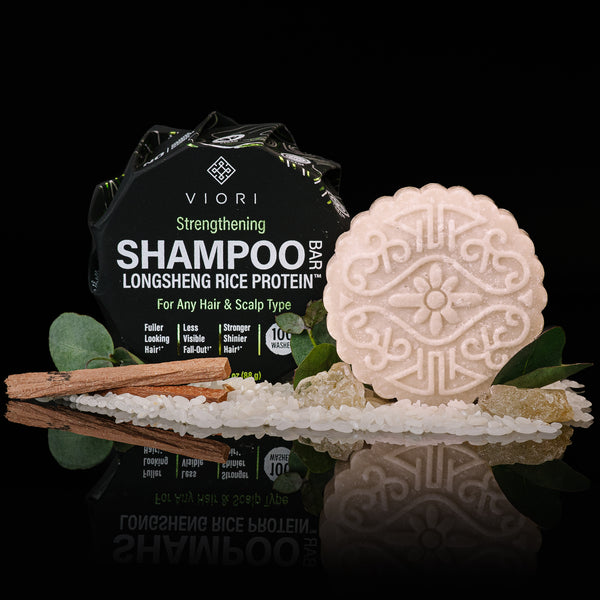
These are built with solid cleansing agents (surfactants) that are commonly used in modern haircare, just pressed into bar form. Viori uses Sodium Cocoyl Isethionate (SCI), a mild cleanser often praised for producing a rich lather without relying on harsh cleansing systems.
From a stylist’s perspective, this matters because surfactant-based bars tend to be more predictable across different water types and are easier to keep in a hair-friendly range.
2) Soap-based bars (saponified oils)
Soap bars are created through saponification (turning oils into soap). Soap can be more alkaline, and it’s more likely to react with hard water minerals in a way that leaves hair feeling rough or coated. In travel scenarios-where hard water is common-this can quickly turn into “my hair hates this bar,” even when the real issue is chemistry.
The “hidden ingredient” in every hotel shower: water chemistry
At home, you’re used to your water. On a trip, you might be dealing with totally different conditions. And hair is surprisingly sensitive to those changes.
- Hardness (calcium and magnesium levels)
- Chlorine or chloramine used for disinfection
- pH shifts in the water supply
- Temperature and pressure swings from unfamiliar plumbing
Hard water, in particular, tends to increase friction. That friction shows up as tangling in the shower, a “squeak” when you rinse, and more frizz when you dry. It’s not necessarily that your hair isn’t clean-it’s that the cuticle doesn’t feel as smooth.
pH balance: the travel-friendly detail that protects hair
One of the fastest ways to make hair feel rough and dry is washing with something that’s overly alkaline. When pH is too high, the cuticle can lift, which increases swelling and friction. Over time, that can translate into dullness, frizz, and damage-especially when you’re already stressing hair with sun, wind, saltwater, and heat styling on the go.
Viori specifically notes its bars are pH balanced, which is a big deal for travel hair because it helps keep the cuticle behaving more like it does at home.
Why some bars “clean” but still leave hair feeling off
Hair isn’t a smooth tube-it’s layered like shingles. When those layers are lifted (dry climate, UV exposure, salt, wind, frequent washing), hair catches on itself. That’s when you get tangles, roughness, and the kind of frizz that seems to appear out of nowhere.
A well-designed cleansing step should remove oil and buildup without leaving hair feeling raw. Viori’s formulas include ingredients used to support manageability-like Behentrimonium Methosulfate, a conditioning agent that improves slip and feel. (Despite the name, it’s not the same thing as common harsh sulfate cleansers.)
Scent isn’t always “just scent”-it can affect how a bar fits your scalp
Most people choose a bar based on fragrance preference, but there’s a more practical angle for travel. Viori points out that while the base formula is consistent, certain scent systems can align better with certain scalp needs.
For example, Citrus Yao contains citric acid, which can help break down oil. If you get oilier on trips (very common in humid climates or when you’re more active), that detail can matter more than you’d expect.
The real enemy of solid travel shampoo: packing it wet
If you’ve ever opened your travel case to find a mushy bar, a gummy surface, or a bar that suddenly seems to be disappearing twice as fast, you’ve run into what I call a microclimate problem: warm + damp + no airflow.
Here’s the simplest upgrade that changes everything: two-phase drying.
- After you shower, leave the bar out in open air for 15-60 minutes so the surface moisture can evaporate.
- Once it’s no longer tacky to the touch, pack it into your container.
This one habit keeps the bar firm, improves dosing (you don’t pick up too much product at once), and dramatically extends how long it lasts.
The lowest-damage way to use a bar (especially if your hair tangles easily)
Friction is the silent troublemaker with bars. Done the wrong way, it can rough up the cuticle and make detangling harder than it needs to be. Viori recommends a technique I also prefer in the salon: build lather in your hands first.
- Wet hair thoroughly.
- Rub the bar between your palms to create lather.
- Apply the lather to your scalp with your fingertips.
- Let the runoff cleanse mid-lengths and ends.
Skipping direct bar-to-hair friction is especially helpful if your hair is color-treated or prone to breakage.
Why conditioner matters more on trips
Travel hair is exposed to more: sun, wind, dry cabin air, salty ocean water, chlorinated pools, and rushed styling. Conditioner helps smooth the cuticle and temporarily replaces some of the protective feel you lose during cleansing.
WHAT CUSTOMERS ARE SAYING
Real reviews for Rice Water Shampoo Bar – All Hair Types | VIORI
Viori also explains a key detail many people don’t realize: conditioner is typically positively charged, which helps it cling to hair and improve slip-making hair easier to detangle and less prone to snapping under tension.
A quick travel treatment: the “micro-mask”
When hair starts acting extra frizzy or rough on a trip, you don’t always need a full deep treatment-you need a little more time.
- Apply conditioner mid-lengths to ends.
- Let it sit for 5 minutes.
- Rinse well.
It’s simple, it’s realistic in a hotel shower, and it can make a noticeable difference in softness and shine.
How to choose your Viori bar for travel (based on scalp behavior)
If you want consistent travel results, choose based on what your scalp does-not just what you like aesthetically.
- If your scalp gets oily quickly, Citrus Yao is commonly recommended.
- If your scalp leans normal-to-dry, Terrace Garden and Hidden Waterfall are often great fits.
- If you’re fragrance-sensitive or your scalp is reactive, Native Essence (unscented) is typically the gentlest option.
One final travel tip: your “vacation scalp” may not match your “home scalp.” Humidity, sweat, hats, and sunscreen around the hairline can all shift oil production. Packing with that in mind is one of the easiest ways to avoid bad hair days on the road.
A simple, travel-proof routine that works in most water conditions
If you want the cleanest, most reliable results with a solid travel shampoo, follow this exact order:
- Rinse for 60-90 seconds before you apply anything.
- Lather in hands and cleanse the scalp-avoid grinding the bar into your lengths.
- Rinse thoroughly (bars are concentrated, and under-rinsing is common).
- Condition mid-lengths to ends and let it sit for 2-5 minutes.
- Use two-phase drying before packing the bar away.
Do that, and solid travel shampoo stops being a gamble. It becomes one of the easiest ways to keep hair looking good anywhere-without leaks, without TSA stress, and without sacrificing performance.


