
If you’ve ever fallen down the rabbit hole of “best hair products” lists, you already know how it goes: one product promises shine, another promises growth, and somehow your bathroom ends up full while your hair still feels… unpredictable.
After two decades behind the chair, here’s what I’ve learned the hard way: “best” is almost never a single product. It’s a routine that keeps your scalp comfortable, your cuticle smooth, and your hair strong enough to hold onto length. In other words, the real answer isn’t a shopping list-it’s a system.
In this post, I’ll show you how to think like a pro using the hair-science fundamentals most roundups ignore: pH balance, cuticle behavior, charge and slip, friction, and cleansing selectivity. Then we’ll translate all of that into a simple, real-life routine using Viori.
Why “Best” Isn’t a Product Question (It’s a Compatibility Question)
When someone asks me what the “best” products are, what they’re usually asking is: “What will make my hair easier, healthier, and better-looking without a ton of effort?” That’s fair. The catch is that hair responds to context-your scalp type, your porosity, your styling habits, even how often water hits your hair.
NOT SURE WHICH PRODUCT IS RIGHT FOR YOU?
TAKE THE QUIZTakes 30 seconds · 134,000+ customers matched
A better way to frame the search is this: Which routine creates the most stable, healthy conditions for my hair over time? Stability is the quiet secret behind shine, softness, frizz control, and length retention.
- Scalp type: oily, normal, dry, sensitive
- Porosity: how easily hair absorbs and holds moisture
- Cuticle condition: smooth vs. lifted/damaged
- Color/chemical history: what your hair has been through
- Styling load: how many leave-ins, creams, sprays, and tools you use
The Hidden Backbone of Great Hair: pH and Cuticle Control
Your cuticle is like a roof made of overlapping shingles. When those “shingles” lie flatter, hair generally looks shinier, feels smoother, tangles less, and frizzes less. When they lift, hair catches on itself, snags, and looks duller-even if you’re using “nice” products.
One of the biggest long-game factors that influences cuticle behavior is pH. Hair and scalp tend to do best when products stay in a hair-friendly range (commonly referenced around pH 3.5-6.5). Consistency matters because repeated exposure to overly alkaline routines can make hair feel rough and behave like it’s always thirsty.
Viori bars are formulated to be pH balanced, which is a big deal in bar-based routines. Bars sometimes get labeled “drying” online, but the real issue isn’t “bar vs. bottle”-it’s whether the formula is built for hair’s needs.
The Thing Most “Best Of” Lists Miss: Friction Is Damage
Want a surprisingly accurate predictor of whether your hair will retain length? It’s not a trendy ingredient-it’s friction.
Hair doesn’t only break because it’s “weak.” It breaks because it gets stressed mechanically: rough detangling, aggressive towel drying, constant snagging, and repeated abrasion while wet (when hair is most vulnerable). That’s why the unsung hero of a great routine is often the conditioner-not because it’s “luxurious,” but because it improves slip.
Why slip is more than a “feel good” feature
Hair carries a negative charge, especially when it’s damaged. Conditioners that use positively charged conditioning agents can cling where the hair needs the most help, improving detangling and smoothing the cuticle. Viori conditioner bars include behentrimonium methosulfate (BTMS), a conditioning ingredient known for helping with slip and manageability.
The practical outcome? Less tugging. Fewer snapped strands. Better day-to-day ease. And over time, that adds up to stronger-looking hair that keeps its length.
Shampoo Should Be Selective-Not Aggressive
A shampoo doesn’t need to feel harsh to be effective. The goal is to remove what you don’t want (excess oil, grime, buildup) without creating a scalp that feels tight, itchy, or reactive.
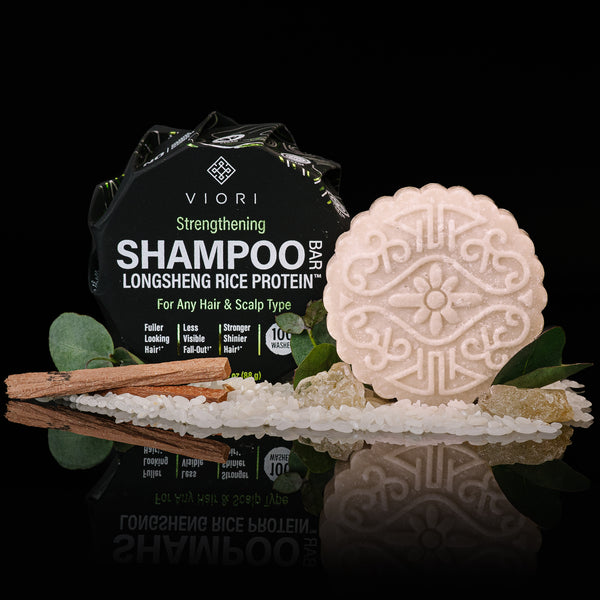
Viori uses sodium cocoyl isethionate (SCI) as its cleanser, often described as a mild, effective cleansing agent. What I like about that approach in a routine is that it supports the “clean but not punished” sweet spot-especially for people who wash regularly.
The rebound cycle no one warns you about
When cleansing is too aggressive, some scalps swing the other way and overcompensate. If you’ve ever felt like you get oilier faster the more you wash, you’ve seen why “stronger” isn’t always better. A great routine should help your scalp feel more stable over time, not stuck on a rollercoaster.
Yes, Scent Can Change How a Routine Behaves
Most people choose scent purely for preference, and that’s totally valid. But here’s a nuance that rarely gets explained: in some formulas, fragrance blends can slightly shift performance-especially when certain components support oil breakdown or change the feel of the hair after rinsing.
Viori is unusually transparent about this. While the bars share a core formula, the scent profiles can influence which hair/scalp types they tend to suit best.
- Citrus Yao: often recommended for normal-to-oily scalps; it includes citric acid, which helps break down oil effectively
- Terrace Garden: commonly chosen for normal-to-dry scalps and for people chasing a more moisturized feel
- Hidden Waterfall: a balanced choice many people enjoy for normal hair (and it’s often a comfortable middle ground)
- Native Essence: unscented, no added fragrance-ideal for those who are scent-sensitive or want the gentlest option
Protein: The Best Amount Is Usually “Enough,” Not “More”
The internet loves extremes with protein. In real hair life, protein is about dosage and frequency. Too much protein too often can make certain hair types feel stiff or rough. Too little support (especially for damaged or high-porosity hair) can leave hair limp and fragile.
Viori uses a low concentration of rice protein and incorporates fermented Longsheng rice water components in a way designed to be safe for regular use. The goal is support without pushing hair into that brittle, overdone feeling.
The Bar Technique That Changes Everything (Especially for Color-Treated Hair)
If you only take one practical tip from this post, take this: don’t turn wash day into an exfoliation session for your hair.
With bar formats, it’s easy to accidentally add extra friction by rubbing the bar directly on the head. For anyone with color-treated hair (especially less permanent color), that mechanical stress can work against you over time.
- Build lather in your palms instead of scrubbing the bar on your hair
- Apply with your fingers, focusing shampoo at the scalp
- Let the suds cleanse the lengths as you rinse-avoid roughing up the ends
- Condition mid-length to ends for slip and protection
How to Choose the Best Viori Routine (Stylist Method)
Most people actually have two different sets of needs: the scalp needs balance and cleanliness, while the ends need protection and lubrication. This is where smart pairing makes a bigger difference than chasing a “best” label.
WHAT CUSTOMERS ARE SAYING
Real reviews for Rice Water Shampoo Bar – All Hair Types | VIORI
If your scalp is oily
Citrus Yao Shampoo + Conditioner is typically the most targeted option, especially if you’re trying to feel fresher longer.
If you have oily roots but dry ends (very common)
Use a split approach: Citrus Yao Shampoo on the scalp, then choose a more moisturizing conditioner option on the ends like Terrace Garden, Hidden Waterfall, or Native Essence.
If your scalp and hair run dry or frizzy
Start with the more moisturizing direction: Terrace Garden or Native Essence. Pairing that with thorough conditioning (and gentler water temperature) can make a noticeable difference in softness and frizz over time.
If you’re sensitive or fragrance-reactive
Native Essence is the cleanest starting point since it’s unscented (no added fragrance).
What “Best” Looks Like After 2-3 Months (Not After One Wash)
Haircare isn’t a one-wash audition. The results that matter-scalp comfort, less breakage, better manageability-tend to show up as patterns. That’s why it’s smart to give a routine time to settle. Many people do best evaluating over 2-3 months, not 2-3 showers.
- Your scalp feels calmer and more consistent
- Detangling gets quicker, with less shedding from breakage
- Your ends feel softer between trims
- Your hair looks shinier without needing to pile on styling product
- You can go longer between washes (without feeling greasy or dry)
Final Thought: The Best Hair Routine Is the One That Stays Good
The “best” products aren’t the ones that give you one amazing wash day. They’re the ones that keep your hair in a healthy zone-where the cuticle behaves, the scalp feels normal, and your length stops disappearing to friction and breakage.
If you want to dial this in even further, pick your Viori routine based on your scalp type first, then adjust based on how your mid-lengths and ends respond. That’s how you build a system that works in real life-not just on paper.


