
Most hair advice online is packaged like entertainment: quick hacks, pretty photos, and a lot of “you just need the right product.” But in the salon world, I’ve watched the same pattern for years-people don’t struggle because they’re doing everything wrong. They struggle because nobody ever gave them a system.
Hair is a fiber. Scalp is skin. And once you start using shampoo and conditioner bars-especially high-quality, pH-conscious bars like Viori-your results depend heavily on something most people never think about: application mechanics. In other words, how you use the product matters almost as much as what you’re using.
This post breaks down the less-discussed, more technical side of hair routines-without turning it into a chemistry lecture. Think of it as the “behind the chair” explanation you should’ve gotten years ago.
The unique angle: haircare is an interface problem
Here’s the truth that rarely gets said out loud: shampoo and conditioner bars change the experience of washing your hair because they introduce a new variable-friction. Liquids disperse quickly and evenly. Bars can tempt you to rub product directly onto the hair and scalp, and that single habit can create most of the complaints people blame on the formula.
NOT SURE WHICH PRODUCT IS RIGHT FOR YOU?
TAKE THE QUIZTakes 30 seconds · 134,000+ customers matched
Why friction matters more than you think
When you rub a bar directly on your head, you can increase:
- Mechanical abrasion (which can roughen the cuticle over time)
- Localized concentration (too much cleansing in one area)
- Tangling (especially at the crown and nape)
- Color fade risk (because friction can lift the cuticle and encourage pigment loss in less-stable color)
That’s why Viori recommends a technique that sounds simple but makes a real difference: get a lather in your palms and apply with your hands instead of rubbing the bar directly on your scalp. It’s a small adjustment that often improves softness, reduces snagging, and helps hair feel more consistent from wash to wash.
The first question should be scalp type-not hair type
People love to describe their hair as “oily,” “dry,” “frizzy,” or “damaged.” Those words aren’t useless, but they’re incomplete. If you want a routine that actually behaves, start with scalp type-because your scalp is living skin that produces oil on its own schedule.
A practical way to identify your scalp type
Use timing. It’s simple, and it’s surprisingly accurate:
- Oily scalp: feels oily again about 1-2 days after washing
- Normal scalp: starts feeling oily around day 3
- Dry scalp: doesn’t feel oily until day 4+ (or stays tight/itchy)
The scenario most people have: oily scalp, dry ends
This combination is incredibly common. Your roots can get oily quickly while your ends feel dry because the ends are older, more weathered fiber-and oil doesn’t always travel down the strand evenly, especially if the hair is textured, porous, or color-treated.
Viori’s recommendations support a smart “zone” approach:
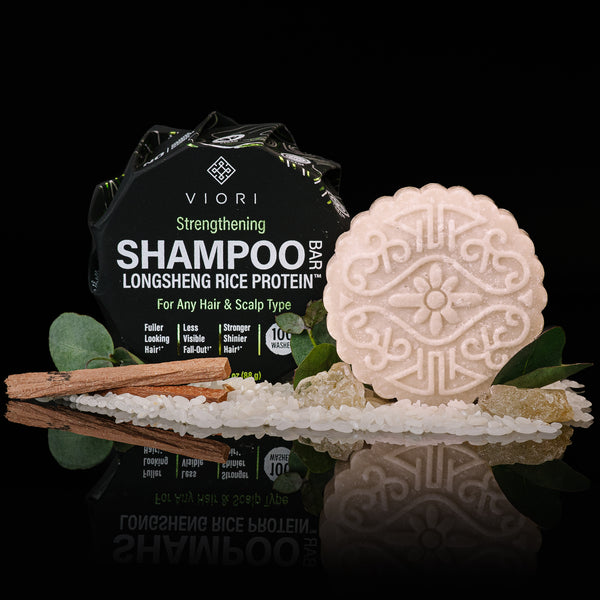
- For normal to oily scalps, many people do best starting with Citrus Yao.
- For dry to normal scalps, a more moisturizing direction is often Terrace Garden, Hidden Waterfall, or Native Essence.
- If you’re oily at the scalp but dry on the ends, it can help to shampoo with Citrus Yao and condition the mid-lengths/ends with Terrace Garden, Hidden Waterfall, or Native Essence.
pH isn’t a buzzword-it's the long game
“pH balanced” gets tossed around so much that it’s easy to ignore. But from a hair-fiber perspective, pH is one of those quiet variables that shows up later as frizz, dullness, tangling, and breakage.
Viori explains it plainly: hair products are best when they stay in a range that supports hair integrity. When a routine runs too alkaline over time, hair can feel rougher, and that roughness tends to snowball into more friction and more damage.
The part most people miss: your routine is a sequence
A good wash day isn’t just “cleanse and hope for the best.” It’s a deliberate order of operations:
- Cleansing removes excess oil and buildup from the scalp and strand surface.
- Conditioning restores slip and protection, helping hair feel smoother and less vulnerable between washes.
Viori also points out an important detail: conditioner is positively charged, which helps it adhere to the hair fiber after washing. That’s one reason conditioner is so effective at improving feel and manageability-even when your hair “looks fine” without it.
Why conditioner bars don’t lather (and why that’s normal)
I hear this one all the time: “My conditioner bar isn’t working because it doesn’t lather.” But lather is a cleansing signal, not a conditioning signal.
Viori shampoo bars contain a cleanser that creates foam and helps remove oil and dirt. Conditioner bars are built to behave differently-more creamy or paste-like-because their job is to deposit conditioning agents and improve slip, not create bubbles.
If you want your conditioner bar to perform at its best, focus on technique instead of foam:
- Apply from mid-lengths to ends (especially if your scalp gets oily).
- Work it through thoroughly with your hands.
- Let it sit for a few minutes before rinsing.
- Rinse well-conditioning should feel silky, not coated.
Porosity: the missing link behind “buildup” and “it feels weird”
If someone tells me, “My hair feels heavy,” “it’s coated,” or “I’m getting buildup,” I don’t jump straight to blaming the product. I ask about porosity-your hair’s ability to absorb and retain moisture.
Viori shares a simple porosity check many people can do at home: place a clean strand of hair in water. If it floats, that often points to low porosity; if it sinks quickly, that often suggests high porosity.
In plain terms:
WHAT CUSTOMERS ARE SAYING
Real reviews for Rice Water Shampoo Bar – All Hair Types | VIORI
- Low porosity hair can be more prone to buildup and often prefers lighter-feeling routines.
- High porosity hair tends to absorb quickly but lose moisture quickly, so it often benefits from extra conditioning support and gentle handling.
Scent isn’t just “nice”-it affects consistency (and sensitivity)
Scent is usually treated like a fun extra, but it plays a real role in whether people stick with a routine. It can also matter for anyone with fragrance sensitivity.
Viori’s scent options are distinct, and choosing based on your comfort level is part of building a routine you’ll actually use:
- Terrace Garden: fresh, green, floral-noticeable but not overpowering
- Hidden Waterfall: sweet, vanilla, musk
- Native Essence: unscented (with a very subtle earthy grain note up close)
- Citrus Yao: bright, mixed citrus burst
The most trust-building content (and the most useful): troubleshooting
If there’s one thing I wish every hair site would do better, it’s this: don’t just teach people what to buy-teach them what to do when something feels off. The fastest way to build confidence is to name the predictable “failure points” and fix them.
Common issues and what usually causes them
- Color seems to fade faster: reduce friction; lather in your hands; avoid scrubbing directly with the bar
- Flakes and irritation: distinguish between oily scalp dandruff and dry scalp dryness; choose the bar direction accordingly
- Not seeing results yet: routines need consistency-Viori recommends giving it 2-3 months before deciding it’s not for you, since results vary person to person
A simple Viori routine blueprint you can actually follow
If you want a routine that feels professional but doesn’t require a spreadsheet, use this structure:
- Identify your scalp type (oily, normal, or dry based on how soon oil returns).
- Shampoo using the palm-lather method, focusing on the scalp.
- Condition from mid-lengths to ends, let it sit a few minutes, then rinse thoroughly.
- Choose a bar direction:
- Citrus Yao for normal-to-oily scalps
- Terrace Garden, Hidden Waterfall, or Native Essence for dry-to-normal scalps
- Native Essence if you’re sensitive to fragrance
- Stay consistent and reassess after several weeks-hair patterns change with time and technique.
Final thoughts: great hair isn’t a mystery-it’s a method
A beautiful routine isn’t built on hype. It’s built on repeatable steps: understanding your scalp, respecting the hair fiber, keeping friction under control, and conditioning with intention.
When you approach haircare like a system-especially with thoughtfully made bars like Viori-you stop guessing. And that’s when hair starts behaving the way you’ve been trying to get it to behave all along.


