
Walk into any beauty store today and you'll find dozens of products claiming chamomile as a star ingredient. But here's what most consumers don't realize: the chamomile shampoos that gained cult followings in the 1980s and 90s bore almost no resemblance to what's marketed as "chamomile shampoo" today.
After twenty years behind the chair, I've witnessed countless reformulations, ingredient trends, and marketing pivots. But examining the technical architecture of traditional chamomile-based formulations reveals something fascinating-not just about what we've lost, but about the fundamental compromises modern "clean beauty" has made in the name of convenience, consistency, and shelf stability.
This isn't a nostalgia piece. It's a deep dive into formulation chemistry that reveals critical insights about how botanical ingredients actually work-and why understanding traditional approaches can inform better choices today.
The Extraction Method That Changed Everything
How Traditional Chamomile Was Actually Processed
The chamomile formulations from early natural hair care pioneers typically employed something rarely seen today: a dual-extraction process that captured the plant's full therapeutic profile.
Here's how it worked:
Step One: Cold maceration in vegetable glycerin to capture water-soluble compounds like flavonoids and polysaccharides.
Step Two: Secondary CO2 extraction or oil infusion to capture fat-soluble compounds like bisabolol and chamazulene.
Step Three: Recombination of both extracts in the final formula.
This created a complete chamomile profile containing:
- Apigenin and luteolin - flavonoid antioxidants that protect hair from environmental damage
- Alpha-bisabolol - an anti-inflammatory compound that actually penetrates the hair cuticle
- Chamazulene - the distinctive blue compound formed during extraction with deep anti-inflammatory properties
- Matricin - converts to chamazulene and provides wound-healing properties for the scalp
What happened to this approach?
NOT SURE WHICH PRODUCT IS RIGHT FOR YOU?
TAKE THE QUIZTakes 30 seconds · 134,000+ customers matched
Modern chamomile shampoos typically use one of these shortcuts:
- Standardized chamomile extract (usually just 4% apigenin-one isolated compound)
- Synthetic bisabolol (manufactured in a lab)
- Chamomile fragrance oil with minimal actual botanical content
The technical reason? The traditional dual-extraction process creates batch-to-batch variability that conflicts with modern manufacturing's demand for absolute consistency.
But here's what that consistency costs: the loss of synergistic compounds that work together in ways isolated constituents simply cannot replicate.
Think of it like this-you can isolate and synthesize the chemical that makes oranges smell like oranges. But that single compound will never match the complexity of actual orange essential oil, which contains hundreds of complementary molecules working in harmony. The same principle applies to chamomile.
The pH Paradox: Why Chamomile Created Unique Technical Challenges
Here's where formulation chemistry gets really interesting.
Chamomile extracts, particularly concentrated ones, naturally create a slightly alkaline environment-pH 7.5 to 8.5. This creates a paradox because optimal hair health requires an acidic pH of 4.5 to 5.5 to keep the cuticle layer sealed and smooth.
The Traditional Solution: Dynamic pH Systems
Early natural formulators would counterbalance chamomile's alkalinity with naturally acidic ingredients:
- Citric acid derived from lemon
- Apple cider vinegar
- Acidic herbal extracts like nettle or horsetail
This created what I call a "dynamic pH system"-and it's absolutely brilliant once you understand the mechanism:
During application: The formula starts slightly higher in pH, which helps cleansing agents work effectively and allows the hair cuticle to swell slightly, opening to receive beneficial chamomile compounds.
During rinsing: The acidic components lower the pH, helping seal the cuticle back down with those beneficial compounds now trapped inside the hair shaft.
The Modern Approach: Static pH
Contemporary formulations maintain a consistent pH through synthetic buffering systems. This is more predictable, more stable, and creates a more uniform experience.
But it eliminates that intentional cuticle open-and-close mechanism that enhanced ingredient deposition.
Professional observation: I've had clients who saved vintage natural chamomile shampoos report a distinctive feel-their hair feels fuller and textured during washing, then settles into exceptional smoothness afterward. That's likely this dynamic pH interaction at work, creating temporary volume during application that resolves into sleekness after rinsing.
Modern static-pH formulas feel the same throughout the process-consistent, yes, but they miss that functional complexity.
The Forgotten Power of Plant-Based Cleansing
What Natural Saponins Brought to the Formula
Here's something most people don't know: chamomile contains naturally occurring saponins-compounds that create mild surfactant (cleansing) action.
While saponins aren't powerful cleansers on their own, they performed a crucial role in early natural formulations through what chemists call "co-surfactancy."
What saponins actually did:
- Created a "bridging" effect between oil, dirt, and water
- Reduced the amount of primary surfactant needed
- Provided scalp-soothing properties during the cleansing process itself
- Generated a different foam structure-less voluminous but more substantive
Why this approach disappeared:
- Saponin content varies by chamomile source and growing conditions (consistency problem)
- Consumers expect abundant, immediate lather (expectation problem)
- Modern surfactant systems are simply more efficient (effectiveness problem)
But here's what's overlooked: chamomile saponins cleansed while simultaneously depositing beneficial compounds.
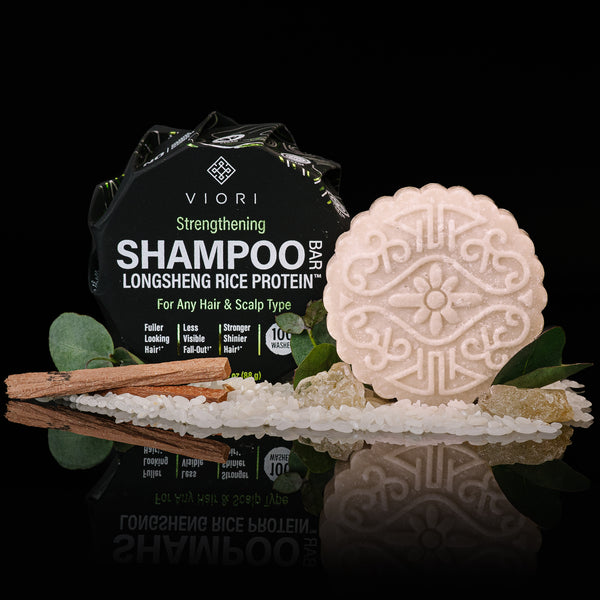
Modern surfactants are often too efficient-they strip everything indiscriminately, requiring additional conditioning agents to replace what was unnecessarily removed in the first place.
It's like power-washing your house, then having to repaint it, versus gently washing it with something that cleans while protecting the existing finish.
The Blonde Hair Myth: What Chamomile Actually Does
Separating Science from Marketing Folklore
We've all heard the claim: "Chamomile lightens blonde hair naturally."
Let's examine what actually happens at the molecular level.
The real chemistry:
- Apigenin and luteolin are yellow flavonoid pigments
- These compounds deposit on the hair shaft surface
- On light-colored hair, they create optical brightening (similar to how optical brighteners work in laundry detergent)
- They don't lighten melanin or structurally change the hair
What creates the "brightening" effect:
- The slightly alkaline pH causing temporary cuticle swelling and light refraction changes
- Removal of mineral deposits and buildup that dull blonde hair
- Deposition of warm yellow pigments that the eye interprets as increased brightness
I've explained it to my blonde clients this way: chamomile doesn't lighten your hair the way hydrogen peroxide does-it removes what's dulling it and adds warm reflective tones that create the perception of brightness.
The philosophical difference:
Many contemporary purple and blue shampoos for blonde hair do the opposite-depositing cool tones to counteract brassiness.
Chamomile-based formulas represented a completely different aesthetic philosophy: enhancing natural warmth rather than fighting it.
Neither approach is inherently "better"-they serve different beauty goals. But it's worth understanding which philosophy aligns with your personal aesthetic.
The Power of Ingredient Orchestration
Why Chamomile Never Worked Alone
What made traditional chamomile shampoos distinctive wasn't chamomile in isolation-it was how chamomile functioned within specific ingredient ecosystems.
Common complementary ingredients and their synergistic roles:
Jojoba Oil:
- Molecular structure similar to human sebum
- Carried lipophilic chamomile compounds deep into the scalp
- Prevented the formula from being overly stripping
- Added protective coating to hair shaft
Nettle Extract:
- Provided minerals, particularly silica for hair strength
- Added gentle scalp stimulation to improve circulation
- Contributed additional saponins for cleansing
- Lowered overall pH to counterbalance chamomile's alkalinity
Horsetail Extract:
- Extremely high silica content for structural hair strength
- Natural source of selenium
- Worked synergistically with chamomile's anti-inflammatory properties
- Added minerals that improved hair texture
Wheat Protein:
- Provided "substantivity"-helped everything stick to hair
- Added temporary strength to the hair shaft
- Created body and texture
- Filled microscopic gaps in damaged cuticle
Why this ingredient architecture matters:
Modern formulations often include chamomile as a standalone "hero ingredient" without these traditional partners.
It's like having a single violin instead of a full orchestra-technically the instrument is there, but you're missing the complexity that created the full effect.
In my professional experience, when clients ask why their modern "chamomile" product doesn't perform like they remember, it's usually this missing ingredient architecture rather than inferior chamomile itself.
The Preservation Problem: Why Vintage Formulas Had Short Shelf Lives
Let's address an uncomfortable truth about traditional chamomile formulations: they were microbiologically vulnerable in ways modern consumers wouldn't tolerate.
The Technical Challenges
Chamomile as bacterial food source:
- The same polysaccharides and proteins that benefited hair also fed bacteria
- Natural extracts created nutrient-rich environments perfect for microbial growth
- Water activity levels in these formulas were often in the danger zone for contamination
Limited preservation options:
Early natural brands avoided parabens and synthetic preservatives, relying instead on:
WHAT CUSTOMERS ARE SAYING
Real reviews for Rice Water Shampoo Bar – All Hair Types | VIORI
- Essential oils (which have limited antimicrobial spectrum)
- Citric acid and vitamin E (antioxidants, not true preservatives)
- Grapefruit seed extract (now known to require synthetic additives to be effective)
The oxidation problem:
Chamomile's most beneficial compounds-especially chamazulene-are highly susceptible to oxidation. Once oxidized, they lose therapeutic properties and can actually become irritating.
This is why vintage chamomile products often turned from golden to greenish-brown over time.
What Modern Formulation Fixed
Contemporary preservation systems using combinations like phenoxyethanol, sodium benzoate, and potassium sorbate create shelf-stable products that maintain efficacy for 2-3 years.
The trade-off? These preservatives can cause sensitivity in some users and represent a philosophical departure from "purely natural" positioning.
But here's my professional perspective after two decades: an unstable "all-natural" formula that goes rancid or becomes contaminated isn't actually serving your hair or scalp health. Effective preservation is a feature, not a flaw.
The Microbiome Connection: What We Know Now That They Didn't Know Then
Here's where modern science reveals something fascinating about traditional chamomile formulations that their creators couldn't have known: they were accidentally microbiome-friendly.
Chamomile's Unintentional Prebiotic Properties
Recent research has revealed that the oligosaccharides and polyphenols in chamomile extract function as prebiotics-they selectively feed beneficial scalp bacteria while the plant's antimicrobial compounds (bisabolol, chamazulene) target pathogenic species.
Why traditional formulas may have been accidentally optimal:
Lower surfactant concentration preserved more of the scalp's protective lipid layer, allowing beneficial bacterial populations to stabilize and reducing the strip-and-rebound oil cycle.
Dynamic pH design created an environment that may have favored beneficial bacteria recovery after cleansing, while static pH formulas don't allow this microbial flexibility.
Botanical compound diversity from full-spectrum chamomile plus complementary herbs created what we now recognize as a diversified prebiotic food source for healthy scalp bacteria.
Professional observation:
I've noticed that clients who transition from conventional products to more traditional natural formulations often experience an adjustment period of 2-4 weeks. I believe this represents the time required for their scalp microbiome to rebalance.
During this transition, the scalp may actually overproduce oil or feel different because the bacterial ecosystem is shifting. This isn't product failure-it's biological adaptation.
Why You Can't Truly Recreate Vintage Formulas
Even if you had the exact ingredient list from a classic chamomile shampoo, several factors make true recreation impossible:
Botanical Source Changes
- Chamomile cultivation has changed dramatically (different cultivars, growing conditions, harvesting methods)
- Soil composition differs due to modern agricultural practices
- Climate shift has altered plant constituent profiles
- Sourcing has shifted between German chamomile (Matricaria recutita) and Roman chamomile (Chamaemelum nobile)
Processing Technology Evolution
- Modern extraction equipment creates different compound profiles
- Temperature and pressure controls have changed
- Filtration methods affect which compounds make it to the final product
- Even "identical" processes using contemporary equipment yield different results
Changed Standards
- Water quality used in manufacturing has different mineral content
- Regulatory landscapes have shifted-some ingredients previously allowed are now restricted
- Concentration limits have changed for certain botanical extracts
- Testing requirements affect formulation choices
The mindset shift:
When clients ask me to recommend


