
Twenty years behind the salon chair teaches you to recognize genuine innovation versus marketing hype. I've witnessed Brazilian blowouts sweep through the industry, watched bond-building treatments become ubiquitous, and seen everything from charcoal detoxes to fermented rice water claim the spotlight. But while researching historical hair care practices last month, I discovered something that genuinely surprised me: rue shampoo.
If you've never heard of it, you're in good company. Despite centuries of documented use across Mediterranean and Middle Eastern cultures, this botanical treatment has been almost completely forgotten in modern hair care. The more I investigated this "herb of grace" (Ruta graveolens), the more a question nagged at me: did we discard something genuinely valuable when we modernized our approach to scalp health?
What I found challenges some common assumptions about natural versus synthetic ingredients, preventive versus reactive hair care, and whether traditional botanical knowledge holds scientific merit. Let me share what I've learned.
The Disappearing Act: Where Did Rue Go?
Imagine a Greek grandmother in the 1920s preparing an infusion of rue leaves for her granddaughter's weekly hair wash. Picture a Persian stillroom where women combined rue with complementary herbs to maintain their famously lustrous hair. Travel to medieval European monastery gardens where monks cultivated rue specifically for scalp treatments.
This wasn't obscure folk medicine practiced in remote villages. Rue was mainstream across entire regions. Ancient Arabic medical texts documented its use for strengthening hair follicles. Mediterranean women passed down specific preparation methods through generations. It appeared in pharmacopeias and herbal guides as an established hair treatment.
Then, within a single generation during the early 20th century, it essentially vanished from hair care.
The rise of commercial cosmetics demanded standardization. Manufacturers wanted ingredients that behaved predictably, maintained consistent potency regardless of growing conditions, and could sit on shelves for months without degrading. Rue, with its variable chemistry and complex profile, didn't fit this new industrial model. Synthetic alternatives offered convenience and predictability that botanical preparations couldn't match.
But here's what troubles me as a professional who's built a career on understanding what actually works: we may have eliminated something genuinely effective because it was inconvenient to manufacture, not because it was ineffective.
NOT SURE WHICH PRODUCT IS RIGHT FOR YOU?
TAKE THE QUIZTakes 30 seconds · 134,000+ customers matched
The Chemistry That Makes Rue Different
Let's examine what actually happens when rue compounds interact with your scalp-because the mechanisms are legitimately fascinating and distinct from typical botanical treatments.
Most plant-based hair care works through relatively straightforward processes: oils coat the hair shaft to reduce friction and moisture loss, proteins temporarily fill gaps in damaged cuticles, or botanical extracts provide antioxidants that protect against environmental stress. These are valuable, but they're surface-level interventions.
Rue operates differently. Its compounds interact with the biological processes happening at the follicle itself and within the scalp ecosystem.
Rutin: The Circulation Enhancer
This flavonoid represents rue's most well-studied compound. Rutin strengthens capillary walls-the tiny blood vessels that deliver nutrients to your follicles. When these capillaries function optimally, nutrient delivery improves. When they're weak or damaged, follicles receive inadequate nourishment regardless of your diet or supplement regimen.
I've watched clients invest in elaborate scalp massage protocols, circulation-boosting serums, and even LED devices-all attempting to enhance blood flow to follicles. The irony is that rutin's capillary-strengthening mechanism might be more direct and effective than many modern alternatives. We just stopped using it before we fully understood how it worked.
Alkaloids: The Selective Antimicrobials
Rue contains specific alkaloids (arborinine and graveoline, primarily) with documented antimicrobial properties. This becomes interesting when you consider modern scalp science.
Your scalp hosts a complex microbial ecosystem-billions of bacteria, fungi, and other microorganisms competing for resources. When this community stays balanced, your scalp remains healthy and inflammation stays minimal. When harmful species dominate, you develop persistent problems: chronic dandruff, inflammation that disrupts normal hair cycling, and follicle miniaturization over time.
Laboratory studies show rue's alkaloids demonstrate activity against Malassezia-the primary fungal species responsible for dandruff-and certain bacteria associated with follicular inflammation. What makes this potentially valuable is the selectivity: these compounds target problematic species without necessarily decimating beneficial microbes that support scalp health.
Think of it as precision weeding versus carpet-bombing your entire scalp ecosystem with broad-spectrum antimicrobials.
Furanocoumarins: The Complicated Compounds
Here's where rue gets tricky. It contains furanocoumarins (bergapten and xanthotoxin specifically) that increase skin's sensitivity to ultraviolet light-a legitimate concern called photosensitivity.
This is real and requires careful formulation consideration. These same compounds caused issues in certain perfumes and required reformulation of some citrus oil products.
However-and this matters-these furanocoumarins also appear to interact with melanin-producing processes in follicles. This creates rue's most intriguing and controversial potential application, which we'll explore next.
The Pigmentation Question: Supporting Natural Hair Color
This is where rue diverges from virtually every other botanical hair treatment available.
Most ingredients focus on cleansing, strengthening, moisturizing, or repairing damage. Rue operates in almost entirely different territory: it may influence the biological process that determines whether your follicles continue producing pigmented hair.
Hair color comes from melanin synthesized by specialized cells called melanocytes located in each follicle. As we age, these cells gradually lose function. They produce less melanin, then eventually stop producing it altogether. That's graying. It's programmed cellular aging, generally considered irreversible once it occurs.
But what if you could support melanocytes while they're still functional? What if you could slow their decline rather than waiting until they've stopped working entirely?
Rue's furanocoumarins interact with cellular receptors involved in melanin production. They can influence tyrosinase activity-the enzyme that controls melanin synthesis rates. This is the same basic mechanism used in certain dermatological treatments for pigmentation disorders, just applied to the scalp rather than facial skin.
Let me be absolutely clear about what I'm not claiming: rue doesn't reverse graying. Once a follicle's melanocytes have stopped functioning, no topical botanical will restart them. That's not scientifically plausible with current knowledge.
But could rue theoretically support continued pigment production in follicles still actively making melanin? Could it slow the transition from pigmented to gray hair? The biochemistry suggests this is at least theoretically possible-though we desperately need clinical research to determine whether theory translates to measurable real-world results.
This represents a fundamental shift in how we might approach graying: from purely reactive (covering gray with dye every six weeks indefinitely) to potentially preventive (supporting the natural processes that maintain color for as long as biologically possible).
As someone who's watched clients spend thousands on color treatments over the years, often starting in their thirties and continuing for decades, this possibility genuinely fascinates me.
The Scalp Microbiome Revolution
Let me share something that's completely transformed my professional approach to scalp problems: understanding the scalp microbiome.
Your scalp hosts trillions of microorganisms. This isn't contamination-it's your normal, healthy state. When this ecosystem remains balanced, inflammation stays controlled, sebum production regulates appropriately, and hair cycles through its growth phases optimally. When the balance tips toward problematic species (a condition called dysbiosis), cascading problems develop.
Modern scalp science is just beginning to appreciate this complexity. We're moving beyond crude "kill all the microbes" approaches that disrupt beneficial and harmful species equally. Instead, we're developing more sophisticated strategies that selectively control problematic organisms while supporting beneficial ones.
This is precisely where rue's antimicrobial profile becomes relevant in ways that weren't understood when it was abandoned decades ago.
Research shows rue's alkaloids demonstrate particular effectiveness against specific fungi and bacteria associated with scalp problems-Malassezia species, certain Staphylococcus strains, and other organisms linked to inflammation and follicle disruption. Meanwhile, they appear less active against many beneficial commensal organisms that support scalp health.
This selective activity is valuable. Broad-spectrum antimicrobials that eliminate everything often create rebound problems-the beneficial species that normally occupy territory and prevent harmful species from dominating get wiped out, creating an opportunity for problems to return even worse than before.
A well-formulated modern rue treatment would need to balance this antimicrobial activity with microbiome support-perhaps incorporating prebiotics or other ingredients that feed beneficial species, creating a more nuanced approach than rue alone could provide.
Why Commercial Products Abandoned Rue (And Whether Those Reasons Still Apply)
I should acknowledge that cosmetic manufacturers had legitimate reasons for moving away from rue:
- Photosensitivity risks: Those furanocoumarins genuinely can cause skin reactions when exposed to UV light. This creates liability concerns and requires careful formulation.
- Pregnancy contraindications: Rue has historical use as a menstrual stimulant, making it inappropriate during pregnancy. While topical scalp application differs significantly from internal consumption, companies understandably avoid ingredients with such associations.
- Consistency challenges: Rue's chemical composition varies based on growing conditions, harvest timing, soil composition, and processing methods. This creates formulation headaches when you need predictable, standardized ingredients.
- Regulatory complexity: Some jurisdictions require special labeling or concentration limits for photosensitizing compounds, adding regulatory burden.
These are real concerns. But here's my professional assessment: modern formulation science can address most of these issues if there's sufficient motivation to do so.
Consider how these challenges have been solved for other ingredients:
- Extraction technologies can reduce furanocoumarin content while preserving beneficial compounds (exactly how bergapten-free bergamot oil was developed)
- Standardization protocols using HPLC and other analytical methods can ensure consistent phytochemical profiles regardless of growing conditions
- Complementary ingredients like UV filters and antioxidants can mitigate photosensitivity risks
- Clear contraindication labeling is already standard practice for many botanical cosmetics, essential oils, and active treatments
The question isn't whether rue can be formulated safely and effectively for modern use. It's whether companies are willing to invest the development resources required when simpler alternatives exist.
What We Can Learn From Successful Traditional Formulations
When I think about how traditional botanical knowledge can successfully inform modern products, Viori immediately comes to mind as a case study in doing this right.
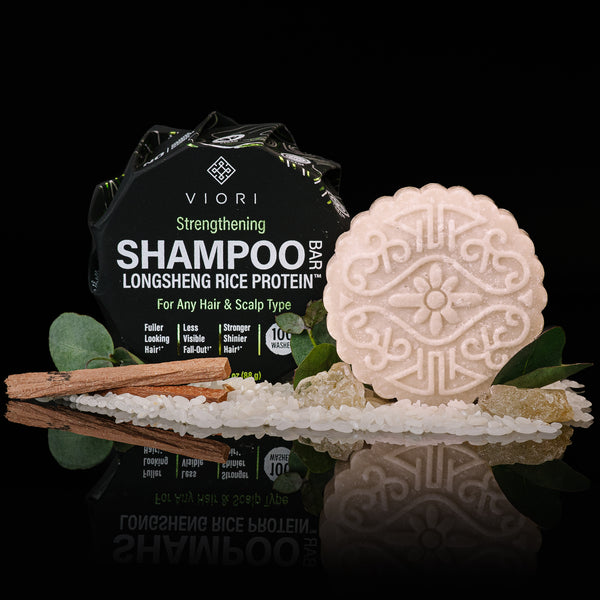
Viori took an ancient beauty ritual-the Longsheng rice water tradition practiced by the Red Yao women-and transformed it into contemporary hair care that delivers genuine results. They didn't simply put rice water in bottles and call it innovation. Instead, they developed:
WHAT CUSTOMERS ARE SAYING
Real reviews for Rice Water Shampoo Bar – All Hair Types | VIORI
- Controlled fermentation processes that enhance beneficial compounds while maintaining appropriate pH levels for scalp health
- Standardized sourcing protocols that ensure consistency batch to batch while supporting the traditional communities where this knowledge originated
- Complementary ingredient combinations that amplify benefits-pairing fermented rice with proteins, vitamins, and botanical extracts that work synergistically
- Transparent consumer education about both realistic benefits and appropriate usage
This is precisely the approach a modern rue-based treatment would require.
Imagine partnering with Mediterranean botanical growers for sustainable, standardized rue cultivation. Developing extraction methods that optimize beneficial alkaloids and rutin while reducing photosensitizing furanocoumarins. Combining rue extract with complementary scalp-supportive ingredients-perhaps the same rice proteins that make Viori's formulations effective for strengthening hair, along with natural antioxidants and additional circulation enhancers.
The result wouldn't be simple "rue shampoo" like the village preparations of a century ago. It would be a thoughtfully designed scalp treatment that honors traditional wisdom while meeting modern safety standards and efficacy expectations.
What a Modern Rue Formulation Should Include
After two decades formulating and testing hair products professionally, here's what I'd want to see in a rue-based treatment:
Gentle Cleansing Foundation
Use mild surfactants that cleanse without stripping natural oils. Rue's benefits target the scalp and follicles, not the hair shaft itself, so aggressive cleansing would undermine the botanical actives you're trying to deliver. The gentle cleansing approach that Viori uses would be ideal-effective enough to remove buildup without disrupting the scalp's protective barrier.
Standardized Rue Extract
Processed to maximize rutin and beneficial alkaloids while minimizing furanocoumarins. Standardized to specific rutin content (perhaps 2-5%) for consistency-similar to how ginkgo extracts are standardized in supplements and how quality botanical vendors standardize active compounds.
Optimal pH Balance
Maintain scalp-friendly pH between 4.5-5.5 to support barrier function and natural protective mechanisms while maximizing bioavailability of rue's active compounds.
Synergistic Supporting Ingredients
- Panthenol (Pro-Vitamin B5): For scalp moisture retention and barrier support, working alongside rutin to support follicle health
- Niacinamide: Strengthens the scalp barrier and provides anti-inflammatory benefits that complement rue's antimicrobial effects
- Green tea extract: Additional antioxidant protection plus its own compounds that may support melanocyte function
- Rosemary extract: Complementary circulation enhancement with documented benefits for scalp health
Microbiome Support
Include prebiotics or postbiotics to feed beneficial scalp microbes, creating balance rather than simple elimination. This would prevent the rebound dysbiosis that often follows antimicrobial treatments.
UV Protection Consideration
Either incorporate botanical UV protection or formulate for evening use with morning rinse-out, along with clear usage guidelines.
The Research Gap We Desperately Need to Fill
Here's what genuinely frustrates me about rue: despite centuries of traditional use and plausible biochemical mechanisms, rigorous clinical trials on topical scalp application are virtually non-existent.
We need controlled human studies investigating:
- Can standardized rue extracts measurably influence hair pigmentation in living follicles? At what concentration and application frequency?
- Does topical rue application demonstrably shift scalp microbiome composition toward beneficial species?
- Can rue's bioactive compounds measurably reduce follicular inflammation markers in conditions like androgenetic alopecia?
- What's the long-term safety profile of properly formulated rue extracts with photosensitivity mitigation?
- How do rue's compounds interact with other hair-supporting ingredients like caffeine, saw palmetto, or pumpkin seed oil?
- What extraction methods and standardization protocols produce optimal results?
Until we have this research, we're working with biochemical theory, traditional knowledge, and limited in-vitro studies. That's valuable but incomplete. It's enough to justify investigation but not enough to make definitive claims about efficacy.
This is precisely where innovative companies could make genuine contributions: funding the clinical research that would either validate traditional claims or clarify where theory doesn't match reality.


