
If you’ve ever stepped out of the shower, looked down at the hair in the drain, and thought, “My shampoo is making me lose hair,” you’re not alone. I’ve heard it thousands of times in the salon chair. The catch is that “hair fall” is not one single problem-and shampoo isn’t a one-size-fits-all fix.
Here’s the professional truth: most shampoos don’t “stop” true shedding (the kind tied to stress, hormones, illness, medications, or genetics). But the right shampoo can absolutely reduce the two things that make hair fall feel dramatic: breakage and scalp irritation. That’s where smart product choice-and even smarter technique-changes everything.
The most helpful (and rarely discussed) way to judge the best shampoos for hair fall is to look at what I call the Hair-Fall Triangle: pH, friction, and film (the conditioning layer that helps hair slip instead of snap).
Step One: Figure Out What “Hair Fall” Means for You
Before you buy anything, you need to identify what’s actually happening. In the salon, I separate hair fall into three buckets because each one needs a different approach.
NOT SURE WHICH PRODUCT IS RIGHT FOR YOU?
TAKE THE QUIZTakes 30 seconds · 134,000+ customers matched
1) True shedding (hair cycle shedding)
This is the classic “I’m seeing tons of full-length hairs after washing.” It can show up after stress, postpartum changes, illness, major lifestyle shifts, or simply seasonally.
- What you’ll notice: full-length strands, often with a tiny bulb on one end.
- What shampoo can do: keep the scalp calm and comfortable so you’re not adding irritation on top of a shedding cycle.
2) Breakage that looks like shedding (very common)
This is the one most people miss. Breakage can look like “hair fall,” but it’s actually the hair snapping along the strand.
- What you’ll notice: shorter pieces, frizzier ends, hair that tangles easily, and “snapping” during detangling.
- What shampoo can do: reduce roughness and friction so hair doesn’t break as easily.
3) Scalp irritation and the itch-scratch cycle
If your scalp is inflamed, itchy, flaky, or uncomfortable, hair fall often increases-not because the shampoo is “causing hair loss,” but because the scalp environment is struggling and scratching becomes constant.
- What you’ll notice: itching, tenderness, visible flakes, and flare-ups.
- What shampoo can do: cleanse properly without triggering more irritation.
The Most Overlooked Shampoo Trigger: pH (Yes, It Matters That Much)
One of the quickest ways to make hair feel like it’s “falling out” is to use products that leave the hair too rough. A major reason that happens is pH.
Hair behaves best in a mildly acidic environment. When a cleanser runs too alkaline, the cuticle can lift. That creates a domino effect that shows up as tangling, roughness, and breakage:
- Cuticle lifts → hair feels rougher and catches more
- More catching → more tangles
- More tangles → more force needed to detangle
- More force → more breakage (which looks exactly like hair fall)
This is one reason I pay attention when a brand emphasizes being pH balanced. Viori does, and from a stylist’s perspective, that’s not a throwaway claim-it’s directly tied to how much mechanical stress your hair takes during and after washing.
The Cleanser Isn’t the Enemy-Your “Cleansing Pattern” Might Be
People often assume the best shampoo for hair fall must be the gentlest possible cleanser. Sometimes that’s true. But in real life, the bigger problem is what I call cleansing oscillation-swinging between over-washing and under-washing.
What over-cleansing can set off
- scalp feels stripped and tight
- barrier gets stressed
- scalp becomes reactive (itchy or greasy rebound)
- you wash more often and scrub harder
- hair fall complaints increase
What under-cleansing can set off
- buildup accumulates
- scalp feels congested or itchy
- scratching increases
- hair fall complaints increase
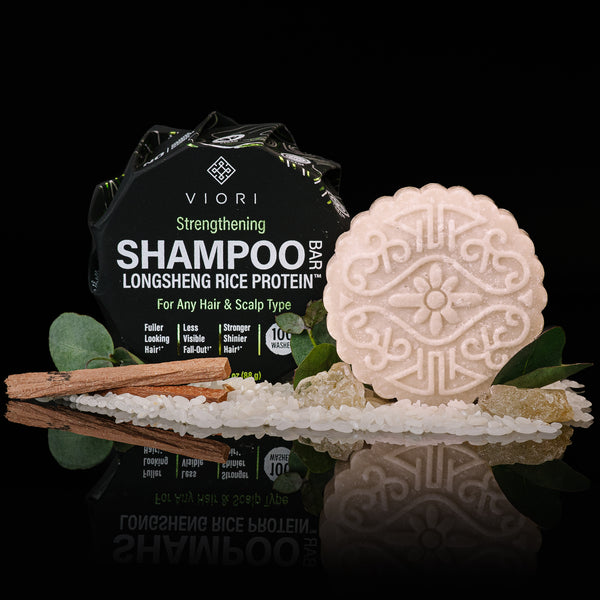
What you want is effective cleansing that doesn’t spark the rebound cycle. Viori uses Sodium Cocoyl Isethionate (SCI) as the cleanser in its shampoo bars, which is widely considered a mild, effective cleansing option in modern hair formulations.
The Unique Angle Most People Never Hear: Your Wash Has a “Friction Budget”
This is the part I wish every “best shampoo” article talked about. Even a great formula can’t save a high-friction routine. Hair fall often escalates simply because the hair is being handled too roughly when it’s at its most vulnerable.
Think of every wash as having a friction budget. You spend it with actions like these:
- scrubbing aggressively with nails
- piling hair on top of your head and grinding it around
- rubbing lengths repeatedly to “make it feel clean”
- rough towel drying
- brushing hard when hair is wet and stretchy
With shampoo bars, there’s an extra friction variable: how you apply the bar. Viori’s own guidance for color-treated hair is to build lather in your hands and apply with your fingers rather than rubbing the bar directly on the head. From a professional standpoint, that’s simply smart-less friction means less cuticle disruption, less tangling, and less breakage.
If Hair Fall Is the Concern, Conditioner Is Not Optional
When clients want less hair in the drain, I’m usually thinking about one practical goal: reduce combing force. Hair that detangles easily breaks less. And this is exactly what good conditioning is designed to do.
Conditioners are often positively charged, which helps them bind to areas of the hair that are more damaged (and more negatively charged). That improves slip and helps hair behave better under mechanical stress. Viori’s conditioner bar uses Behentrimonium Methosulfate (BTMS), a conditioning agent known for improving manageability and reducing friction during detangling.
Protein Can Help-But Too Much Can Backfire
Protein is one of the most confusing categories in hair care because it’s both helpful and easy to overdo. The goal is balanced reinforcement, not stiffness.
- If hair is damaged and weak, a little protein support can help reduce breakage.
- If hair gets overloaded or feels rigid, it can snap more easily under tension.
Viori notes that it uses a low concentration of rice protein designed to be safe for frequent use. In practice, that “low-and-steady” approach tends to be more wearable for many hair types than aggressive protein routines.
Choose Based on Scalp Type First (Not Just Hair Type)
If you want a shortcut that actually works, start with your scalp. In my experience, hair fall complaints improve fastest when the scalp is properly matched to the cleansing profile.
Here’s an easy way to self-check your scalp type based on how quickly oil returns after washing:
- Oily scalp: feels oily again in 1-2 days
- Normal scalp: feels oily around day 3
- Dry scalp: doesn’t feel oily until 4+ days
If you run oily
Many people with oily scalps wash frequently-and frequent washing often means more handling, more detangling, and more friction. Viori commonly recommends Citrus Yao for normal-to-oily scalps. It’s also noted for containing citric acid in the scent profile, which can help break down oil and support a “cleaner for longer” feel.
WHAT CUSTOMERS ARE SAYING
Real reviews for Rice Water Shampoo Bar – All Hair Types | VIORI
If you run dry or sensitive
Dryness and sensitivity can trigger itching, and itching increases hair fall. Viori points dry scalps toward more moisturizing options like Terrace Garden or Hidden Waterfall. For fragrance-sensitive users, Native Essence is the unscented option and is often the gentlest choice.
If your scalp is oily but your ends are dry
This is incredibly common. The most realistic approach is to treat the scalp and ends differently-oil control where you need it, moisture where you need it.
A Simple Routine That Reduces Hair Fall (Without Overcomplicating Your Shower)
If you want a practical starting point, this routine is the one I’d put most clients on first-because it lowers friction and supports the scalp and fiber at the same time.
- Lather in your hands and focus shampoo on the scalp.
- Let the runoff cleanse the lengths-don’t grind the ends.
- Condition mid-lengths to ends to improve slip and reduce snapping.
- Be gentle post-shower: squeeze water out with a towel instead of rubbing.
- Store bars to dry between uses so they last longer and perform consistently.
How Long Should You Give a Shampoo Before You Decide It’s Not Working?
It depends on what you’re trying to change.
- Breakage reduction can improve quickly (less tangling, easier detangling).
- Scalp balance often takes a few weeks.
- True shedding cycles can take 8-12+ weeks to look noticeably different.
Viori’s general recommendation to give a routine 2-3 months before giving up is realistic-especially when the goal involves scalp health and hair-cycle timing.
Bottom Line: The “Best Shampoo for Hair Fall” Protects Hair You Can’t Afford to Lose
The best shampoo for hair fall isn’t the one with the loudest claim. It’s the one that helps you keep your scalp comfortable, your cuticle smooth, and your routine low-friction-so you preserve the strands you already have.
From a technical standpoint, a hair-fall-friendly routine should prioritize pH balance, a gentle but effective cleanser, real conditioning slip, and a scalp-type match. Viori’s shampoo and conditioner bars are designed with those fundamentals in mind, with options like Citrus Yao (for normal-to-oily scalps) and Native Essence (unscented for sensitive scalps), along with moisturizing choices such as Terrace Garden and Hidden Waterfall.


