
Hair dye “soap bars” sound like a dream on paper: cleanse your hair, refresh your tone, skip the bottles, and keep everything simple. But if you’ve ever read reviews on these bars, you’ve probably noticed the pattern-one person gets a glossy, even boost of color, and another ends up with dullness, dryness, or patchy results.
That inconsistency isn’t random, and it’s not always because the pigment is “good” or “bad.” In my experience behind the chair, the results come down to three things working together: chemistry, porosity, and the most overlooked factor of all-friction.
This post breaks down what’s really happening when pigment meets a cleansing bar, how to read (or write) a useful review, and where Viori fits into a color-safe routine (even though Viori isn’t a hair dye bar).
First, what do people mean by “hair dye soap bar”?
Most “hair dye bars” are trying to do three jobs at once: cleanse, deposit color, and condition. That’s a tall order, because each of those goals pulls a formula in a different direction.
When a review says, “It faded fast,” or “It made my hair feel weird,” it helps to ask: did the bar struggle with pigment, or did it cleanse too aggressively? Did it leave too much residue? Or did the way it was applied rough up the cuticle and throw everything off?
NOT SURE WHICH PRODUCT IS RIGHT FOR YOU?
TAKE THE QUIZTakes 30 seconds · 134,000+ customers matched
The big technical split: true “soap” vs pH-balanced cleansing bars
Here’s a detail most online reviews skip, but it’s one of the biggest predictors of how your hair will feel afterwards. Many people use “soap bar” as a catch-all term, but solid cleansers generally fall into two families.
1) True soap bars (saponified oils)
Traditional soap is made by reacting oils with an alkaline ingredient. The important hair takeaway is that these formulas often lean more alkaline, unless heavily adjusted.
Why that matters: hair doesn’t love high alkalinity. When the pH runs too high, the cuticle can lift, the strand can feel rougher, and color-especially fresh or more surface-level color-can release faster.
2) Syndet bars (soap-free cleansing bars)
“Syndet” bars use surfactants rather than saponified oils. The advantage is that they can be engineered to be pH balanced, which is generally more compatible with the hair fiber.
Viori’s shampoo bars use Sodium Cocoyl Isethionate (SCI) as the cleanser and are formulated to be pH balanced. In plain language: they’re designed to cleanse effectively without pushing hair into that rough, raised-cuticle territory that can make colored hair look tired faster.
The factor most reviews miss: friction can change your color
If I could correct one habit that causes the most “this bar ruined my hair” complaints, it would be this: rubbing a bar directly onto the hair and scalp like you’re scrubbing a stain out of a shirt.
That bar-to-hair contact creates localized friction. And friction isn’t just a feel issue-it’s a cuticle issue.
- More friction can mean more cuticle disturbance.
- More cuticle disturbance can mean more tangling while wet.
- More tangling can mean more breakage during detangling.
- And for pigment-depositing bars, that roughing-up can also mean less predictable color from root to end.
A technique tweak that actually matters
For color-treated hair, one of the smartest moves is also one of the simplest: build lather in your hands first, then apply with your fingertips the way you would with liquid shampoo.
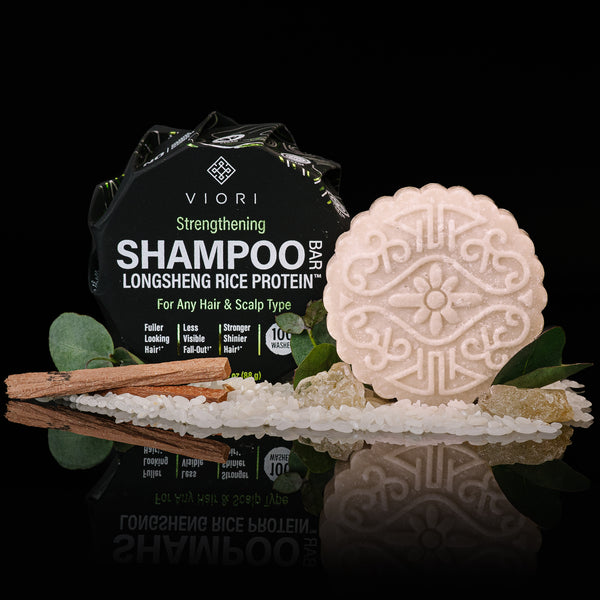
Viori specifically recommends this approach for color-treated hair as well-creating lather in your palm and working it through with your hands rather than rubbing the bar directly on your head-to help preserve color by reducing friction.
Deposit color isn’t the same as dyeing hair
Another reason “hair dye soap bar” reviews are all over the place is that many of these bars don’t behave like permanent dye. Most of them work more like a deposit: pigment clings to the outside of the hair and grabs hardest where the hair is most porous.
That means the bar’s performance is heavily influenced by your hair’s porosity and your hair’s history (bleach, heat, sun, previous color, and general wear-and-tear).
Quick porosity check (at-home)
Viori shares a simple porosity test that can be helpful for setting expectations:
- Brush your hair.
- Take a clean strand and place it in a glass of water.
- If it floats, it’s typically considered low porosity.
- If it stays in the middle, it’s often considered medium porosity.
- If it sinks, it’s commonly considered high porosity.
Is it a perfect scientific measurement? No. But it’s a useful reality check. High-porosity hair tends to soak up pigment fast and lose it fast. Low-porosity hair may resist pigment and encourage over-application, which can create buildup or unevenness.
The pH paradox: “better color” can come with worse hair feel
Here’s a nuance I wish more reviews included: a bar that deposits pigment aggressively may leave hair feeling coated, stiff, or draggy, especially on fine hair. Meanwhile, a bar that leaves hair feeling airy and squeaky-clean may not deposit evenly, or it may encourage more friction during washing-which can lead to fading and frizz.
When you review a dye-depositing bar, don’t only describe the tone. Describe what happened to the hair fiber: slip, softness, shine, frizz, and detangling.
Hard water: the wildcard that makes reviews misleading
If you have hard water, you can do everything “right” and still feel like your results are off. Minerals can increase roughness, which increases friction during cleansing, and buildup can make hair look dull-often mistaken for fading.
If a bar review says, “It looked good in the shower and then dried flat,” my mind goes straight to water quality and porosity before I blame the pigment.
How to write a useful hair dye soap bar review (a pro rubric)
If you want your review to help other people (and help you troubleshoot your own results), break it into sections. Here’s what I look for.
- Cleansing: Does the scalp feel clean without tightness? Does the hair feel squeaky or stripped?
- Deposit behavior: Was the tone even from root to end? Did the ends grab too dark? Did it fade in an odd way?
- Hair integrity: Any increase in frizz, tangling, or breakage? Did shine improve or drop?
- Bar practicality: Did it get mushy? Crumble early? Feel hard to control?
One practical note that matters more than people think: consistent storage. Viori recommends keeping bars out of direct water and letting them dry between uses (their bamboo holders are designed for that). When a bar stays wet and soft, you often apply more product than you realize, which can throw off both cleansing strength and deposit behavior.
A rare-but-eye-opening test: “friction mapping” for two weeks
If you want a truly insightful review angle-one that explains why people can have opposite experiences with the same bar-try this simple experiment.
WHAT CUSTOMERS ARE SAYING
Real reviews for Rice Water Shampoo Bar – All Hair Types | VIORI
- For two weeks, cleanse one side of your head by rubbing the bar directly on the hair (the common method).
- On the other side, lather in your hands first and apply with fingertips only.
- Keep everything else the same: wash frequency, water temperature, styling routine.
Then compare:
- Which side held color longer?
- Which side had more frizz or dullness?
- Which side tangled more when wet?
- Which side looked shinier in direct light?
It’s not unusual to discover that the “bad bar” wasn’t the full story. The application friction was doing more damage than the formula itself.
Where Viori makes sense for colored hair
Viori isn’t a hair dye bar, but it can absolutely be part of a color-conscious routine because color longevity loves a few boring (but powerful) basics: pH balance, gentle cleansing, reduced friction, and consistent conditioning.
Viori’s guidance is especially relevant if you color your hair: build lather in your hands and apply with your fingers rather than rubbing the bar directly on your head. That one habit supports softer cuticles and, for many people, better color retention over time.
Choosing a Viori bar by scalp type
Because scalp type drives cleansing needs, it’s a smart starting point:
- Citrus Yao: commonly recommended for normal-to-oily scalps (and it’s known for a bright, mixed citrus scent profile).
- Terrace Garden: often favored for normal-to-dry scalps (fresh, green, floral-noticeable but not overpowering).
- Hidden Waterfall: a popular option for a range of hair types (sweet, vanilla-musk style scent profile).
- Native Essence: unscented and typically the go-to for sensitive scalps or fragrance sensitivities (very subtle, earthy “grain” note if you smell it up close).
If you’re in that very common category of oily roots and dry ends, you can also treat your hair like two zones: cleanse the scalp appropriately, and keep conditioner focused through mid-lengths and ends for protection and softness.
Bottom line: a great review talks about the cuticle, not just the color
The most helpful hair dye soap bar reviews aren’t just “5 stars” or “never again.” They explain how the bar was used, what the hair’s porosity and color history look like, and whether the results held up without increasing frizz, tangling, or breakage.
If you start evaluating these bars through the lens of pH, porosity, and friction, you’ll get better results-and you’ll be able to pinpoint what needs to change to make your color look fresher for longer.


