
If you’ve been hunting for a “Japanese shampoo for oily hair,” you’re probably not just looking for a product-you’re looking for a very specific result: roots that stay fresh, hair that doesn’t collapse into flatness by noon, and a scalp that feels clean without feeling raw.
Here’s the thing I’ve learned after two decades behind the chair: what people tend to love about that “Japanese shampoo” vibe isn’t a passport stamp. It’s a performance style-built on sebum science, pH balance, and something almost nobody talks about: how cleanly a shampoo rinses away.
So let’s get technical-but keep it practical. Because oily hair doesn’t need harsher washing. It needs smarter washing.
Oily hair isn’t one problem-it’s three problems wearing the same outfit
When someone tells me “my hair is oily,” I immediately start sorting it into three buckets. You can have one, two, or all three happening at once-and the fix depends on which one you’re actually dealing with.
NOT SURE WHICH PRODUCT IS RIGHT FOR YOU?
TAKE THE QUIZTakes 30 seconds · 134,000+ customers matched
1) Sebum output (your scalp’s oil production)
This is the biological piece: how much oil your scalp produces and how quickly. It’s influenced by hormones, genetics, stress, and inflammation. You can’t “train” sebaceous glands to permanently stop producing oil-but you can reduce the things that make the scalp irritated and reactive.
2) Sebum spread (how fast oil travels)
Sometimes oil production is totally normal-yet hair still looks greasy fast because oil spreads down the strand quickly. That’s especially common with fine hair and straighter textures, where sebum can glide from root to mid-lengths without much resistance.
3) Re-deposition (the sneaky one)
This is the under-discussed culprit: some shampoos remove oil, but leave behind a film that grabs onto the next wave of sebum like Velcro. The result is hair that looks oily again quickly, even when you washed “correctly.”
Key takeaway: oily hair isn’t always “too much oil.” Sometimes it’s oil plus residue-meaning the scalp looks greasy sooner because the surface isn’t truly clean.
The oily-hair paradox: stronger cleansing can backfire
A lot of people assume oily hair needs the most aggressive cleanse possible. In the salon, I often see the opposite: harsh cleansing leads to a tight, uncomfortable scalp, more brushing and touching, and then heavier conditioning to compensate. That combination can make hair look greasier faster-without necessarily changing how much oil your scalp produces.
The goal isn’t maximum degreasing. The goal is high oil removal + low residue + scalp comfort.
The detail most people miss: “rinse-off architecture”
This is a phrase I wish more consumers knew. Two shampoos can clean well, but behave wildly differently after you rinse.
Rinse-off architecture is how a formula releases from the scalp and hair when water hits it. A shampoo that doesn’t rinse cleanly can leave the root slightly coated-so the hair feels heavy, looks flatter, and attracts oil faster the next day. On the flip side, a shampoo that rinses too “bare” can make the lengths rough, which pushes people to over-condition-often too close to the scalp-creating another path to greasy roots.
Why “gentle” cleansers can still be excellent for oily scalps
Oily hair doesn’t automatically require harsh detergents. In fact, mild cleansers can be ideal as long as they’re effective at emulsifying sebum and they rinse clean.
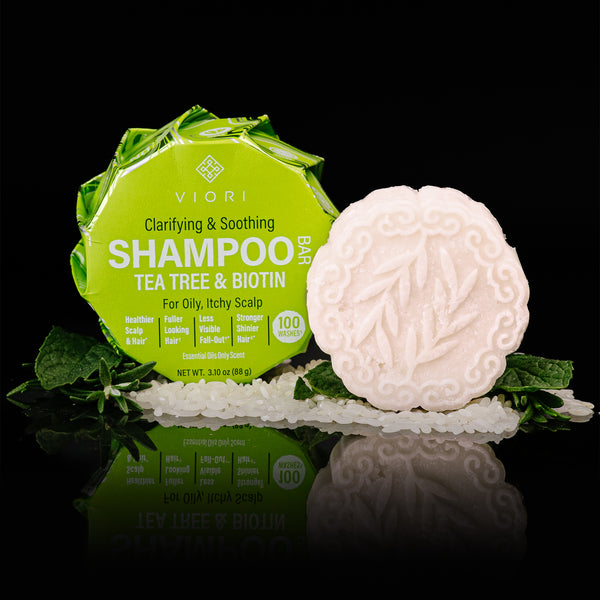
Viori’s shampoo bars use Sodium Cocoyl Isethionate (SCI) as the cleanser. In professional terms, SCI is known for producing a dense, creamy foam and being relatively mild-yet still capable of thorough cleansing when used correctly.
One nuance that doesn’t get enough airtime: foam texture matters. A creamy, dense lather can do a great job lifting oils and suspending grime so it rinses away instead of redepositing.
pH: the invisible lever that helps oily hair stay fresher
pH doesn’t sound glamorous, but it affects how hair behaves long-term. When products run too alkaline, the cuticle can stay more raised over time, increasing friction, roughness, and tangling. Then people use more conditioner or heavier styling products-especially near the crown-because the hair doesn’t feel manageable. That extra “help” is often what makes oily hair look oily sooner.
Viori notes their bars are pH balanced, which supports a healthier scalp feel and helps hair stay smoother without needing heavy product at the root.
Why citrus can matter for oily hair (and it’s not just about scent)
In Viori’s FAQ, they share that Citrus Yao contains citric acid and that it breaks down oil particularly well. That matters because gentle acidification can support a cleaner rinse feel and help hair feel lighter at the root.
It’s not “magic citrus.” It’s smart chemistry paired with the right routine.
The most common “oily hair” mistake I see: conditioner placement
Conditioner is not the enemy-misplaced conditioner is. Many conditioners rely on positively charged conditioning agents that bind to hair. That’s fantastic for softness and slip on the mid-lengths and ends. But on an oily scalp, applying conditioner too close to the roots can create instant heaviness and make hair look greasy even when the scalp is actually clean.
Rule of thumb: keep conditioner focused from mid-length to ends unless you have a specific scalp need and you’re using a very light hand.
WHAT CUSTOMERS ARE SAYING
Real reviews for Tea Tree Shampoo Bar – Oily & Itchy Scalp | VIORI
A wash routine that gives that “fresh, airy, lasts longer” finish
If what you’re chasing is that crisp, clean, lightweight feel that people often associate with “Japanese shampoo for oily hair,” try this structure. It’s simple-but the details matter.
- Pre-rinse for 60-90 seconds. Warm water helps loosen sebum so your cleanser doesn’t have to work as hard.
- Shampoo the scalp twice. The first wash lifts the bulk oil; the second gets the scalp genuinely clean. Keep your focus on the scalp-let the lather rinse through the ends.
- If you use a bar, lather in your hands first. Viori also recommends this approach. It reduces friction and helps you distribute product evenly instead of over-scrubbing one spot.
- Condition only the “older hair.” Apply from mid-length to ends, let it sit a couple minutes, then rinse very thoroughly.
- Finish with a cooler rinse. It helps the hair feel smoother and reduces the urge to over-condition next time.
How to choose a Viori routine for oily hair
Once you accept that oily hair is about balancing cleansing, residue, and comfort, choosing a routine becomes much easier.
- Oily scalp: Viori recommends Citrus Yao Shampoo + Conditioner.
- Oily scalp + dry ends: Use Citrus Yao Shampoo on the scalp, then choose a more moisturizing conditioner on the ends such as Hidden Waterfall, Terrace Garden, or Native Essence.
- Sensitive scalp (especially if fragrance is a trigger): Native Essence is Viori’s unscented option.
If scent is part of the experience you’re after, Viori describes their profiles this way:
- Citrus Yao: a bright burst of mixed citrus
- Terrace Garden: fresh, green, floral-noticeable but not overwhelming
- Hidden Waterfall: sweet vanilla musk
- Native Essence: unscented (with a very subtle earthy/grain note up close)
When should you expect results?
Some people feel a difference immediately-lighter roots, cleaner scalp, better volume. Others need time, especially if they’re also correcting buildup patterns and conditioner habits. Viori recommends giving a routine 2-3 months before giving up, which matches what I typically see in real life when someone is transitioning to a more balanced system.
The bottom line
“Japanese shampoo for oily hair” is really a search for a clean-rinsing, scalp-friendly, lightweight routine. When you prioritize rinse-off behavior, pH balance, and strategic conditioning, oily hair becomes dramatically easier to manage-without escalating to harsher and harsher cleansing.
If you want a personalized roadmap, tell me (1) how soon your roots look oily after washing, (2) whether your hair is fine/medium/coarse, and (3) whether your ends feel dry or coated-and I’ll suggest a Viori wash pattern that fits your exact scalp and hair behavior.


