
Switching to a hair cleansing bar can feel oddly intimidating. One minute you’re excited about simplifying your routine, and the next you’re standing in the shower thinking, “Am I supposed to scrub this thing straight onto my hair like I’m washing a sweater?”
After 20 years behind the chair, I can tell you this: most “bar soap ruined my hair” stories aren’t actually about the bar. They’re about technique. A bar is a solid tool, which means it can create concentrated cleansing in one spot, extra friction, and uneven distribution if you use it like bottled shampoo.
This post will show you how to wash your hair with a bar in a way that keeps your scalp genuinely clean while keeping your lengths smooth, shiny, and detangled. I’ll also explain the chemistry that matters (without making it feel like homework), and I’ll point out where Viori’s approach helps-especially with pH balance and gentle cleansing.
NOT SURE WHICH PRODUCT IS RIGHT FOR YOU?
TAKE THE QUIZTakes 30 seconds · 134,000+ customers matched
First, let’s clear up the phrase “bar soap”
Not every bar belongs in the same category, and that’s where a lot of online advice goes sideways. Some bars are true “soap” in the traditional sense, while others are formulated specifically for hair.
There are two main types of cleansing bars
- Traditional soap bars (made through saponification): these tend to be more alkaline and can be tricky in hard water because minerals may interact with the soap and leave deposits that feel waxy or dull on hair.
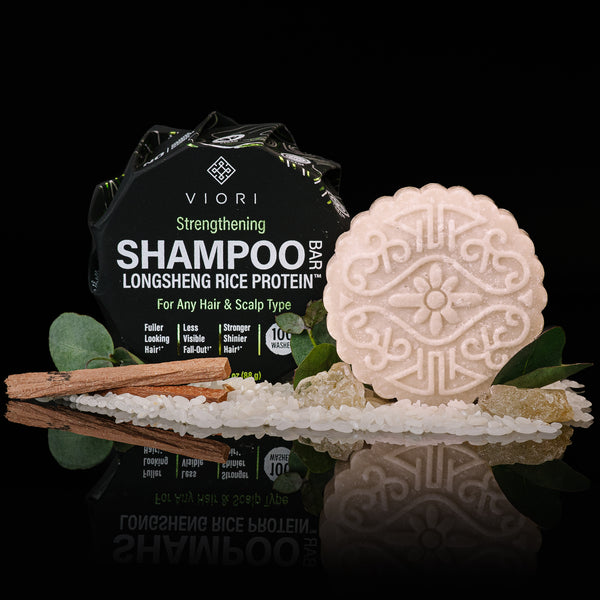
- Shampoo bars (surfactant-based, often pH balanced): these are designed for hair and scalp needs. Viori’s shampoo bars, for example, use a gentle cleanser called Sodium Cocoyl Isethionate (often called “baby foam” in the industry because it cleans effectively without feeling harsh).
If you’re using a modern shampoo bar like Viori, your success usually isn’t about “making soap behave.” It’s about learning how to cleanse with a bar while minimizing friction and keeping the cleansing where it belongs: on the scalp.
The most overlooked secret: bars change the physics of washing
Here’s the nuance most people miss: your scalp and your hair lengths have very different jobs and very different needs. Your scalp produces oil and sheds skin; your mid-lengths and ends are older, drier, and more fragile. With a bottle, it’s easy to distribute product and keep things fairly even. With a bar, you can accidentally over-cleanse the lengths simply because the bar is in your hand and it’s tempting to rub it everywhere.
The result? Too much friction on the hair shaft can disturb the cuticle (the outer “shingle” layer of the hair), which often shows up as tangles, roughness, frizz, and dullness. The fix is straightforward: clean the scalp thoroughly and let the rinse water do most of the work on the lengths.
How to wash your hair with a bar: the stylist method
If you only change one thing, make it this: don’t treat the bar like a scrub brush for your hair. Treat it like a way to create cleanser for your scalp.
Step 1: Saturate your hair completely
Don’t rush this part. Thorough saturation reduces friction and helps cleanser spread more evenly. Low-porosity hair, dense hair, or oily roots often need extra time under the water before the hair is truly wet through.
Step 2: Build lather in your hands (not directly on your head)
This is the move that saves hair from that “why does it feel stripped and tangly?” moment. Rubbing a bar directly on the hair can create a high-concentration stripe of cleanser and extra friction right where the bar drags across the cuticle.
- Wet your hands.
- Rub the bar between your palms for a few seconds to create a rich lather.
- Apply that lather to your scalp using your fingertips.
This approach is also a smart choice for color-treated hair because it helps reduce direct friction on the hair fiber. Viori specifically recommends working up lather in your palm and applying with your hands rather than rubbing the bar directly on your head.
Step 3: Cleanse in sections so you don’t miss the “greasy zones”
Most people unconsciously wash only the top of the head and call it a day. The areas that often get missed-then feel oily again quickly-are the perimeter zones.
- Hairline
- Temples
- Crown
- Behind the ears
- Nape of the neck
Work the lather into each area with your fingertips. Think of it like skincare: you’re cleansing the scalp skin, not scrubbing the hair itself.
Step 4: Use scalp massage mechanics that don’t create knots
Big aggressive circles with long hair can quickly turn into a matted situation at the roots. Instead, use small micro-circles with the pads of your fingers, and keep your lengths hanging down your back rather than piling hair on top of your head.
Step 5: Rinse longer than you think you need to
A surprising number of “residue” complaints are really rinse issues. Dense hair, thick hair, and longer hair especially need a thorough rinse at the crown, behind the ears, and at the nape. Give rinse water time to fully flush the cleanser out.
Step 6: Decide if you need a second cleanse
A second wash is not “extra.” It’s often the difference between a clean scalp and leftover film.
- The first cleanse loosens oil, sweat salts, and product film.
- The second cleanse actually cleans the scalp thoroughly and usually lathers more easily.
If you use styling products, go longer between washes, or have an oilier scalp, a second cleanse can be a game-changer.
Conditioner bars: why they don’t foam (and why that’s normal)
Conditioner bars aren’t supposed to lather like shampoo. Shampoo uses cleansing agents designed to lift oil and debris; conditioner works differently. On a technical level, conditioner ingredients are often positively charged, which helps them cling to the hair fiber (especially where hair is most stressed or damaged), improving slip and softness.
WHAT CUSTOMERS ARE SAYING
Real reviews for Rice Water Shampoo Bar – All Hair Types | VIORI
Viori’s conditioner includes Behentrimonium Methosulfate (BTMS), a vegetable-derived conditioning ingredient widely used to boost detangling and smoothness. The name can confuse people, but it’s not the same thing as harsh cleansing sulfates like SLS or SLES.
How to apply conditioner with a bar
- Focus on mid-lengths to ends first (unless your scalp is very dry and you like a little conditioner there too).
- Expect a creamy, slip-like feel rather than suds.
- Let it sit for 2-5 minutes before rinsing.
- Detangle gently while the hair is saturated and conditioned (fingers or a wide-tooth comb).
The under-talked-about factor: water hardness
If your water is hard, bar washing can feel different-sometimes less “slippery,” sometimes more prone to tangling if you scrub the lengths. Minerals in hard water can interfere with how smoothly the cuticle lies down, and that can make hair feel rough during rinsing.
Before you assume the bar isn’t for you, adjust the mechanics:
- Saturate longer
- Lather in hands
- Rinse more thoroughly
- Condition the ends more intentionally
- Try a cooler final rinse to help the cuticle lie flatter
Quick troubleshooting (what to tweak first)
If your hair feels waxy or heavy
- Rinse longer, especially at the crown, nape, and behind the ears
- Keep cleanser on the scalp and stop rubbing the bar down the lengths
- Use conditioner thoroughly on the ends
If your roots feel clean but your ends feel dry
- Reduce cleansing on lengths (let rinse water carry cleanser through)
- Condition mid-length to ends and give it time to sit
If your scalp gets oily again fast
- Cleanse in sections so you don’t miss the perimeter zones
- Consider a second cleanse
- If you’re oil-prone, Viori’s Citrus Yao is commonly recommended because citrus components help break down oil effectively
If you’re frizzy after switching to a bar
- Prioritize moisture and thorough conditioning
- Consider more moisturizing options like Viori’s Terrace Garden or the fragrance-free Native Essence
- Try cooler water for your final rinse
Don’t forget bar care: storage affects results
If a bar stays wet, it softens and turns gummy. That leads to overuse, inconsistent application, and a bar that disappears faster than it should. Store your bar out of the direct spray and let it dry between washes. A holder that allows airflow makes a noticeable difference.
What to expect over time
Some people feel a difference after one wash. Others need a little time-especially if they’re correcting technique, dealing with hard water, or adjusting how often they wash. Viori recommends giving it 2-3 months before deciding, and from a professional standpoint, that’s a fair window to evaluate both scalp comfort and hair feel.
The simple takeaway
If you want bar washing to feel amazing, keep it simple: lather in your hands, cleanse the scalp, protect the lengths, and rinse thoroughly. Do that consistently and you’ll avoid the waxiness, cut down on tangles, and get the clean-hair feel people hope for when they make the switch.


