
After twenty years of working in professional salons, I've witnessed countless hair care trends come and go. But what's happening right now with solid shampoo bars? This isn't just another trend-it's a complete transformation of how we think about hair care.
I'll be honest: when solid bars first appeared in my station years ago, I was skeptical. They reminded me of the harsh soap bars my grandmother used-the kind that left hair feeling stripped, tangled, and impossible to manage. But what we're seeing today is entirely different. Modern premium solid bars represent a sophisticated fusion of cosmetic chemistry and dermatological science that deserves serious attention from anyone who cares about their hair's health.
Let me pull back the curtain and share what makes today's solid shampoo bars actually work-and why these technical details matter more than you might think.
The Problem Most Brands Won't Tell You About
Here's the fundamental challenge that kept me skeptical for years: creating an effective solid shampoo bar requires solving what I call a chemical paradox.
Why Traditional Bars Damaged Your Hair
The ingredients that provide superior cleansing and conditioning typically exist in liquid or semi-solid states. Converting these into a stable, hard bar that doesn't dissolve into mush after one shower? That requires sophisticated engineering.
Traditional soap bars solve this through saponification-a chemical reaction between fats and lye that creates a solid structure. But here's the critical problem: this process yields a pH of 9-11, which is far too alkaline for healthy hair.
NOT SURE WHICH PRODUCT IS RIGHT FOR YOU?
TAKE THE QUIZTakes 30 seconds · 134,000+ customers matched
Your hair cuticle thrives at a pH between 3.5 and 6.5. When you expose hair to high pH levels, the cuticle swells and lifts, causing a cascade of damage:
- Increased porosity that leads to chronic moisture loss
- Accelerated color fading in treated hair
- Tangling and mechanical damage during combing
- That "squeaky clean" feel-which actually signals cuticle disruption, not cleanliness
This is exactly why old-school soap bars left hair feeling like straw. The chemistry was working against your hair's natural structure.
The Modern Engineering Solution
Professional-grade solid shampoo bars use what's called synthetic detergent (syndet) technology. This allows for pH-balanced formulations that actually work with your hair instead of against it.
The key innovation? Using vegetable-derived fatty alcohols-like cetyl alcohol and stearic acid-as structural binders rather than relying on that harsh saponification process.
Before you worry about the word "alcohol"-these fatty alcohols are nothing like the drying isopropyl or ethyl alcohol you're thinking of. They're actually emollients derived from plant sources that provide multiple benefits:
- Structural integrity - creating the physical matrix that holds the bar together
- Slip and glide - reducing friction during application
- Moisture retention - forming a protective barrier on hair strands
- Temperature stability - maintaining bar integrity whether you're in Miami or Minnesota
Why Surfactant Selection Makes or Breaks the Bar
After years of testing products on every hair type imaginable, I've come to appreciate that surfactant choice is arguably the most critical formulation decision in solid bars.
Sodium Cocoyl Isethionate: The Gold Standard
In cosmetic chemistry circles, Sodium Cocoyl Isethionate (SCI) is sometimes called "baby foam"-and that nickname tells you everything you need to know. This coconut-derived surfactant has become the premier choice for high-quality solid shampoo bars, and the technical reasons actually matter for your hair:
The molecular structure features a coconut-derived fatty acid chain attached to an isethionate group, which provides:
- Gentle cleansing - the longer fatty acid chain means milder interaction with your hair's natural lipid barrier
- Hard water tolerance - unlike many surfactants, SCI performs consistently regardless of your water's mineral content
- Rich, creamy foam - it creates small, dense bubbles rather than big, airy ones that provide minimal actual cleansing
- Efficiency - it requires less product to achieve effective cleansing
But here's what really matters from a professional standpoint: SCI naturally functions effectively at pH 5-7, perfectly aligned with hair's optimal range. This contrasts completely with traditional soap-based surfactants that require alkaline conditions to stay stable.
The Conditioning Challenge: Even More Complex Than Shampoo
If you think formulating a solid shampoo bar is complex, creating an effective solid conditioner is exponentially more challenging.
Conditioners must deposit positively-charged ingredients onto hair, which becomes negatively-charged after cleansing. Doing this in solid form while maintaining the right texture is like walking a formulation tightrope.
The Most Misunderstood Ingredient in Hair Care
Let me clear up one of the biggest misconceptions circulating right now.
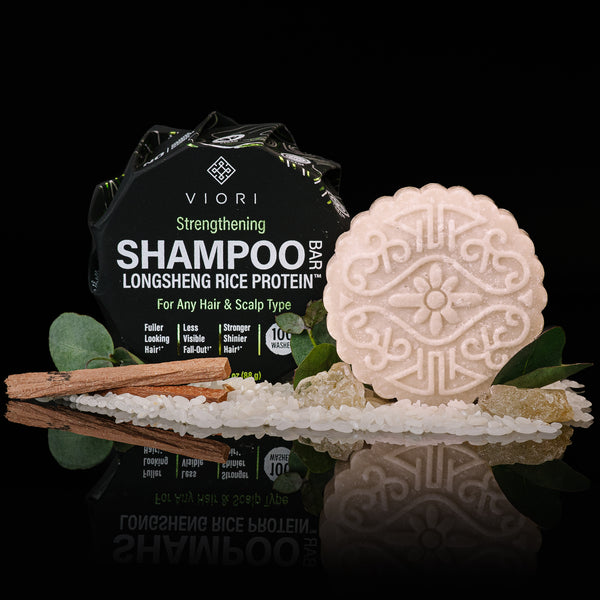
When you see Behentrimonium Methosulfate (BTMS) on an ingredient list, the word "sulfate" might trigger alarm bells. But BTMS is a completely different class of ingredient from the harsh sulfates everyone's learned to avoid.
Here's the chemistry distinction that matters: BTMS is a quaternary ammonium compound that contains a sulfate ester, not a sulfate detergent. The critical differences:
- Positive charge - BTMS is naturally attracted to damaged, negatively-charged areas of hair
- Conditioning mechanism - rather than stripping away oils, it deposits protective ingredients
- Mildness profile - derived from rapeseed oil, it's gentle enough for daily use
- Antistatic properties - dramatically reduces flyaways and improves manageability
The "methosulfate" component actually moderates and neutralizes the compound, preventing the buildup issues you'd get from other conditioning ingredients.
Engineering the Perfect Texture
Solid conditioner bars require a completely different structural approach than shampoo bars. The formulation must achieve a delicate balance:
- Remain firm enough to handle without crumbling
- Soften sufficiently under warm water to allow smooth application
- Deposit conditioning agents without leaving waxy buildup
- Rinse cleanly despite containing rich butters and oils
This is achieved through precise ratios of structural agents, emollients, active ingredients, and functional additives. When I examine a conditioner bar's formulation, I can immediately tell whether a brand understands this balance or just threw ingredients together hoping for the best.
The Rice Water Revolution: Ancient Wisdom Meets Modern Science
One of the most fascinating developments I've witnessed in my career is the incorporation of fermented rice water into solid bar formulations-particularly rice from the Longsheng region of China.
What Makes Longsheng Rice Different
The Yao women of Longsheng village are famous for their extraordinarily long, healthy hair, which they've traditionally maintained using fermented rice water. But what makes their approach special isn't just tradition-it's terroir.
The short-grain, high-starch rice cultivated in Longsheng's mountainous terraces has adapted over nearly a millennium to unique environmental conditions:
- High altitude growing conditions (1,500-2,000 feet elevation)
- Mineral-rich mountain spring irrigation
- Cooler temperatures that extend the growing season
- Volcanic soil composition high in silicon and trace minerals
These environmental stressors cause the rice to produce elevated levels of beneficial compounds:
- Phytic acid - chelates minerals and protects against oxidative damage
- Gamma-oryzanol - an antioxidant complex unique to rice bran
- Inositol - a B-vitamin that strengthens hair structure from within
Why Fermentation Changes Everything
The fermentation process fundamentally transforms rice water's chemical composition. During controlled fermentation, something remarkable happens:
- Enzymatic breakdown converts complex starches into simpler sugars and amino acids your hair can actually absorb
- Vitamin synthesis increases B-vitamin content dramatically-inositol can increase up to 300%
- pH modulation produces organic acids that naturally lower pH to the optimal 4-5 range
- Preservation enhancement creates organic acids and peptides with antimicrobial properties
Here's something most people don't know: pure rice water applied directly to hair can actually cause problems if used too frequently. Its high protein content can lead to protein overload, causing stiffness, brittleness, and paradoxical breakage.
Professional formulations-like those Viori creates-incorporate rice water at carefully calibrated concentrations (typically 5-15% of total formulation) combined with balancing humectants and emollients to prevent these issues. This is the difference between traditional knowledge and modern formulation science.
The Geometry of Performance: Why Shape and Size Actually Matter
The physical dimensions and shape of solid bars involve more technical consideration than you'd imagine. I've tested bars of every shape and size over the years, and there's real science behind the standards.
Optimal Dimensions
A standard bar measuring approximately 2.5" × 2.5" × 1.25" (90-100g for shampoo, 70-80g for conditioner) represents an optimal balance of several factors:
- Ergonomics - fits comfortably in average hand sizes
- Surface exposure - sufficient area to generate lather without requiring excessive pressure
- Longevity - adequate mass to provide 60+ applications for average hair length
- Drying efficiency - thickness that allows complete drying between uses to prevent bacterial growth
Why Conditioner Bars Are Smaller
You'll notice conditioner bars are typically formulated slightly smaller and lighter than shampoo bars. This isn't about cost-cutting-it's functional design based on how the products perform:
- Application difference - conditioners require less product per use since you're focusing on mid-lengths and ends, not full scalp coverage
- Softness factor - higher butter content makes conditioner bars inherently softer, so reduced size prevents excessive product deposition
- Rinsing behavior - lighter formulations rinse more cleanly, preventing that heavy, coated feeling
The Purpose Behind Surface Patterns
Those decorative patterns pressed into bar surfaces? They're not just aesthetic. Traditional designs-like the mooncake patterns often featured on premium bars-serve multiple functional purposes:
WHAT CUSTOMERS ARE SAYING
Real reviews for Rice Water Shampoo Bar – All Hair Types | VIORI
- Increased surface area for improved lather generation
- Grip enhancement to reduce slippage when wet
- Drainage channels that allow water to flow away from the bar between uses
- Cultural authenticity that connects the product to its ethnobotanical origins
Some formulations intentionally create irregular, mountain-like surfaces on conditioner bars to distinguish them visually from shampoo bars in your shower and create a unique tactile experience during application.
The Storage Science Nobody Talks About
One of the most common complaints I hear about solid bars: "It turned mushy and didn't last." Almost always, this is a storage issue, not a formulation problem.
The Moisture Management Challenge
Solid bars face a unique challenge liquid products don't encounter: the constant cycle of wetting and drying in a humid bathroom environment.
When bars remain constantly damp, several problems can develop:
- Bacterial biofilms - particularly species that thrive in moist environments
- Fungal growth - molds and yeasts that appear as discoloration
- Enzymatic degradation - microbes produce enzymes that break down the bar's structure
The Bamboo Holder Solution
Elevated storage solutions like bamboo holders address these issues through intelligent design:
- Air circulation - slotted designs allow airflow around all bar surfaces
- Drainage - gravity pulls water away rather than allowing it to pool beneath the bar
- Natural antimicrobial properties - bamboo contains compounds that naturally inhibit microbial growth
Here's a professional tip I share with all my clients: untreated bamboo holders benefit enormously from curing with oil (olive, mineral, or cooking oils work well). The oil creates a water-resistant barrier through several mechanisms:
- Sealing pores in bamboo's natural tubular structure
- Polymerization - some oils form a harder, more water-resistant surface over time
- Fungal resistance - reducing the holder's water content below levels that support microbial growth
The heat treatment method (oil soaking followed by oven exposure at 200-250°F for 20-30 minutes) accelerates this curing process and will make your holder last years instead of months.
The Scent Architecture: How Fragrance Actually Affects Performance
After formulating and testing countless products over two decades, I can tell you that the distinction between scent varieties involves much more than just olfactory preferences. Fragrance components can significantly alter how a bar performs on your specific hair type.
Citrus Formulations: The Clarifying Effect
Citrus-scented bars typically incorporate essential oil derivatives or nature-identical compounds that include specific active components:
- Limonene - a terpene with mild solvent properties that enhances oil removal
- Citral - provides astringent effects on the scalp
- Citric acid - lowers pH and provides chelating benefits
This explains why I consistently recommend citrus-scented bars for clients with oily scalp types. The citric acid component specifically works on multiple levels:
- Chelates mineral deposits from hard water
- Helps remove excess sebum more effectively
- Tightens the hair cuticle for a cleaner feel
- Extends time between washes for oily-prone hair
Floral Formulations: The Sealing Effect
Floral-scented bars often incorporate fragrance molecules with completely different properties:
- Linalool -


