
Let's be honest. You've looked at that perfect, fragrant little rectangle in your shower and had a moment of curiosity. You love what it does for your hair, but a tiny part of you misses the simple ritual of a liquid pour. Can you turn that solid shampoo bar into a bottle of liquid? As a stylist who's spent twenty years decoding haircare, I can tell you the answer is a fascinating "yes, but..." It’s a journey into the hidden chemistry of your favorite products, and it comes with some serious strings attached.
NOT SURE WHICH PRODUCT IS RIGHT FOR YOU?
TAKE THE QUIZTakes 30 seconds · 134,000+ customers matched
First, Let's Bust the Biggest Myth
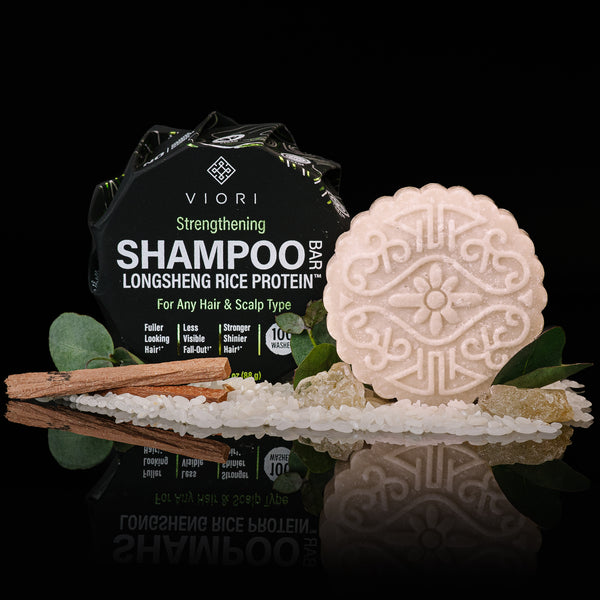
This is the most important thing to understand: your shampoo bar is not a bar of soap. It's something much smarter. Think of it as a concentrated, waterless version of a premium liquid shampoo. All the good stuff-the gentle cleansers, the nourishing butters, the signature ingredients like fermented rice water-are compressed into that solid form using plant-based binders. It's a stable, potent, and incredibly efficient package. So, when you try to liquefy it, you're not just melting soap; you're attempting a delicate act of reconstitution.
The Step-by-Step Transformation (Handle With Care)
If you're determined to experiment, here’s how to do it with the respect the formula deserves. This isn't a reckless hack; it's a careful process.
- Choose Your Champion: Start with an unscented or simple bar. The Native Essence bar is ideal for this, as its fragrance-free formula removes one complex variable.
- Gather Your Lab Tools: You'll need a fine grater, a clean glass bottle or jar, and-this is critical-distilled water. Tap water has minerals that can throw off the bar's perfect pH balance.
- The Gentle Process: Finely grate part of your bar. Aim for a ratio of about 1 part shavings to 3 parts warm (not hot!) distilled water. Combine them in your jar and stir. You'll see it transform into a cloudy, milky potion. Let it sit for a day or two, with occasional shaking. Patience is key.
The Non-Negotiable Red Flag: Preservation
Pay close attention, because this is the deal-breaker. That shampoo bar is preservative-free because it's a dry solid; bacteria can't grow without water. The second you add water, you create a playground for microbes.
- Your homemade liquid will have no preservative system.
- You must store it in the refrigerator.
- You must use it within 7-10 days.
This isn't a suggestion; it's a matter of safety. You cannot create a shelf-stable product at home without adding preservatives, which defeats the purpose of using a clean, natural bar.
So, Should You Actually Do This? A Stylist's Honest Take
Let's weigh the romantic idea against the reality.
The potential upsides: It satisfies format nostalgia and is a clever way to use every last crumb. It feels like a custom creation.
The significant downsides: The fridge requirement is awkward. The texture and scent might change. You might lose some of the cleansing benefits that come from the friction of lathering the bar directly. And perhaps the biggest irony: you're taking a zero-waste, plastic-free product and putting it into a bottle, stepping away from its core sustainable genius.
WHAT CUSTOMERS ARE SAYING
Real reviews for Rice Water Shampoo Bar – All Hair Types | VIORI
The Final Lather
Transforming your shampoo bar is a brilliant science experiment that reveals just how sophisticated these solid concentrates truly are. It teaches you about formulation, preservation, and the care that goes into your haircare.
But as a daily practice? It's often more trouble than it's worth. The bar, in its original, intended form, is a masterpiece of design-efficient, effective, and sustainable. Its beauty lies in its simplicity. Sometimes, the best ritual isn't about changing a product to fit our old habits, but about embracing a new, better one. So, give the experiment a try for the thrill of it! But know that the real magic is already there, solid in your hand, just waiting for water to set it free.


