
“Non-toxic shampoo bar” sounds like it should be a straightforward idea: swap the bottle for a bar, remove the bad stuff, and your hair magically gets healthier. I understand why that promise is appealing-most of us are trying to simplify, cut down on waste, and avoid ingredients we don’t feel great about.
But after two decades of working with real scalps and real hair (including color-treated, curly, fine, thick, oily, dry-you name it), I can tell you this: “non-toxic” isn’t a regulated, universal standard in haircare. It’s a direction. And if you want to choose a shampoo bar intelligently, you need to look at more than a label or a trending “free-from” list.
Here’s the angle that rarely gets discussed online: a shampoo bar can be “clean” by philosophy and still be harsh in practice if it repeatedly disrupts pH or creates excess friction on the hair fiber. That’s where great bars separate themselves from frustrating ones.
What “Non-Toxic” Should Mean in the Real World
In safety science, the conversation is never just “is this ingredient good or bad?” It’s about exposure: how much, how often, and how your body comes into contact with it.
NOT SURE WHICH PRODUCT IS RIGHT FOR YOU?
TAKE THE QUIZTakes 30 seconds · 134,000+ customers matched
With shampoo, the most relevant exposure routes are simple and practical:
- Scalp contact (repeated, over years)
- Eye contact risk (short, but sensitive tissue)
- Inhalation in a steamy shower (especially with fragrance)
- Incidental contact for kids (more common than people think)
So when I hear “non-toxic,” I translate it to something more useful: low irritation potential over time, lower allergy/sensitization risk, and less cumulative damage to both scalp and hair.
The Most Overlooked Variable: pH (and Why Hair Behaves Like a Mood Ring)
If you only take one technical point from this post, let it be this: pH can make or break your experience with a shampoo bar.
Your hair isn’t a smooth thread. It’s a layered structure. The outer cuticle is made of overlapping keratin scales-think shingles on a roof. When those shingles lie flat, hair feels smoother, looks shinier, and tangles less. When they lift, everything gets rougher.
Overly alkaline products can push the cuticle to lift and the hair fiber to swell. That can translate into frizz, dullness, tangles, and breakage that people often mislabel as a “detox phase.” Viori emphasizes that their bars are pH balanced, which matters because hair products generally perform best in a hair-friendly pH range (commonly referenced around 3.5-6.5).
And here’s why bars are their own category: they go through constant wet/dry cycles in your shower. Even with a stable formula, bar format can change how product deposits and rinses depending on how it’s stored and used. Bar chemistry is not just bottle chemistry in a different shape.
Sulfate-Free Isn’t a Personality Trait: Cleansing Mildness Comes Down to Surfactant Design
There’s a lot of internet advice that stops at “avoid sulfates.” It’s not totally wrong, but it’s incomplete. Cleansing gentleness is shaped by the type of surfactant, how it’s blended, and the overall formula balance.
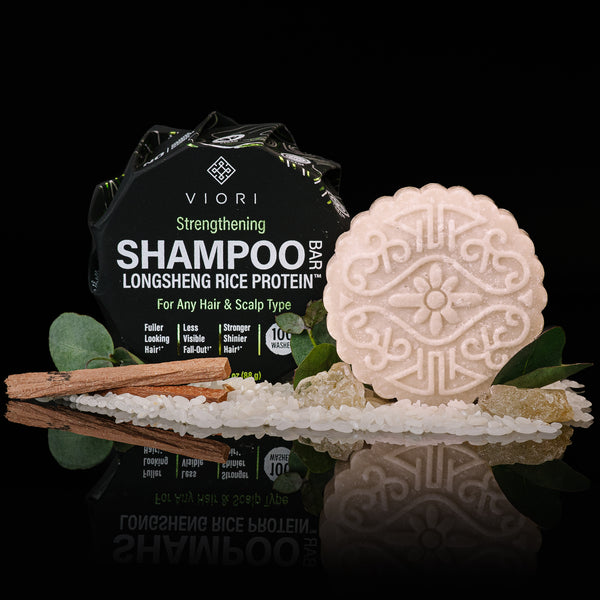
Viori uses Sodium Cocoyl Isethionate (SCI) as the cleanser in their shampoo bars. In formulation circles, SCI is often considered a milder cleanser when used well-effective enough to clean, without the same aggressive feel people associate with harsher detergents.
Viori also uses Behentrimonium Methosulfate (BTMS) in their bars. The name throws people off, but BTMS is widely used as a conditioning ingredient. Viori explains it’s commonly accepted in haircare as a sulfate-free conditioning component that helps with slip and can support cuticle behavior due to its cationic (positively charged) nature.
The “Non-Toxic” Topic People Tiptoe Around: Fragrance + Steam + Sensitization
If you’re trying to build a truly low-risk routine, fragrance is where things get nuanced fast. Not because fragrance is automatically “bad,” but because it’s one of the most common categories associated with sensitization-meaning your body can become reactive to it over time.
Shower steam doesn’t help. Warm water and humidity can make scent feel stronger and linger more, and for sensitive people that can mean headaches, irritation, or scalp discomfort.
Viori offers an unscented option-Native Essence-that’s specifically positioned for people who are sensitive to fragrance. From a professional standpoint, that’s significant because if someone wants the most conservative “non-toxic” approach, removing fragrance is one of the simplest ways to lower variables.
Residue Isn’t Just About Silicones: The Real Buildup Culprits
One of the most common client complaints I hear is, “This bar left my hair coated.” Here’s the thing: buildup isn’t one single problem. It can come from several places:
- Hard-water minerals clinging to the cuticle
- Styling product residue that isn’t fully removed
- Over-application (common with bars that soften in the shower)
- Heavy oils/butters layered on hair that doesn’t need them
- Poor rinsing technique, especially at the nape and behind the ears
Viori notes that many customers report their bars don’t weigh hair down or leave residue, and their bars are also silicone free. Still, technique and water quality are major players in whether hair feels light and clean or waxy and dull.
The Damage Pathway Nobody Calls “Toxic”: Friction
This is the part I wish more “non-toxic” conversations included: mechanical damage. If your hair is rough, tangly, or breaking, it doesn’t really matter that the ingredient list looks pretty-your hair is still paying a price.
Viori recommends creating lather in your hands and applying it through your hair with your palms rather than rubbing the bar directly on your head, which can help reduce friction. That advice is especially helpful if your hair is color-treated, fine, porous, or prone to tangling.
Direct bar-to-hair rubbing can create concentrated abrasion. Abrasion lifts the cuticle. A lifted cuticle tangles more. More tangles lead to more aggressive detangling. And that’s how “mystery breakage” starts.
WHAT CUSTOMERS ARE SAYING
Real reviews for Rice Water Shampoo Bar – All Hair Types | VIORI
Why Fermented Rice Water Is a Smart Performance Strategy (When It’s Done With Restraint)
Viori uses fermented Longsheng rice water and keeps the rice-water concentration lower because very high concentrations used too often can disrupt hair and scalp pH. That’s a mature formulation mindset: more isn’t always better.
They also explain that fermentation increases nutrients such as inositol (Vitamin B8) and panthenol (Vitamin B5), and the bars include other supportive ingredients like aloe vera and bamboo extract-ingredients often chosen for overall scalp comfort and hair feel.
Choosing a Viori Shampoo Bar Based on Scalp Behavior (Not Just Hair Length)
If you want better results, choose by what your scalp does, not what your hair looks like on day one. Viori offers guidance that can be summarized like this:
- Oily scalp (feels oily 1-2 days after washing): Viori typically recommends Citrus Yao, noting citrus/citric acid helps break down oil.
- Normal to dry scalp (oil shows up around day 3-4+): Viori often points to Terrace Garden, Hidden Waterfall, or Native Essence.
- Fragrance sensitivity or reactive scalp: Native Essence is the most conservative option.
- Oily scalp + dry ends: Many people do best using a more oil-managing shampoo at the scalp and a more moisturizing conditioner on the ends (Viori commonly suggests that mix-and-match approach).
How to Use a Shampoo Bar for the Best “Non-Toxic” Outcome
Yes, your technique matters. If you want the most scalp-friendly, cuticle-protective results, use this method:
- Soak hair thoroughly before you start-bars need water to create slip.
- Lather in your hands instead of scrubbing the bar directly on your scalp.
- Cleanse the scalp and let the suds rinse through the lengths.
- Condition mid-lengths to ends and let it sit for a couple minutes before rinsing.
- Rinse meticulously, especially at the nape and behind the ears.
Bottom Line: A Better Way to Define “Non-Toxic” Shampoo Bars
If you want a definition that actually holds up, a “non-toxic” shampoo bar should aim for:
- pH balance that supports scalp comfort and cuticle smoothness
- milder cleansing chemistry that cleans without the stripped rebound cycle
- lower sensitization options, including an unscented choice
- low-friction use that reduces mechanical damage
- consistent results without heavy residue
That’s the real goal: not perfection, not fear-based ingredient policing-just a routine that’s thoughtfully designed, realistically safe for frequent use, and genuinely kind to your scalp and hair over time.


